Photo courtesy of Liebherr
The Office of the United States Trade Representative (USTR), led by Jamieson Greer, has announced the initiation of investigations of 15 countries and the European Union to determine whether they “may be exporting their problems with excess capacity and production” to American markets.
In addition to the EU, the 15 nations identified by the agency are: Bangladesh, Cambodia, the People’s Republic of China, India, Indonesia, Japan, Korea (presumably South Korea), Malaysia, Mexico, Norway, Singapore, Switzerland, Taiwan, Thailand and Vietnam.
USTR says it will investigate under Section 301(b) of the Trade Act of 1974, a section relating to structural excess capacity and production in manufacturing sectors.
In addition to identifying specific nations, 21-page entry in the Federal Registry also refers to specific product categories, including aluminum, other nonferrous metals, paper, plastics, steel, automobiles, batteries, cement, chemicals, electronics, energy goods, glass, machine tools, machinery, processed food and beverages, robotics, satellites, semiconductors, ships, solar modules and transportation equipment.
“The investigations will determine whether those acts, policies and practices are unreasonable or discriminatory and burden or restrict U.S. commerce,” states the agency.
“The U.S. will no longer sacrifice its industrial base to other countries that may be exporting their problems with excess capacity and production to us,” says Greer. “Today’s investigations underscore President Trump’s commitment to reshore critical supply chains and create good-paying jobs for American workers across our manufacturing sectors.”
The investigations could lead the way to reimpose tariffs similar to those that were struck down by a Supreme Court ruling last month.
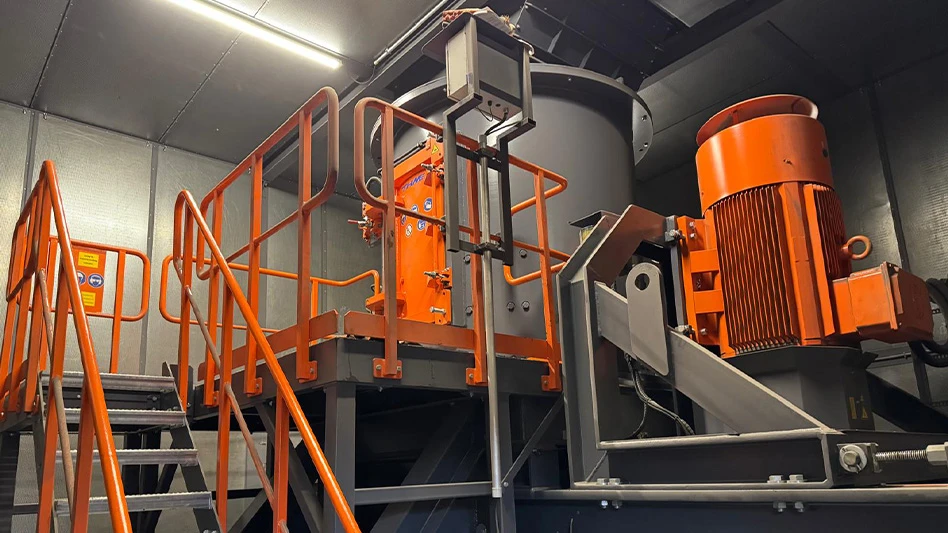
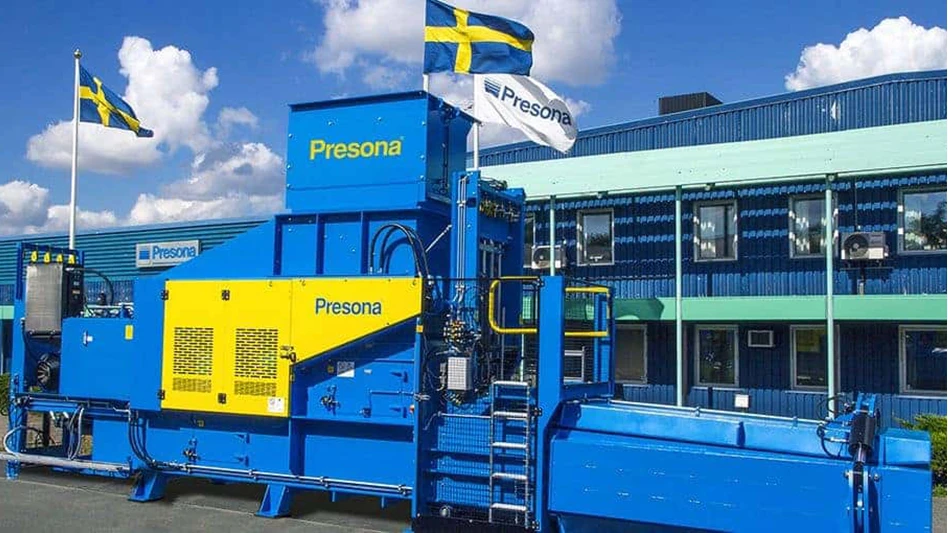
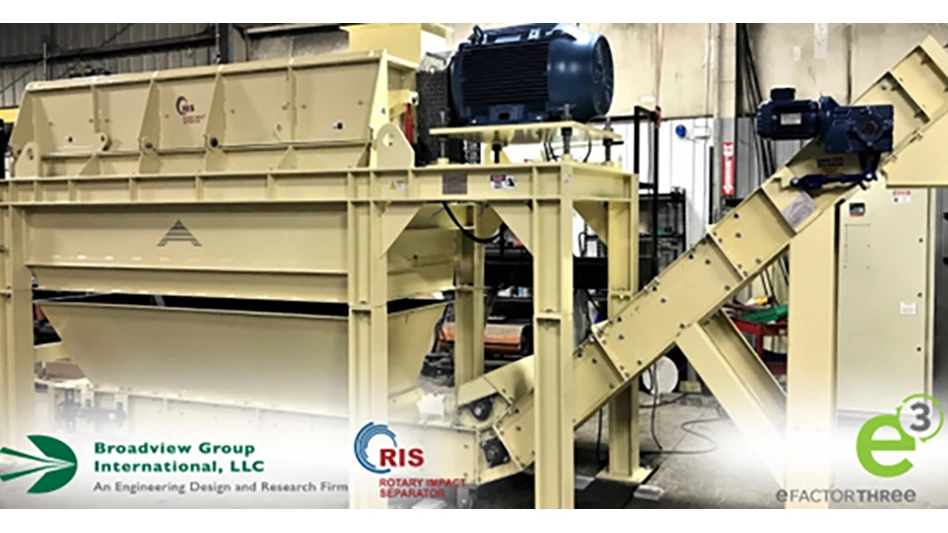
Among the tariffs halted by the court decision were those on items that contain tariffed steel and aluminum from overseas, which included material handling and processing equipment used by recyclers and demolition contractors.
The USTR announcement received a positive response from a group called the Alliance for American Manufacturing (AAM), based in Washington.
“Overcapacity is a serious problem; in some cases, such as Chinese autos and steel, it has wrecked economies and industries as well as cost jobs in America,” says Scott Paul of AAM, which describes itself as a not-for-profit group formed in 2007 by manufacturers and the United Steelworkers union.
Not all business organizations have been as supportive of the broad approach to tariffs taken by the administration of Donald J. Trump.
On its website, the Washington-based (NAM)—which claims 14,000 corporate members—posted a statement from its chief legal officer earlier this month regarding refunds of earlier tariffs, with Linda Kelly stating that “tariff refunds should be made available without additional litigation,” adding, “At the same time, the broader legal question of universal relief may eventually need to return to the Supreme Court.”
Last year, the Schaumburg, Illinois-based Associated Equipment Distributors (AED) trade group requested its members contact the offices of federal elected officials and urge them to “pressure the Trump administration to reconsider including construction and agriculture equipment and related supplies” included in an August White House expansion of Section 232 tariffs.
This week, Greer of the USTR has signaled the president continues to favor tariffs as a core part of his trade policy.
“The Trump Administration’s reindustrialization efforts continue to face significant challenges due to foreign economies’ structural excess capacity and production in manufacturing sectors,” says Greer.
“Across numerous sectors, many U.S. trading partners are producing more goods than they can consume domestically.,” he continues. “This overproduction displaces existing U.S. domestic production or prevents investment and expansion in U.S. manufacturing production that otherwise would have been brought online. In many sectors, the U.S. has lost substantial domestic production capacity or has fallen worryingly behind foreign competitors.”
Latest from Recycling Today
- Unilever criticized for plastics approach
- Electrified Materials adds processing capacity
- ERI files suit alleging theft of trade secrets
- Stretch film recycling program launches in California
- Baltimore trash collection expected to slow as WTE facility closes for maintenance
- FCC Environmental Services awarded collection contract in Florida
- Qatalum opts to scale down production
- Emirates Biotech joins Circle consortium to turn food waste into PLA