Recycling Today file photo
The Global Recycling Foundation is issuing a reminder about the value of discarded resources and their embedded energy to mark the start of COP30, the UN’s climate change conference in Brazil.
“Waste is a valuable currency," says Ranjit Baxi, founder of the Global Recycling Foundation, based in Brussels, and Global Recycling Day. "In time it will be more precious than land or oil because we are squandering the materials upon which the world is increasingly relying—copper, lithium, nickel and aluminum.
“While so many countries are content to export their waste in the name of recycling, the wise operators are capturing those scarce resources and will begin to demand a high price if we want to continue to drive our electric vehicles, expand our windfarms or use our smartphones.”
Baxi says precious minerals could become “weapons of power” as a result.
“China, once the factory of the world, has turned its focus inward—no longer satisfied with making cheap products, it now seeks to dominate the supply chains that sustain green technology," he says. "Through massive investment in recycling infrastructure and control over critical mineral processing, China is positioning itself not just as a manufacturer but as the gatekeeper of the future. While the West has embraced recycling, it is falling behind China in the most advanced systems and practices. It will surely cost us dearly in the very near future.”
Baxi says he first attended COP22 in 2016 in Morocco and pointed out the need for recycling to be part of the COP agenda. He says he has been reminding COP conferences ever since. Unfortunately, it has yet to happen, he adds.
“We continue to remind the powers that be of the need to recognise the immense contributions made by the recycling industries in helping to mitigate the climate crisis while recovering critical minerals,” Baxi says. “Why is it that an industry that saves billions of tons of carbon emissions, adds billions to global GDP [gross domestic product], employs millions providing green jobs and reduces methane emissions by reducing landfill waste is still not on the COP agenda?”
Research suggests that more than 148 million British pounds, or $193.3 million, of critical and precious materials reach recyclers each year, with most of the gold, silver and platinum being recovered overseas. It suggests that the U.K. alone is losing at least 13.64 million British pounds, or $17.8 million, of critical raw materials from the lack of advanced recovery technologies.
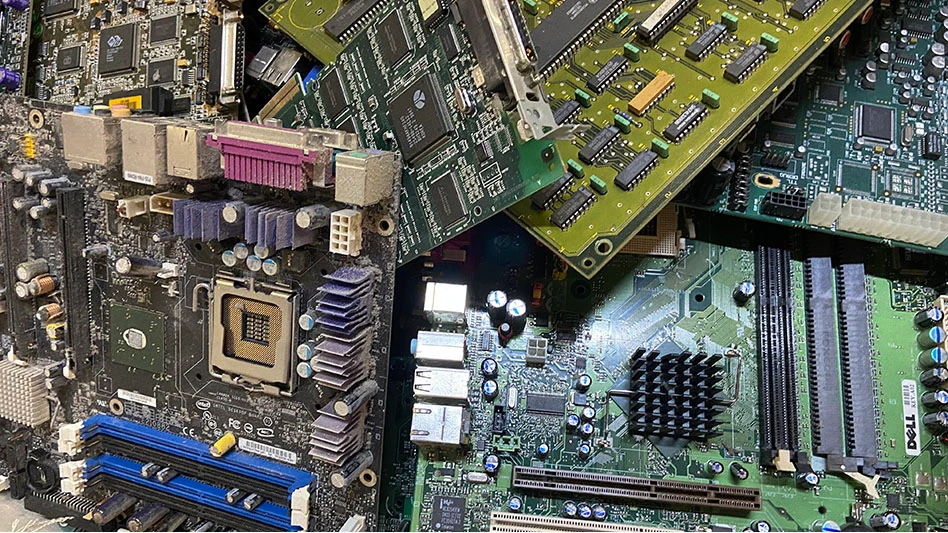
Most precious metals are lost through e-scrap, with approximately $91 billion worth of metals embedded in this material in 2022, according to the Global Recycling Foundation, with only $28 billion worth recovered. It is clear that recovering these materials from waste streams, or urban mining, can be more cost-effective and less environmentally damaging than traditional mining, the foundation says.
Climate change, bringing with it increasing floods, fires and tropical storms, is worsening. However, UN Secretary General Antonio Guterres acknowledged that it was inevitable that humanity would overshoot the Net Zero target of limiting the global temperature increase to 1.5 C enshrined in the Paris Agreement, leading to “devastating consequences.” In the meantime, few recognize the economic potential of sophisticated waste recycling operations, Baxi and the Global Recycling Foundation say.
The Global Recycling Foundation believes that the economic potential of sophisticated recycling technology is substantial, spanning direct financial gains, resource security and long-term sustainability advantages. The recycling technology market is projected to surpass $150–$200 billion by 2030, driven by urbanization; environmental, social and governance mandates; and resource scarcity. If we can reduce dependence on imported critical minerals (e.g., lithium, cobalt), recycled materials can protect industries against global raw material price volatility, the Global Recycling Foundation says.
Latest from Recycling Today
- Phoenix Technologies closes Ohio rPET facility
- EPA selects 2 governments in Pennsylvania to receive recycling, waste grants
- NWRA Florida Chapter announces 2025 Legislative Champion Awards
- Goldman Sachs Research: Copper prices to decline in 2026
- Tomra opens London RVM showroom
- Ball Corp. makes European investment
- Harbor Logistics adds business development executive
- Emerald Packaging replaces more than 1M pounds of virgin plastic