With organic waste currently making up nearly two-thirds of the waste stream in the United States, there is no better time than now to rethink how to manage it.
At the first Organics Recycling Conference (ORC), June 9-10 in Nashville, Tennessee, industry leaders, innovators and decision-makers come together to discover new and innovative methods for diverting more organic waste from landfills, determine which streams are the easiest or hardest to access and identify ways to take this material to its highest and best use.
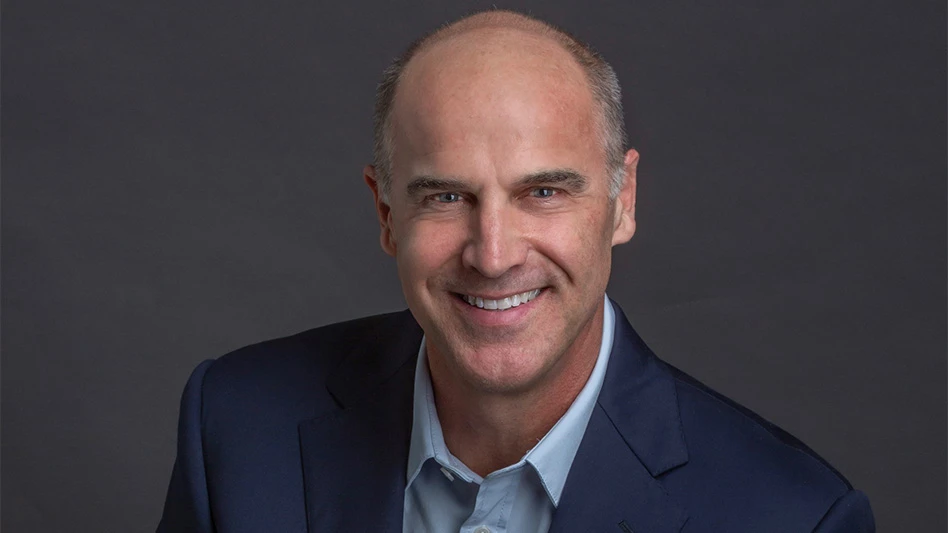
During the opening keynote June, Denali Chairman Andy McNeill will discuss how the organics diversion and recycling industry has grown and how it is likely to develop in the years to come.
Waste Today spoke with McNeill about the opening keynote and what attendees can expect to learn from this engaging and informative session.
Waste Today (WT): Tell us about the evolution of the organics diversion and recycling industry.
Andy McNeill (AM): Over the past few decades, several things have changed related to organics in the U.S. First, we continue to have landfill scarcity, and for the most part, close to100 percent of organics waste—specifically food—goes to landfills. This scarcity drives price and pushes certain materials out of landfills and into recycling streams. Second, corporations have adopted landfill diversion mandates, driven by either their customers or employees. Third, state governments have increasingly put in place legislation regarding materials that are recycled.
WT: How is technology changing the way organics are diverted and recycled?
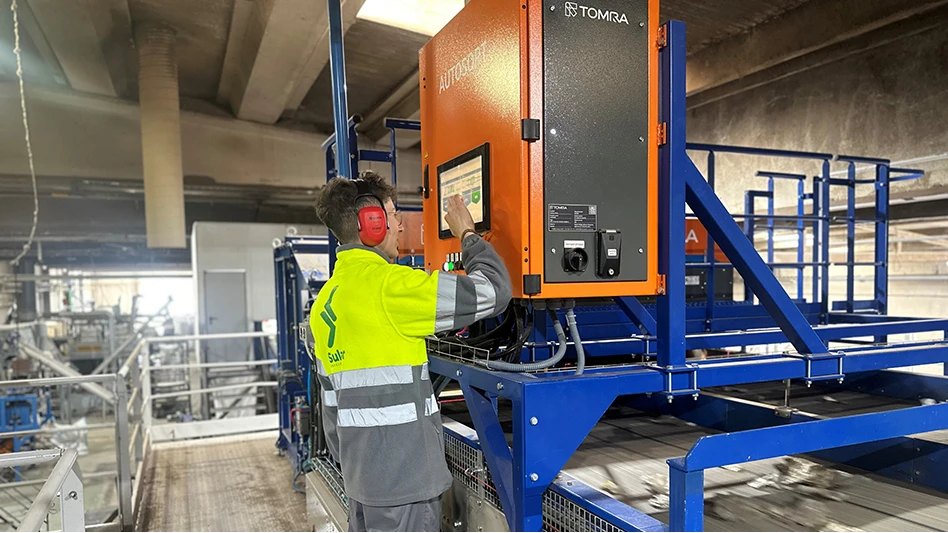
AM: There have been improvements in sortation/separating and depackaging technology, which have lowered the cost of separating organics from contamination (e.g., non-recyclable trash). There also have been more investments and changes in disposal and renewal technologies, such as converting crude oil into biodiesel.
WT: How has policy influenced the pace of organics diversion and recycling?
AM: The states that have made the most changes are generally blue states, which also tend to have greater landfill scarcity and a larger problem to deal with. The laws today are on the books but not yet in full force because the infrastructure is not in place to move and process the recyclables at scale, but that is changing quickly.
These policies represent a stair-step approach (i.e., generators with the greatest quantity of waste will be impacted first) toward full-circle recycling, with the last step being the consumer. They also reflect the growing public demand for recyclable waste to be recycled.
WT: How are corporate sustainability commitments reshaping the organics recycling landscape?
AM: Companies often set broad mandates, such as targets for the percentage of waste they divert, and are generally pretty good at measuring their sustainability performance, so they know when to spike the ball. Often, it is corporations leading the way as they ultimately seek to both manage costs and recycle waste they generate. As such, many of the corporations leading the industry, such as Walmart, are driven by corporate-generated initiatives, not legislation-generated initiatives.
WT: From your vantage point at Denali, what trends are you seeing in generator participation—from grocery chains to food manufacturers?
AM: The grocery store industry really led the way because it deals with perishable food waste on store shelves. It started with fruit and vegetable waste and eventually expanded to include deli items, out-of-date products and frozen food. Once one grocery store began working with a hauler to reduce organic waste, it incentivized others to follow suit and provided opportunities for other institutions that generate food waste, such as schools, hospitals, prisons, convention centers and casinos. These programs typically start small and then scale up as they gain momentum and support.
WT: How important are end markets—such as compost, food to feed and renewable energy—to the long-term stability of the industry?
AM: These end markets are important assets, just like landfills, and they are dependent on location. For example, in Florida, there is a significant amount of yard and green waste and a higher likelihood of having a composing facility nearby. That would likely not be the case in western Kansas, so the options would be different. In the Northeastern U.S., where there is less farmland, there are more renewable energy facilities.
WT: What role do partnerships across the value chain play in strengthening organics recycling systems?
AM: I think partnerships are important, especially for larger organizations that have multiple sites, more at stake and more ways to be creative. For example, a stadium hosting the Super Bowl would likely want everyone to know that 100 percent of the materials used at the event are recyclable—from foodservice ware to organics. Multiple partners would be needed to manage the different waste streams effectively.
For small businesses, the approach would be different because they are limited by scale, available partners and local options. So, in many ways, larger organizations are leading the way and setting an example for others, smaller businesses are beginning to explore possibilities and consumers are testing the water with at-home composting. Maybe in the future it will be commonplace to have a composter next to the dishwasher. It is not just about being green; it is about being more responsible in what you produce.
To make organics recycling work at scale in the future, collaboration among generators, processors, end users and consumers is crucial. Once a process is up and running, it will stick and be difficult to undo, making a real difference for the environment.
WT: What ongoing challenges does the industry still need to overcome?
AM: The industry’s biggest challenge is separating true organic waste from contaminated material such as cardboard, plastic, metal and glass, which is both costly and challenging.
Additionally, “organic waste” can mean different things to different people, but organics generally are materials that can be renewed or recycled for beneficial use. In other words, organics serve a higher purpose than being thrown in a landfill.
Organics range from food waste, including agricultural byproducts and used cooking oil, to sewage sludge, animal waste and more. All these materials can generally be consumed by animals or plants or converted into energy.
WT: What do you hope attendees take away from your keynote at ORC?
AM: I hope attendees feel the excitement in the industry. Whether you are an investor, operator or generator, it is an exciting time to be in the industry because we are in the first inning and there is so much more that needs to be played out.
There are opportunities galore—from collecting, processing and separating organic waste to building facilities. It is not yet a mature industry, but that is what makes it an attractive place to be.
It is similar to being in the middle of the rise of artificial intelligence, a time where something has the potential to change the world. In our industry, there is less fanfare and worries about “The Terminator,” but we are also working to change the world for the better.
Latest from Recycling Today
- CEPI says recycling sector ready for ‘Made in Europe’ policy
- BCA system handles brass ammunition casings
- Nucor guidance points to profitable Q1
- Plastic Energy, TotalEnergies start up chemical recycling plant near Paris
- Sierra International Machinery adds to sales team
- How2Recycle appoints new director
- Cox Automotive celebrates EV battery recycling milestone
- ILMA files lawsuit challenging Colorado’s EPR law