According to a Washington Post article, the trend toward single-stream recycling and larger curbside collection bins has made the recycling stream “increasingly polluted and less valuable, imperiling the economics of the whole system.”
Falling global commodity prices and the rise of lightweight packaging have exacerbated the situation.
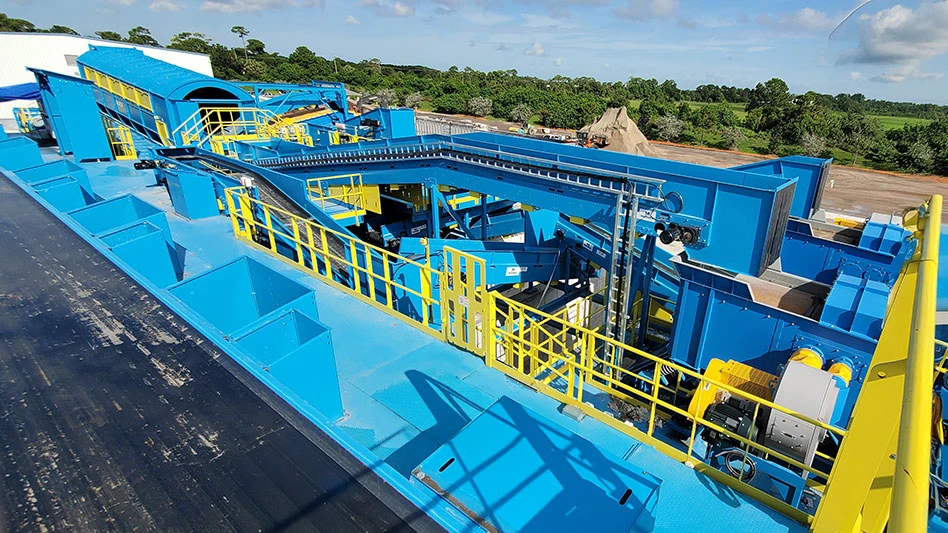
The article says the District of Columbia and Baltimore are among the cities that have helped to support the Waste Management (WM) material recovery facility (MRF) in Elkridge, Maryland, though the MRF is still losing money. “In fact, almost every facility like it in the country is running in the red,” the Washington Post reports. “And Waste Management and other recyclers say that more than 2,000 municipalities nationwide are paying to dispose of their recyclables instead of the other way around.”
The article quotes David Steiner, CEO of WM, Houston, as saying, “If people feel that recycling is important—and I think they do, increasingly—then we are talking about a nationwide crisis.”
WM’s recycling division saw a loss of nearly $16 million in the first quarter of 2015 and has shut nearly one in 10 of its biggest MRFs, the Washington Post reports, adding that Steiner said more of its plants may be shuttered in the next 12 months.
However, some environmentalists wonder if the cyclical decline in the industry is being overstated, according to the article, which quotes Eric Goldstein of the Natural Resources Defense Council, New York City: “If you look at the long-term trends, there is no doubt that the markets for most recyclables have matured and that the economics of recycling, although it varies, has generally been moving in the right direction.”
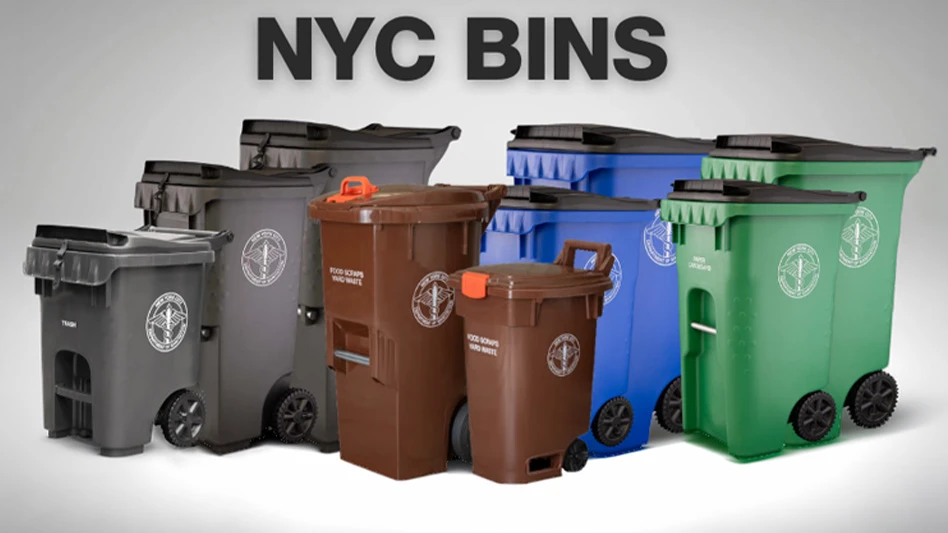
While single-stream recycling was presented as a way to increase the amount of recyclables diverted from landfill, it may be having a detrimental effect on the process, according to the article, in that residents are putting nonrecyclable items in their bins. The Washington Post quotes Hallie Clemm, deputy administrator for the District of Columbia’s solid waste management division, as saying “residue jumped a ton” when the city transition to 32-gallon bins in 2014.
An audit by WM in the fall of 2014 found that the city’s portion of the profits for recyclables declined by more than 50 percent as a result of contamination, according to the article.
The city is paying $63 per ton to process recyclables through WM’s Elkridge MRF, or 24 percent more than if it incinerated the material in Virginia, the Washington Post adds.
That changing nature of the postconsumer recycling stream also contributes to the factors affecting recycling programs and MRF operators, according to Washington Post article, which quotes Patty Moore of Moore Recycling Associates, Sonoma, California: “We’ve seen economic downturns in the value of material in the past, but what’s different now is that the material mix has changed. The problem is, to get the same value out of your scrap, you have to shove a whole lost more material through the facility. That was fine when scrap values were high, but when they dropped, we realized it’s expensive to push all of this lightweight stuff through, and we’re in trouble.”
Brent Bell, WM vice president of recycling, told the Washington Post that the company was starting to talk with cities about carrying more of the financial effect of falling commodity prices, while Steinert said, “We won’t stay in the industry if we can’t make a profit.”
Latest from Recycling Today
- Greenwave raises revenue but loses money in Q2 2025
- Recycled steel prices hold steady
- EY says India’s need for scrap imports will continue
- Coming full circle
- Amcor, DCM introduce fertilizer packaging with 35 percent recycled content
- Comstock Metals gets closer to commissioning commercial-scale solar panel recycling facility
- Washington selects Circular Action Alliance as PRO
- Smurfit Westrock expands in Latin America