Викентий Елизаров | stock.adobe.com
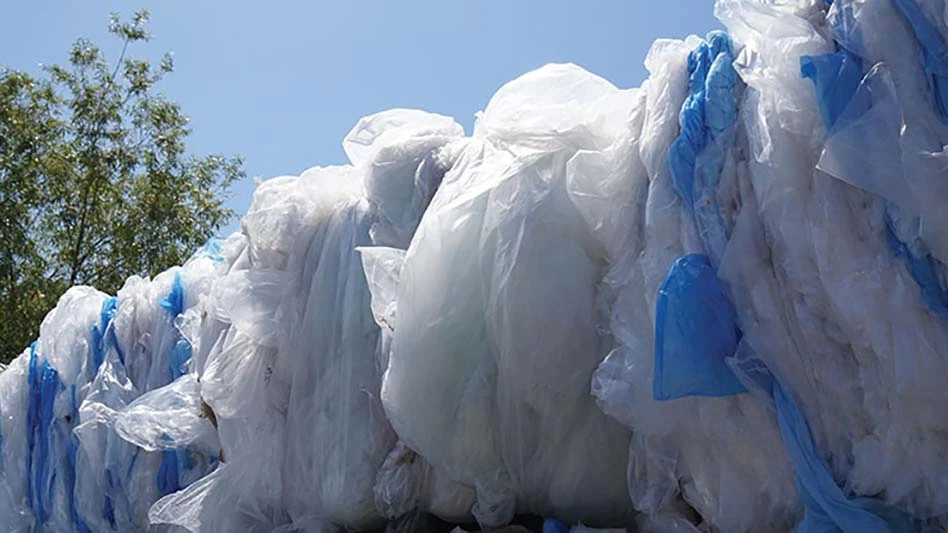
The U.S. Plastics Pact (USPP) has released "Journey to Film & Flex Circularity: A Framework of Necessary Design, Collection, and End Market Levers," a paper outlining what it calls “practical, system-level actions” needed to advance the circularity of film and flexible plastic packaging in the United States.
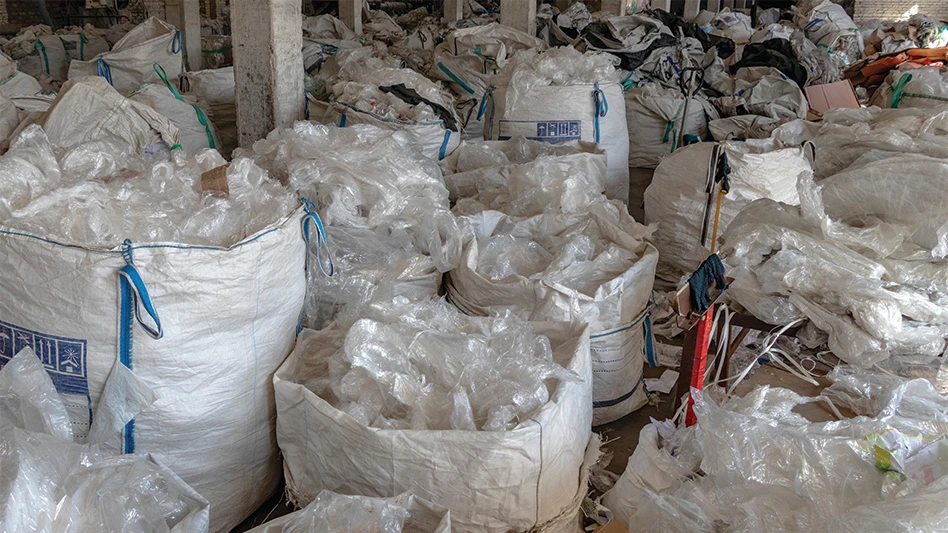
According to USPP, film and flexible packaging play an essential role in protecting products, extending shelf life and delivering goods to consumers in a cost-effective way. At the same time, the organization says the lightweight nature and complex multimaterial designs common to many film packages create collection, sorting and recycling challenges at scale.
USPP says its new framework tackles those issues and offers a pragmatic, actionable path forward grounded in current infrastructure, economics and market conditions.
“Film and flexible packaging are critical to how products move through our economy, and that means solving for their circularity is both necessary and complex,” USPP Interim Executive Director Crystal Bayliss says. “This framework reflects the real work happening across the system today and provides a clear, shared path forward.”
While the paper primarily focuses on improving the recycling outcomes for film, USPP says it is clear in its framing: efforts to reduce packaging and scale reuse should be prioritized first, consistent with the waste hierarchy. Where recycling is pursued, the paper emphasizes that progress depends on addressing the full system—not just one part of it.
USPP says a central finding described in the paper is that end market development is the most critical lever for change, and collecting more material without strong, reliable demand for recycled film risks shifting material without delivering real circular outcomes.
The paper also reinforces that there is no single, universal solution for film collection. Instead, it claims successful strategies will vary based on community size, infrastructure, policy context and local market dynamics. The paper points out the need for multiple collection approaches alongside continued circular redesign, and includes specific calls to action for packaging manufacturers, packaging users and policymakers.
Together, USPP says these actions are intended to help galvanize the innovation, investment and policy alignment needed to move film and flexible packaging toward circularity.
“This workstream brought together and extraordinary range of expertise from municipalities and MRF [material recovery facility] operators to brands, film suppliers and recyclers,” Bayliss says. “By pairing that on-the-ground experience with insights from outside collection experts, we were able to clearly identify where the gaps are, and which solutions are most likely to work in specific settings. The result is a practical framework rooted in real-world conditions.”
Keya Peterson, vice president of strategy and sustainability at global packaging producer Amcor PLC, says, “As a global packaging leader, we’re committed to providing more sustainable flexible packaging solutions that help advance circularity and keep packaging waste out of the environment. The USPP’s framework provides clear guidance that can help producers and users of flexible packaging further that goal.”
Peter Adrian, recycling coordinator at the Solid Waste Agency of Lake County (SWALCO), Illinois, says plastic film presents real challenges for existing curbside collection and sorting systems, and those challenges can’t be ignored.
“What’s valuable about this framework is that it acknowledges those constraints and offers practical guidance—on design, end markets and a range of collection options—rather than promoting a one-size-fits-all solution that doesn’t work in practice.”
Latest from Recycling Today
- Amcor says Q2 performance in line with ’26 expectations
- Aduro Clean Technologies achieves operational milestone for NGP pilot plant
- Fires, tariffs reduce Novelis’ earnings
- Murphy Tractor partners with Humdinger Equipment
- Shapiro announces promotion
- Carton recycling scrutinized in California
- SACO AEI Polymers recognized for sustainability practices
- ArcelorMittal says France EAF remains on track