A new factory that turns used wine bottles into green sand could revolutionize the recycling industry and help to filter the United Kingdom’s drinking water. For the last 100 years special high grade white sand quarried at Leighton Buzzard in Bedfordshire, UK, has been used to filter tap water to remove bacteria and impurities - but this may no longer be necessary.
The green sand has already been successfully tested by water companies and is being used in 50 swimming pools in Scotland to keep the water clean.
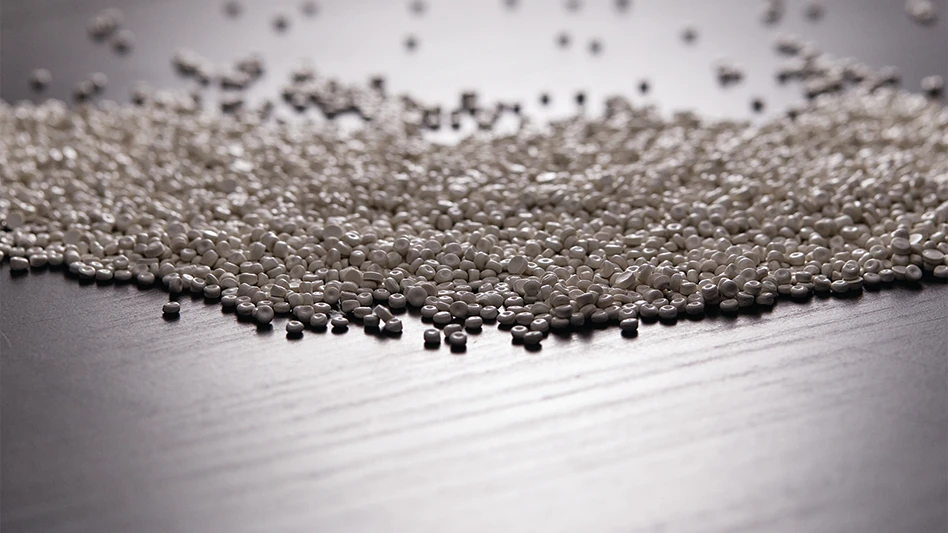
Backed by around $1.7 million from the European Union and the Department for Environment, Food and Rural Affairs, a company based in Scotland is building a factory to turn beverage bottles back into the sand from which they were made.
The idea is not only to avoid using up increasingly scarce sand and avoid any further quarrying but also to solve a crisis in the recycling industry. The UK uses 5.5 million tons of glass a year but recycles only 750,000 metric tons of it.
The problem is that half the glass is green from imported wine and beer bottles; green bottle glass is worth slightly more than $25 per metric ton because of the surplus. Clear glass, which is melted down and used for whisky bottles, mainly for export, is worth double that amount.
Howard Dryden, the scientist and managing director of the company, Dryden Aqua, of Bonnyrigg, near Edinburgh, has spent six years working on what he calls Active Filtration Media, or AFM. He concedes that he has given what is basically recycled glass a "fancy name" to remove the stigma of what most people would regard as an inferior product. He says he needs bottles that have already contained drinkable liquids to be sure that drinking water would not be contaminated.
"The fact is that tests show that AFM does the job better than glass, it is easier to clean and reuse and has all sorts of properties that make it ideal for other applications," he claimed.
The factory is designed to produced 100 metric tons of AFM a day, although Dryden regards this as a large-scale pilot project rather than full production. He thinks the market will be able to take 250,000 metric tons of green sand a year.
The plan is to build five or six factories in cities in the UK where the bottles come from to cut down on transport.
The factory will be completed this month and is expected to go into full production on January 14 next year. Once it is providing a "regular" product, the government's drinking water inspectorate will be asked to perform tests and approve it for general use by water companies.
A Defra spokesman said it was hoped that AFM could meet approval within six months. The only problem that it could forsee was possible metal contamination if some glass came from sources other than beverage bottles.
Andy Dawe, the glass recycling specialist with the government-funded agency, the Waste and Resources Action Programme (Wrap), said: "We have high hopes of a market for this glass for filtering drinking water, sewage, industrial water, swimming pools and fish farming. And that is just in Britain; we think there is an export market too.
"Current estimates of the UK market are between 175,000 to 217,000 metric tons a year, using up most of the glass available."
"There are a great number of applications involving cleaning up water. Currently, AFM costs £400 ($US687)a metric ton, about four times as much as good quality sand, but that is because we have not got large- scale production. Obviously, when we get going it will cost a lot less, and be competitive with sand in price," Dryden said.
"I believe it performs better and lasts longer than sand so it is going to be better value too."
If AFM takes off as a product it will be a big boost for Wrap, which is charged with finding a market for recycled products. Crushed glass is already being used in road surfacing and making tiles and bricks but AFM could prove to have a widespread use and give green glass a cash value. The Guardian (UK)
Latest from Recycling Today
- U.S. Aluminum Co. explores aluminum fabrication plant in Oklahoma
- Sonoco completes portfolio transformation
- Eriez Shred1 data demonstrates scalable copper control
- RCI selects CurbWaste as exclusive operational management platform
- Updated: Supreme Court strikes down IEEPA tariffs
- Recycling Today Media Group launches Scrap Expo Lunch & Learn Webinar Series
- LyondellBasell scales back recycling target
- Former Liberty UK mills eyed by 3 suitors