Recycling Today archives
A coalition of steelmakers and metal recycling companies in the United Kingdom have published a report urging the U.K. government to address a business climate where they say it is it is currently cheaper to export scrap and import steel products than to process the scrap and make steel domestically.
The Circular Steel Sub-Committee of the London-based UK Steel lists 13 corporate members endorsing its new report titled “Circular Steel: Strengthening the U.K.’s Industrial Supply Chain.”
Among those companies are steelmakers Tata Steel UK, Marcegaglia and 7 Steel UK (formerly Celsa) and metals recycling firms EMR Ltd., S. Norton Group, John Lawrie Metals, Robertson Metals Recycling, Ward Recycling and Unimetals Ltd. (which currently is facing liquidation).
“The U.K.’s steel scrap resource is one of our greatest industrial assets, but the policy framework that drives the market has not kept pace with the shift to low-CO2 production,” says Jacob Hayler, Chair of the Circular Steel Sub-Committee. “The U.K. has the scrap, the skills and the ambition to be a global leader in circular steel; what we need now is coordinated policy leadership to align with national climate, industrial and competitiveness objectives."
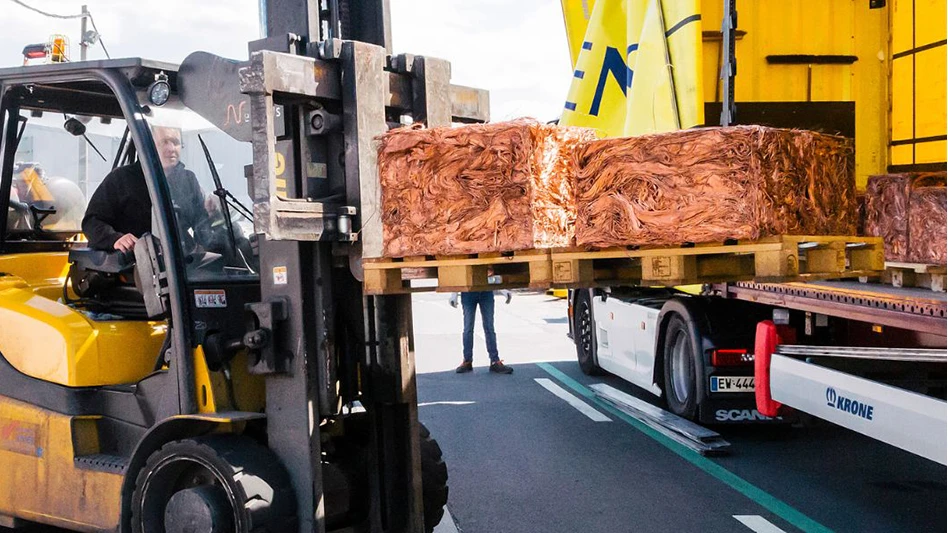
According to UK Steel, the U.K. has an abundance of readily available steel scrap, producing approximately 10 million metric tons annually, but notes that, currently, more than 80 percent of recycled steel generated in the U.K. is being exported.
“Much of that material then returns to the U.K. in the form of finished goods, undercutting domestic processors and manufacturers and exporting jobs and emissions," UK Steel says.
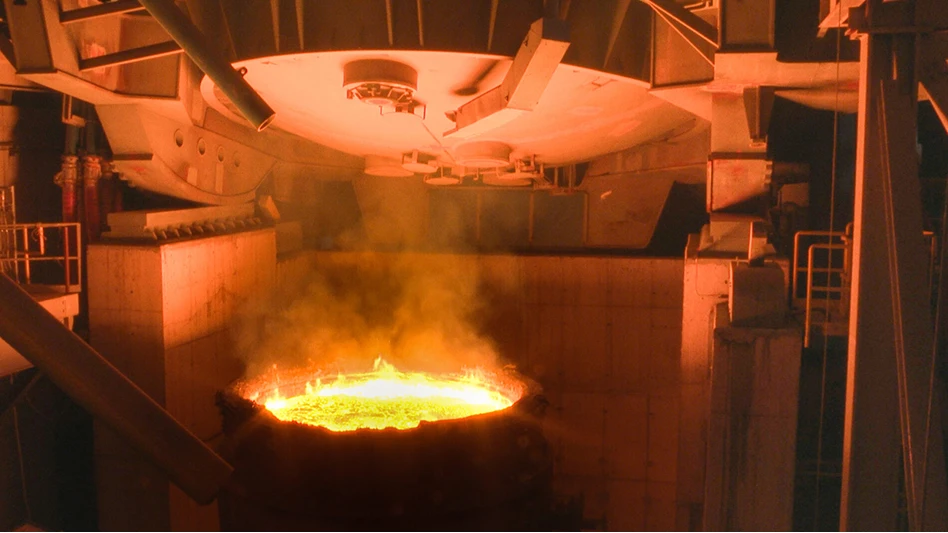
The organization points to the absence of large-scale, scrap-intensive, electric arc furnace (EAF) steel production in the U.K. that has prevented a strong domestic market for recycled steel from fully developing.
This decade, however, EAF capacity in the U.K. is poised to increase thanks to an investment by Tata Steel and, ideally, firmer financial footing for mill assets formerly operated by Celsa Steel, Liberty Steel and British Steel.
“As the U.K. transitions to EAF technology, high-quality domestic steel scrap will become the cornerstone of low-carbon steel production,” UK Steel says, noting that reform is needed before the U.K. risks outsourcing jobs, economic value and emissions to its global competitors.
Structural challenges identified in the report include insufficient domestic processing capacity and high industrial energy costs plus inconsistent quality and enforcement standards across the metals recycling supply chain. To address those issues, the Circular Steel Sub-Committee recommends an industry-led code of standards designed to enhance quality assurance and traceability and to lay the groundwork for future national standards.
The report recommends U.K. officials support investments in domestic scrap processing infrastructure, such as shredding, screening and refining, to meet EAF-grade standards, such as those that will be required at the EAF mill in Port Talbot, Wales, under construction by Tata Steel.
“The U.K.’s shift to EAF production is a once-in-a-generation opportunity to revitalize U.K. steelmaking and drive long-term industrial growth,” says Rajesh Nair, CEO of Tata Steel UK and chair of UK Steel. “A circular materials strategy, backed by smart policy, will help position the U.K. as a leader in the global circular steel economy.”
Another recommendation involves modernizing regulatory oversight, including unified licensing and inspections for recyclers. That policy might also help address what UK Steel says are cost disparities between domestic and export markets.
UK Steel also says including recyclers in an existing British Industrial Competitiveness Scheme designed to reduce energy costs also could be helpful.
“Recycling is the backbone of EAF steelmaking, but the system must evolve to meet the needs of a modern, low-carbon economy," S. Norton Group Managing Director Tony Hayer says. "With the right policies on energy pricing, regulation, and infrastructure investment, we can build a competitive domestic recycling base that keeps value, jobs and carbon savings in the U.K.”
“At 7 Steel, we’ve built our business around EAF technology for over two decades," 7-Steel UK CEO Carles Rovira adds. "It’s not just a transition, it’s our foundation. But, to realize its full potential, we need a resilient domestic steel scrap supply chain supported by government policy embedding a joined-up circular materials approach.”
Latest from Recycling Today
- CMRA selects Vietnam for 2026 event
- Steel Dynamics foresees profitable Q1
- AF&PA joins NAW lawsuit in Oregon
- California’s ‘Truth in Labeling’ law faces federal suit
- Fayetteville, Arkansas, adopts new cart-based recycling program
- Google purchases carbon removal credits generated by Amp’s organic waste processing
- FTR forecasts toughening conditions for shippers
- The trends shaping MRF design