The report, entitled Survey of Applications, Markets & Growth Opportunities for Recycled Plastics in the UK, details the results of a study conducted by Enviros based on surveys covering the plastics reprocessing and manufacturing sectors. Identifying 142 companies in the post-use plastics chain, processing 218,346 metric tons of plastic waste a year, the study found that waste packaging accounts for almost all the post-use plastics recycled in the UK and six polymer types make up more than 90 percent of the annual tonnage.
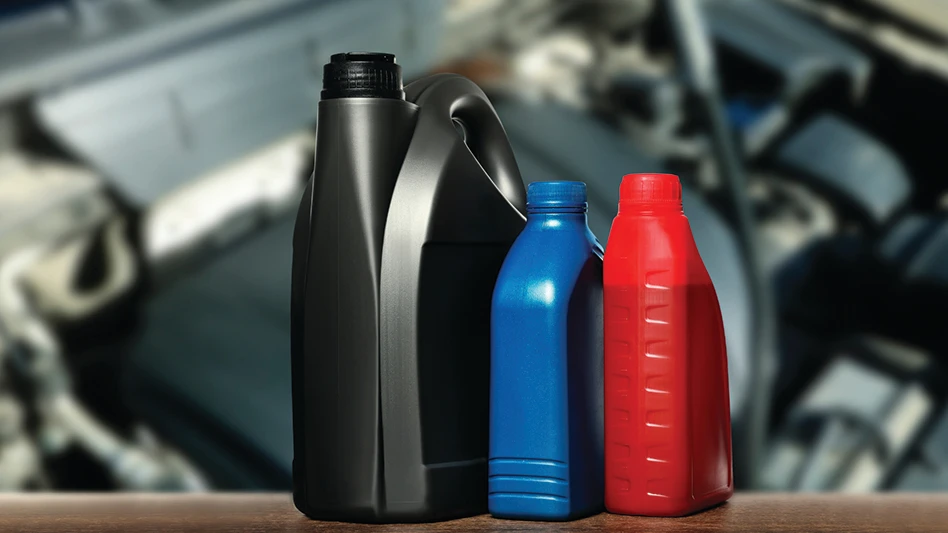
For long-term growth, PET and HDPE, both of which are sourced to a large degree from post-consumer plastic bottles, show the greatest potential. Currently, the recycling levels for both these two polymers are low and a significant proportion of the PET and HDPE recyclate used in the UK is sourced from abroad. Although higher targets for recycling packaging waste under the Producer Responsibility regulations are likely to assist recovery levels in the future, reprocessing capacity will have to keep pace if this is to translate into real growth.
“One of the main opportunities for the recycling sector is the production of good quality PET recyclate for higher value applications,” says Paul Davidson, WRAP’s Material Sector manager for Plastics. “In the manufacture of industrial strapping, for example, UK produced recyclate could potentially replace all foreign imports and a proportion of virgin polymer by up to 80 percent of total production, representing an additional 8,000 metric tons a year.”
In addition, the report makes several recommendations to assist in raising the UK’s plastics recycling levels. These include the development of performance-based standards that will encourage the replacement of virgin polymers with recyclate, particularly in pipe manufacture and in the automotive sector. Education and awareness raising work is also needed to challenge the conservative attitude of some potential customers and improve the economic viability of plastics recycling by encouraging local collection to meet local demand.
Highlighting the ongoing difficulty in sourcing reliable and consistent plastics recycling data, the report also attempts to reconcile the tonnages of recycled plastic packaging waste reported to the Environment Agency through the PRN system and the amount actually recycled. Given the significant discrepancies found, the results support the widely held view of reprocessors that auditing procedures for the sector are not stringent enough to deter the problem of wrongful issue of PRNs.
The new report joins a number of other WRAP studies on plastics recycling, providing all those involved in the sector with a comprehensive information resource.
Latest from Recycling Today
- Environmental groups urge Indonesia to return e-scrap shipments
- Foodservice Packaging Institute opens applications for 2026 foam recycling grant program
- Worn Again Technologies unveils Accelerator plant to advance polycotton recycling
- Nashville Waste Services launches new digital route system
- Arconic expands in Iowa
- Cascades invests $6.9M in recycled boxboard plant
- Ocean freight interruptions poised to continue
- Danieli to supply shredder to Australian company