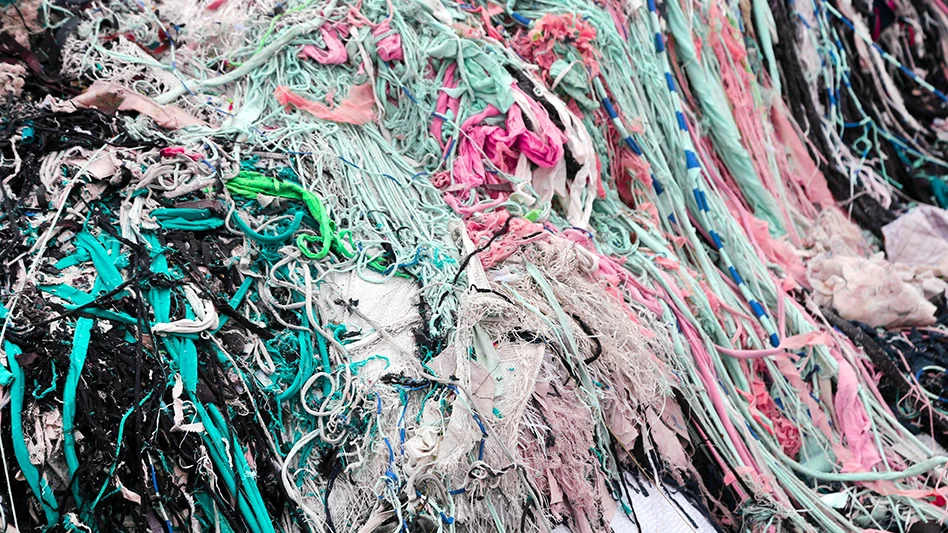
Closed Loop Recycling (CLR), a United Kingdom-based recycler of HDPE (high-density polytheylene) plastics, is reportedly teetering on the brink of entering administration (the U.K. version of bankruptcy protection) because of a combination of low oil prices and a drop in demand for its product from grocers in the country.
According to an article in The Guardian, Britain’s biggest recycler of plastic milk bottles is facing possible collapse after being squeezed between a slump in global oil prices and a supermarket price war.
The Guardian writes that in late 2014 and early 2015 prices for recycled plastics have declined by close to 40 percent.
In a statement following the release of the article, Chris Dow, CEO of CLR, says a number of government and environmental groups, as well as representatives of the supply chain, were discussing solutions that could stabilize the recycled plastic market and provide for the long-term sustainability of recycled HDPE.
“This will also ensure the future of our plant and provide a profitable business model for future investors,” says Dow.
“We also know the British consumer is committed to using recycled plastic, as a You Gov survey earlier this week showed that 68 percent of British adults supported a price increase of a tenth of a penny on a two-pint plastic milk bottle to secure the future of the industry. We are the most vulnerable part of the supply chain, yet [we] are shouldering all of the risk. Surely a tenth of a penny is small price for the retailers and dairies to pay to show commitment to their own environmental policy and save thousands of green jobs and the future of the circular economy.”
Weighing in on the challenge confronting CLR and the overall plastics recycling industry, the British Plastics Federation’s Recycling Group (BPF RG) has called for urgent reforms in the packaging recovering note (PRN) system “before more U.K. recyclers become victims of the current market failure affecting members such as CLR.”
Reductions in oil and commodity polymer prices, coupled with strong demand from overseas buyers of plastic scrap, have undermined confidence in the U.K. plastics recycling industry, putting jobs and economic security at risk, the BPF RG says.
“BPF RG believes that the current situation could have been avoided had the U.K. government taken decisive action and implemented the proposals it published last year in its manifesto,” a statement from the group says. “The proposals focused on identifying drivers to achieve a sustainable future for the plastics recycling sector by introducing two fundamental changes in the PRN system.”
The first is a split on the plastics packaging recycling targets that distinguishes recycling in the local market (the U.K. and EU) from that which is exported outside Europe. This would be achieved through the existing PRN mechanism, leading to a progressive weighting toward increased local recycling year on year.
The second relates to an “offset” proposal, which calls for a modification to the producer responsibility framework to encourage retailers and brand owners to increase the use of recycled polymers.
In the case of CLR, the BPF RG says that had a PRN offset model been adopted, the dairy sector and retailers would have thought twice before switching back to virgin and losing their relief from what is a hugely unpredictable cost under producer responsibility obligations. Moreover, had the split target escalator been adopted, CLR would be in an increasingly strong position to compete against overseas demand for plastic scrap bottles.
Roger Baynham, chairman of the BPF RG, says, “We have effectively reached a fork in the road. Do nothing, accept that the U.K. recycling sector will struggle to compete with global low-cost economies and become increasingly dependent on such markets for our [scrap] or implement changes that can deliver successful and investable long-term recycling businesses [that] create green U.K. jobs as part of a sustainable circular economy. Events at CLR show this is a decision that can no longer be ducked."
Latest from Recycling Today
- U.S. Aluminum Co. explores aluminum fabrication plant in Oklahoma
- Sonoco completes portfolio transformation
- Eriez Shred1 data demonstrates scalable copper control
- RCI selects CurbWaste as exclusive operational management platform
- Updated: Supreme Court strikes down IEEPA tariffs
- Recycling Today Media Group launches Scrap Expo Lunch & Learn Webinar Series
- LyondellBasell scales back recycling target
- Former Liberty UK mills eyed by 3 suitors