The Environmental Agency, a United Kingdom agency has fined Becciss International Plc., a UK-based firm, 11,000 pounds for attempting to ship curbside recyclable waste in a container to India. However, according to the EA, the company did not have permission from either the UK or India to ship the material.
Along with a fine for the company, the company’s director was fined for the offense. The company and director both pled guilty of the offenses.
Environment Agency officers discovered the shipment during a ports check in March 2004. The check was to identify any illegal exports of waste contrary to the rules of the Transfrontier Shipment of Waste Regulations 1994.
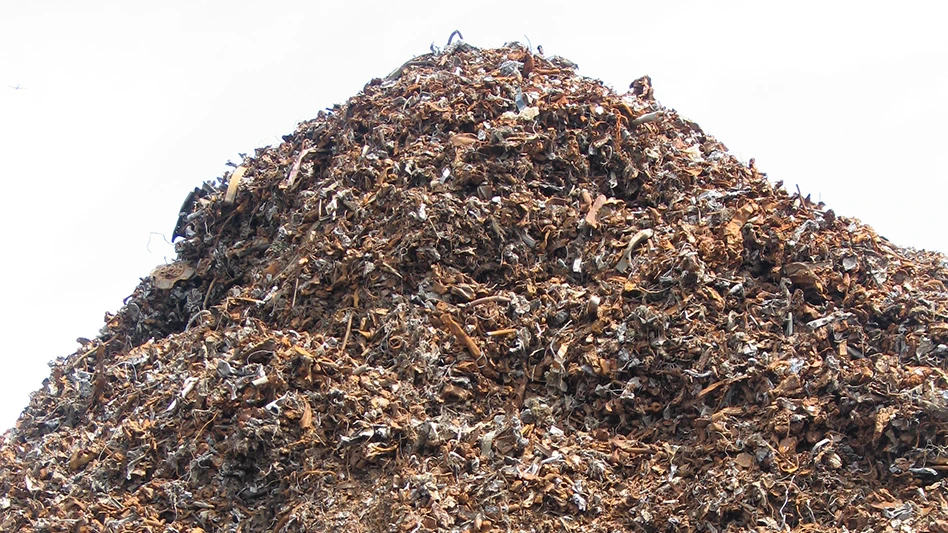
The container which was checked had been declared to HM Customs and Excise as containing paper and was destined for shipment to India. But when it was opened there was a mixture of waste inside and apart from paper, there was also plastics, wood, metals and textiles contaminated by food waste.
On further investigations by the Environment Agency it was discovered that waste recycling company Jackdaw Recycling Ltd had lawfully arranged to collect mixed recyclable waste from a curbside collection program arranged by Boston Borough Council, Lincs to pass to waste brokers Materials Recovery Ltdt
Materials Recovery purchased the waste on behalf of Parmir Rai and Beccis International, who had expressed an interest in buying waste for export.
Jackdaw Recycling described the commingled waste which left Boston to go to Materials Recovery as ‘consisting of newspaper, magazines, plastics including plastic bottles, cans, cardboard and textiles’.
In fact they took photographs of each container as it was being loaded to show that the right material had been loaded and the material was classed as ‘co-mingled’.
Four containers were collected from Jackdaw Recycling in Skegness by agents for Rai and Becciss International and three of them were shipped to Nhava Sheva, India from Felixstowe. Paperwork from the agent and from the shipping company refer to the waste as ‘waste paper – unsorted mixed waste’.
Rai told Environment Agency investigating officers that he believed that what he was sending to India was mostly paper with the odd amount of textiles included. The Environment Agency did not accept that he was justified in thinking that.
He said his client in India was expecting to receive commingled waste and that they would separate the contents and recycle them.
The Environment Agency said the offences amounted to a ‘deliberate or reckless breach of the law rather than a carelessness.’
‘The defendants appear to have exported waste to India without any confirmation that the waste will be processed in an environmentally sound manner.’
The ports check was part of a European Network for the Implementation and Enforcement of Environmental Law Seaports Project.
Latest from Recycling Today
- Waste Pro files brief supporting pause of FMCSA CDL eligibility rule
- Kuraray America receives APR design recognition for EVOH barrier resin
- Tire Industry Project publishes end-of-life tire management guide
- Des Moines project utilizes recycled wind turbine blades
- Charter Next Generation joins US Flexible Film Initiative
- Vecoplan to present modular solutions at IFAT 2026
- Terex Ecotec appoints Bradley Equipment as Texas distributor
- Greenwave raises revenue but loses money in Q2 2025