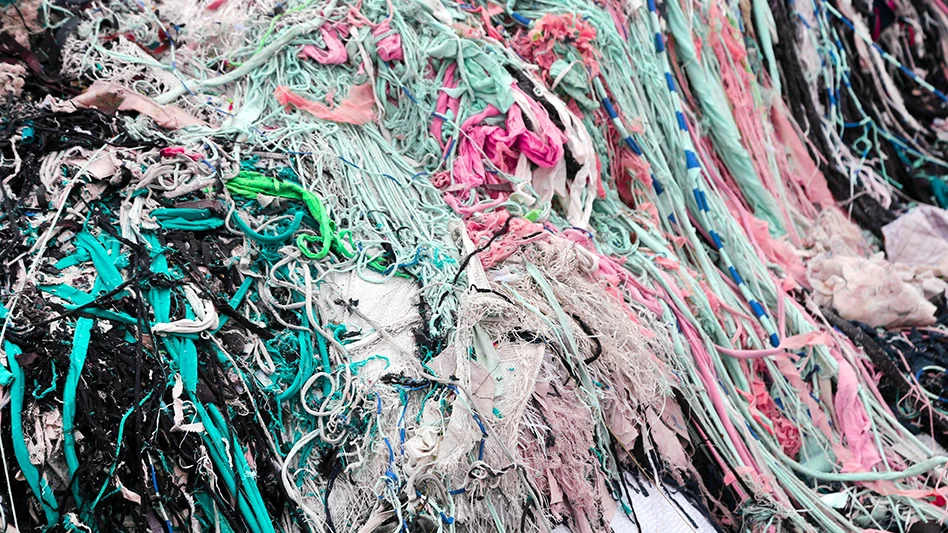
A new study by the environmental research group Trucost, London, commissioned by the American Chemistry Council (ACC), Washington, D.C., finds that the environmental cost of using plastics in consumer goods and packaging is nearly four times less than it would be if plastics were replaced with alternative materials.
The Trucost study based its findings on natural capital accounting methods, which measure and value environmental impacts such as consumption of natural water and emissions to air, land and water, which are not typically factored into traditional financial accounting.
The study, titled Plastics and Sustainability: A Valuation of Environmental Benefits, Costs, and Opportunities for Continuous Improvement, builds on earlier research by comparing the environmental costs of using plastics to alternative materials and identifying opportunities to help lower the environmental costs of using plastics in consumer goods and packaging.
“Although alternative materials such as glass, tin, aluminum and paper are viable alternatives to plastic in many consumer goods applications, they have higher environmental costs in the quantities needed to replace plastic. Trucost estimates that substituting plastic in consumer products and packaging with alternatives that perform the same function would increase environmental costs from $139 billion to a total of $533 billion. In most cases the environmental cost per kilogram of alternative material is less than that of plastic. However, on average over four times more alternative material is needed (by weight) to perform the same function.
For example, a typical plastic soft drink bottle contains 30 grams of plastic. But if replaced by a weighted average mix of alternative materials currently used in the market, an equivalent capacity bottle would require 141 grams of alternative materials such as glass, tin or aluminum in the United States. Extrapolating to the entire consumer goods sector, more than 342 million metric tons of alternative material would be needed to replace the 84 million metric tons of plastic used in consumer products and packaging in 2015.
The study also concluded that the environmental costs of alternative materials can be lower per ton of production, but are greater in aggregate due to the much larger quantities of material needed to fulfill the same purposes as plastics.
In addition, the report’s authors recommend steps to help further reduce plastics’ overall environmental costs, such as by increasing the use of lower-carbon electricity in plastics production, adopting lower-emission transport modes, developing even more efficient plastic packaging and increasing recycling and energy conversion of post-use plastics to help curb ocean litter and conserve resources.
“We are very excited to present Plastics and Sustainability, the largest natural capital study ever conducted for the plastics manufacturing sector,” says Libby Bernick, senior vice president North America for Trucost. “This report provides the clearest picture to date of the relative costs and benefits of plastics compared to alternative materials as well as important opportunities to enhance the environmental performance of using plastics in consumer goods.”
“We now have a fuller picture of the environmental benefits of using plastics,” notes Steve Russell, vice president of plastics for the ACC, which commissioned the study. “From lighter, more fuel-efficient cars to smart packaging that helps our favorite foods last longer, our industry is committed to ongoing innovations that will advance sustainability across major market sectors and the globe.”
"Now is an exciting time for plastics and for sustainability. Emerging economies around the world are creating opportunities for more people to have access to health and hygiene products, good nutrition and the things that help us get more out of life. Making smart choices about what we produce and how we produce it will benefit people and the planet,” Russell adds.
“By leading in innovation and performance, the world’s plastics industry has demonstrated its ongoing commitment to help create a more sustainable future,” says Jeff Wooster, global sustainability director for Dow Packaging and Specialty Plastics and chair of ACC’s Packaging Team. “This report provides a new tool to explore opportunities to further enhance plastics’ environmental performance with brand owners, shippers, recyclers and other value chain partners.”
Latest from Recycling Today
- U.S. Aluminum Co. explores aluminum fabrication plant in Oklahoma
- Sonoco completes portfolio transformation
- Eriez Shred1 data demonstrates scalable copper control
- RCI selects CurbWaste as exclusive operational management platform
- Updated: Supreme Court strikes down IEEPA tariffs
- Recycling Today Media Group launches Scrap Expo Lunch & Learn Webinar Series
- LyondellBasell scales back recycling target
- Former Liberty UK mills eyed by 3 suitors