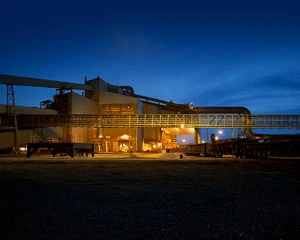
The Timken Co., Canton, Ohio, reports that in 2010, it recycled 1.6 million tons of ferrous scrap into steel. Timken steel is made from nearly 100 percent recycled content, the company says, which includes 350,000 tons of recycled scrap metal from Timken’s operations.
"Timken makes a positive impact on the world, not only because of the types of products we make, but how we make them," says Alan Oberster, vice president of environmental, health and safety. "Our steelmaking process is a great example of this. We create value by making products the world needs, and, by making our steel out of scrap, we conserve natural resources while putting mountains of waste to good use."
The company, founded in 1899, says its technology base has expanded and its portfolio now includes specialty steel alloys engineered for performance in machinery and a full complement of power transmission components and systems.
Other efforts Timken has made to reduce energy and waste in its operations in 2010 include:
• In 2010, Timken diverted 20,350 tons of electric-arc furnace dust from landfills, capturing and recycling the dust byproduct of the company's steelmaking process. Timken's steel manufacturing relies on electric technology that is an alternative to blast-furnace or basic oxygen-furnace (BOF) methods.
•
• The company continuously invests in technologies that reduce the amount of electricity needed to produce its steel. Timken has cut the amount of energy needed to produce steel ingots by 27 percent since 1990.
•
• At its Canton, Ohio-based steel facilities, Timken recycles 30 million gallons of wastewater each day through a closed-loop recycling process.
Latest from Recycling Today
- U.S. Aluminum Co. explores aluminum fabrication plant in Oklahoma
- Sonoco completes portfolio transformation
- Eriez Shred1 data demonstrates scalable copper control
- RCI selects CurbWaste as exclusive operational management platform
- Updated: Supreme Court strikes down IEEPA tariffs
- Recycling Today Media Group launches Scrap Expo Lunch & Learn Webinar Series
- LyondellBasell scales back recycling target
- Former Liberty UK mills eyed by 3 suitors