Photo courtesy The Recycling Partnership
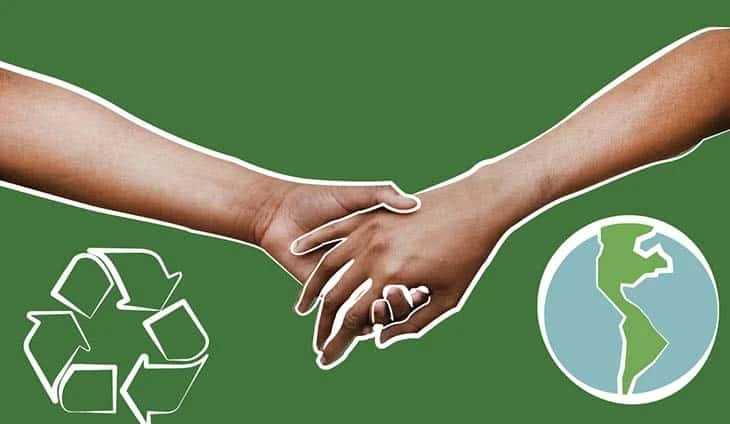
The Recycling Partnership, Falls Church, Virginia, has released a free toolkit and resources for community organizers to increase recycling in their communities. The resources are part of America Recycles Week, which begins Nov. 15, and are available to view online.
According to The Recycling Partnership, there has been an increased awareness of recycling as a valuable and essential service. The U.S. supply chain also has seen increased demand for recycled materials to support American manufacturing of new products and packaging. To continue the momentum recycling has picked up, The Recycling Partnership released these resources.
“We know time is valuable for community recycling coordinators and our goal continues to be finding unique ways to meet communities where they are with the resources they need,” says Craig Wittig, director of community programs at The Recycling Partnership. “As we’ve previously opened our resources to thousands of communities, we wanted these to be front and center for programs during America Recycles Week, for programs planning for 2022 and all year long.”
Wittig says coordinators need to overcome four main challenges when educating their communities about recycling: the belief that there is a lack of recycling access, confusion about what can be recycled, increasing participation in recycling programs and labor issues. He says labor issues ultimately affect how recycling initiatives are executed.
The toolkit includes guides on how to build an education campaign, how to make signs of accepted recyclables and research around behavior change. It also has guides on multifamily recycling and what to do with batteries and personal electronics at end of life. The goals of the toolkit are to highlight recycling behaviors, provide best recycling practices and how to design successful recycling programs in a community.
“Our tools utilize educational techniques that are clear and concise and deliver that message in a fashion that residents can understand,” Wittig says.
The toolkit also has a social media package that coordinators can use to increase awareness of community recycling. The toolkit has recycling graphics and prewritten messages with hashtags that coordinators can use to accompany them. It also offers a guide on designing a successful social campaign by showing how people understand recycling instructions.
“All of our direct-to-consumer work is rooted in behavior change from cart packets to cart tags and the behavior stage gates of access, education and engagement,” Wittig says. “We have years of data from our Feet on the Street cart-tagging recycling education program with best practices in messaging to address contamination plus consumer insights on different materials, multicultural audiences, messages, barriers and motivators.”
Last year, one of the main issues recycling faced was not having enough labor as residential recycling tonnage increased. However, Wittig says COVID-19 played a role in growing domestic markets for multiple recyclables in the United States. It also accelerated the abundance of old corrugated containers generated through e-commerce, he adds.
While the toolkit and resources were launched as part of America Recycles Week, they will be available anytime for free on The Recycling Partnership’s website.
Latest from Recycling Today
- Tire Industry Project publishes end-of-life tire management guide
- Des Moines project utilizes recycled wind turbine blades
- Charter Next Generation joins US Flexible Film Initiative
- Vecoplan to present modular solutions at IFAT 2026
- Terex Ecotec appoints Bradley Equipment as Texas distributor
- Greenwave raises revenue but loses money in Q2 2025
- Recycled steel prices hold steady
- EY says India’s need for scrap imports will continue