Recycling Today archives
A recycled materials import and export sector that had begun to recover from disruption caused by militant attacks on cargo vessels earlier this decade faces a new shut down of those same trade routes because of conflict in the Middle East.
The earlier attacks on and threats against shipping in the Red Sea area were caused by Houthi rebels in Yemen that were funded by the government of Iran.
At the end of February, Israel and the U.S. attacked Iran with missiles and aerial bombardment. Iran has responded in part by declaring it will not allow freight shipments through the Strait of Hormuz.
That body of water separates Iran from the Arabian Peninsula and is along a sea freight route that connects Europe and the Middle East with the Indian subcontinent and other parts of Asia.
The financial press has concentrated on the disruption to trade in oil and other energy products, with the price of oil rising swiftly following the attacks and the Iranian announcement.
Buyers and sellers of recyclable metals and recovered paper in Europe, the Middle East and Asia also will be affected by the conflict, scrambling to book cargoes on longer routes or redirect them to other destinations.
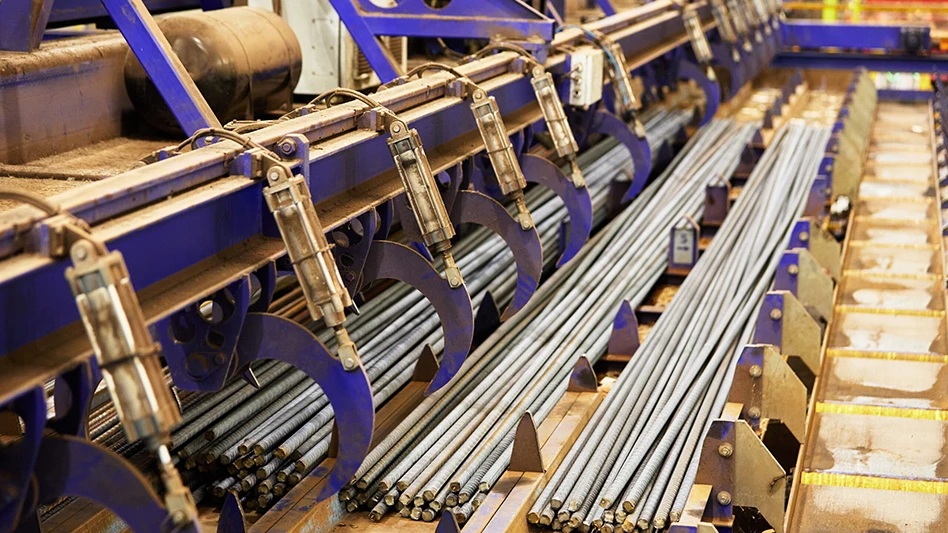
A prolonged closure of the Strait of Hormuz also is poised to have an effect on the recycled-content Turkish steelmaking sector. Rolling mills in Turkey at times use steel slabs and billets made in Asia rather than ferrous scrap, and in some cases they send their finished product to buyers on the other side of the strait.
Atilla Widnell of Singapore-based Navigate Commodities, in an early March LinkedIn post, estimates Turkish rolling mills take in about 300,000 metric tons of semi-finished steel from Asia annually.
The absence of such arrivals and a potential need for more recycled-content steel made in Turkish melt shops “should provide firmer support to the pricing floor for ferrous scrap,” writes the commodities tracking executive.
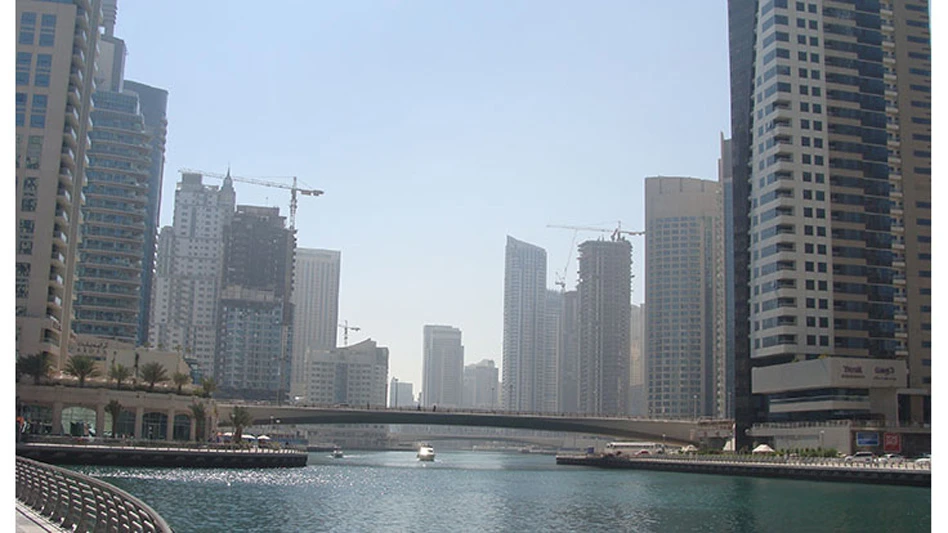
Of regional concern, says Widnell, some 1.7 million metric tons of exported United Arab Emirates (UAE) ferrous scrap bound for India and Pakistan will temporarily be without its traditional end market.
The UAE and its neighbors on the Arabian Peninsula also send considerable volumes of aluminum, copper, stainless steel and paperboard scrap to India and other nations that lie beyond the Strait of Hormuz.
An early March update from global shipping line operator Maersk confirms that particular trade route is a victim of the military confrontation.
“Effective immediately, we are suspending all new bookings between the India Subcontinent (India, Pakistan, Bangladesh and Sri Lanka) and the Upper Gulf markets of UAE, Bahrain, Qatar, Iraq, Kuwait and Saudi Arabia (Dammam and Jubail only),” writes the Denmark-based shipping company.
Adds Maersk, “We are closely monitoring the evolving situation in the Middle East [and] as conditions develop, we are taking proactive measures to protect our people, safety, safeguard cargo integrity and maintain the stability of our network.”
Latest from Recycling Today
- Valis sponsors ReMA's Women in Recycling Council
- PaintCare touts early recycling program milestones in Illinois
- PyroGenesis claims primary testing success with battery recycler
- Landbell USA to serve as PRO under California’s textile EPR law
- Copper analyst Gross: Have expectations exceeded reality?
- Stainless steel output rises in 2025
- Industrial Netting: We’ve got you covered with Car-Go-Net
- Frequently asked questions about Industrial Netting’s Car-Go-Net