South Korea plans to lower import duties on some key imports of raw materials including non-ferrous metals and grains to help ease the pain for industry caused by rising prices and short supplies, officials said, according to a report by Reuters.
A fast recovery in major economies on top of a continued boom in China has led to a sharp rise in demand and prices for key industrial materials and shipping costs, putting a heavy burden on resource-poor countries such as South Korea.
"We have asked the finance ministry to cut tariffs for non-ferrous metal imports, while the agriculture ministry has requested a reduction for grains," a commerce ministry official said, adding that details of the tariffs changes would be available later this month.
The government is planning to lower tariffs on eight items including nickel ingots, ferro-nickel and ferro-silicon by around three percentage points, according to local media.
Local industries, noticeably small manufacturers, have been suffering from shortages in materials, such as electrolytic copper, lead, nickel and aluminum, and the government planned to expand supplies of those materials from stocks, officials said.
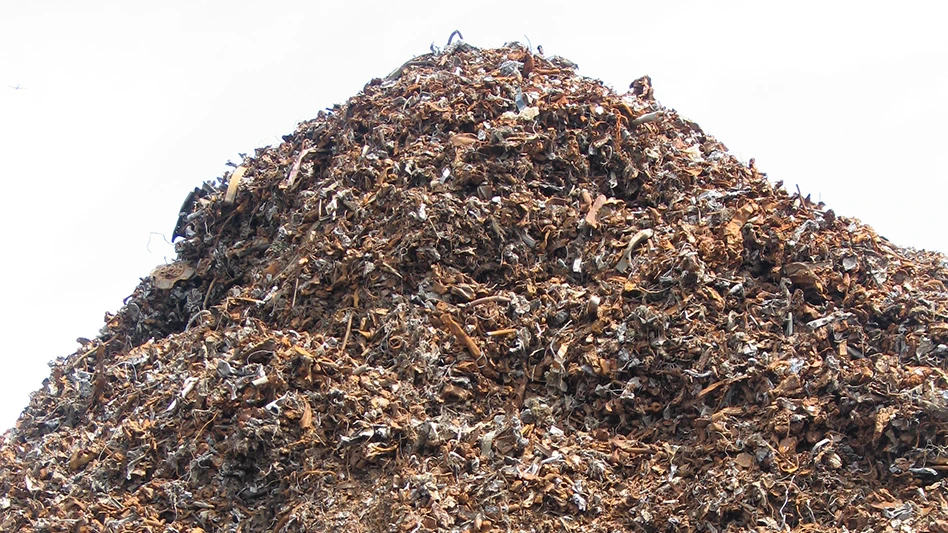
Authorities also intended to crack down on speculative stock-piling of metal scrap, they said.
With some small South Korean manufacturers facing production stoppages because of tight non-ferrous metal supplies, the state-run procurement agency has raised its release of stocks.
"The government has expanded by 80 percent an original plan to release state controlled stocks of materials such as electrolytic copper, nickel and aluminum of which small- and medium-sized firms face tight supply," a statement from the Public Procurement Service.
The PPS since the beginning of this month raised its monthly average stock release to a combined 30,600 metric tons for nickel, aluminum, electrolytic copper and other metals from its original plan of 17,230 metric tons, it said.
The PPS said the total accounted for about 30 percent of small manufacturers' metal demand, with the price of the metal released about two to three percent lower than market prices.
Alongside bigger stock releases, the PPS said it would also buy more non-ferrous metals.
"To cope with an emergency such as protracted supply shortages, we will additionally build stocks for the long run."
The government had also decided to provide slightly more than $43.18 million in loans to small companies suffering from short supplies, the commerce ministry said in a statement.
The commerce ministry said rising raw materials prices could push up wholesale prices and hurt profits at companies, but played down any direct impact on local consumer prices, which were more directly influenced by farm produce. Reuters
Latest from Recycling Today
- Ocean freight interruptions poised to continue
- Danieli to supply shredder to Australian company
- Equipment from the former Alton Steel to be auctioned
- Novelis resumes operations in Greensboro, Georgia
- Interchange 360 to operate alternative collection program under Washington’s RRA
- Waste Pro files brief supporting pause of FMCSA CDL eligibility rule
- Kuraray America receives APR design recognition for EVOH barrier resin
- Tire Industry Project publishes end-of-life tire management guide