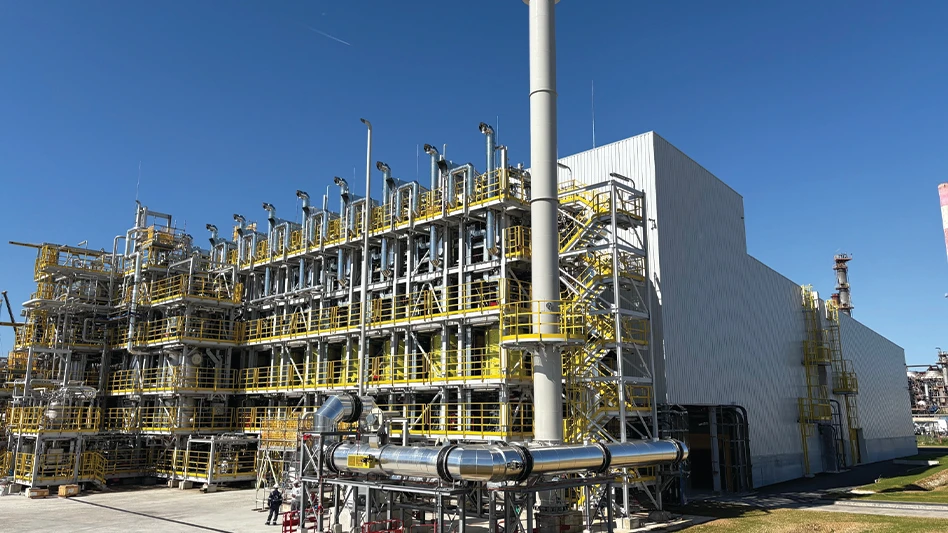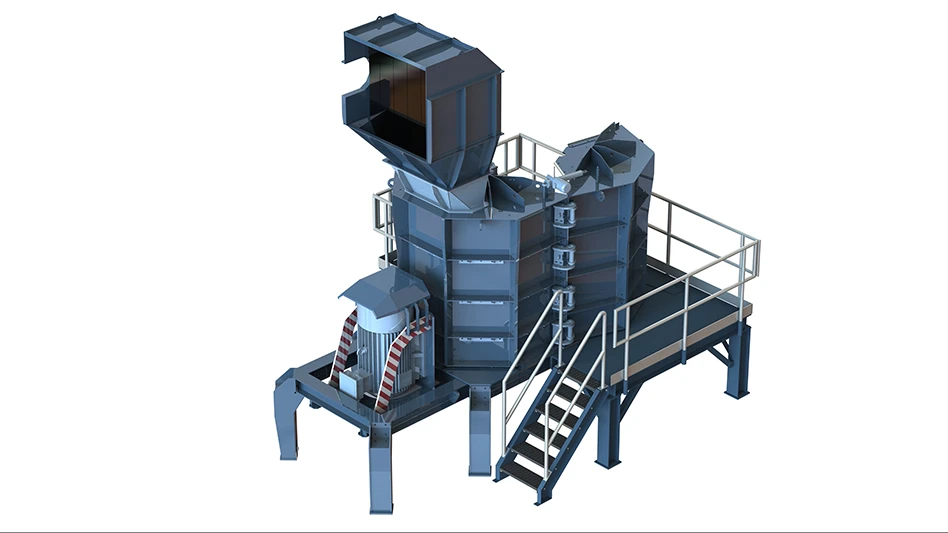
Image courtesy of Sicon GmbH
Germany-based Sicon GmbH has introduced a recycling system called EcoShred Wiretec for the European market, which it says offers a cost-effective method of processing and recycling insulated copper wire (ICW) derived from the auto shredder residue (ASR) stream.
“The processing of cables separated from shredder residue—whether from the light or heavy fraction—can be challenging,” says Sicon, which has for more than two decades provided equipment and technology to help sort and upgrade shredded metals from ASR streams.
Depending on the upstream separation technology, ICW can be heavily contaminated with dirt and other metallic impurities, says Sicon.
“This leads to unpredictable costs and potential damage during knife-based shredding processes,” adds the company.
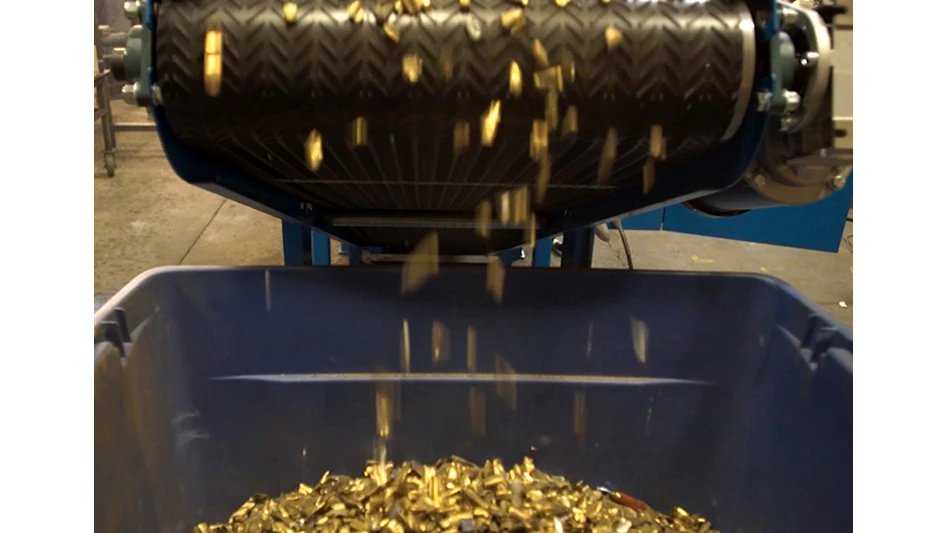
The company also says complete separation of copper and aluminum from insulation is only successful after the metals have been formed into balls (nuggetizing), which typically requires an additional machine in most systems, sometimes in the form of a turbo mill.
Sicon’s EcoShred Wiretec uses a vertical hammer mill whose hammers can be used on all four edges.
“In a single pass, across five grinding levels, it enables: effective liberation of nonferrous metals and insulation, nuggetizing of nonferrous metals, and magnetization of stainless steel components for further separation," the company says, adding that the design of the Wiretec allows it to operate with extremely low wear and can help it avoid issues associated with some other blade technologies.
In addition to ICW materials, the EcoShred Wiretec can be used to process fine zorba fractions with high metal content and other metal-containing material streams that were previously considered uneconomical to recycle, according to Sicon.
Latest from Recycling Today
- England's Environment Agency extension provides stability for metal shredding operators
- Schupan names new chief financial officer
- NAW looks ahead to July hearing in Oregon
- Recycle Coach partners with Bartec Municipal Technologies
- EPA proposes abandoned tire cleanup plan with focus on energy recovery
- BIR welcomes new policy officer for trade & environment
- Global Recycling Foundation recognizes Recycling Heroes
- Recycling Today Media Group launches Paper and Plastics Recycling Conference webinar series