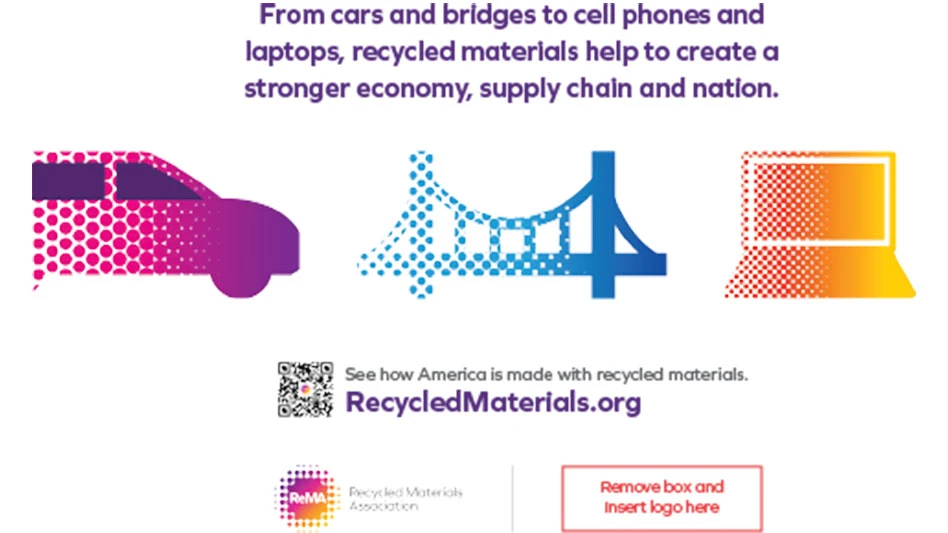
Graphic courtesy of ReMA
Earlier this year, the Recycling Materials Association (ReMA) launched its America is Made with Recycled Materials campaign.
Initially designed to educate lawmakers and influencers in the nation’s capital about the essential national infrastructure and everyday consumer products made from recycled materials, the association has developed a toolkit in partnership with Avoq to help its members bring this message to the local level.
The resources in the toolkit are available through Google Drive and Canva and include social media posts, posters and other signage, postcards, letterhead and stickers that ReMA members can customize by adding their logos to the ReMA-branded content.
The next step in raising the recycling industry’s profile
ReMA President Robin Wiener says the campaign is part of the journey the Washington-based association, which was named the Institute of Scrap Recycling Industries from 1987 until early 2024, started earlier this decade with its lexicon project in partnership with Maslansky + Partners, a language strategy firm based in New York City.
Together, they produced a playbook, “A common language for the recycled materials industry,” as part of a larger effort to strengthen the industry’s voice by creating effective messaging guidelines to build the recycling industry’s reputation, raise awareness and drive engagement with industry issues.
She adds that the industry needed to figure out how to “break through all the noise about the industry and talk to general public, policymakers, etc., about the industry in a way that resonated with people.”
Wiener says that while the lexicon project was successful, more needed to be done. “We know how to talk about the industry. But when we walked in the room, we led with a message saying that we’re the Institute Scrap Recycling Industries—it’s really inconsistent with the message.” This led the association to adopt its current name, which she says better reflects the industry as it is today and its value to the supply chain and communities.
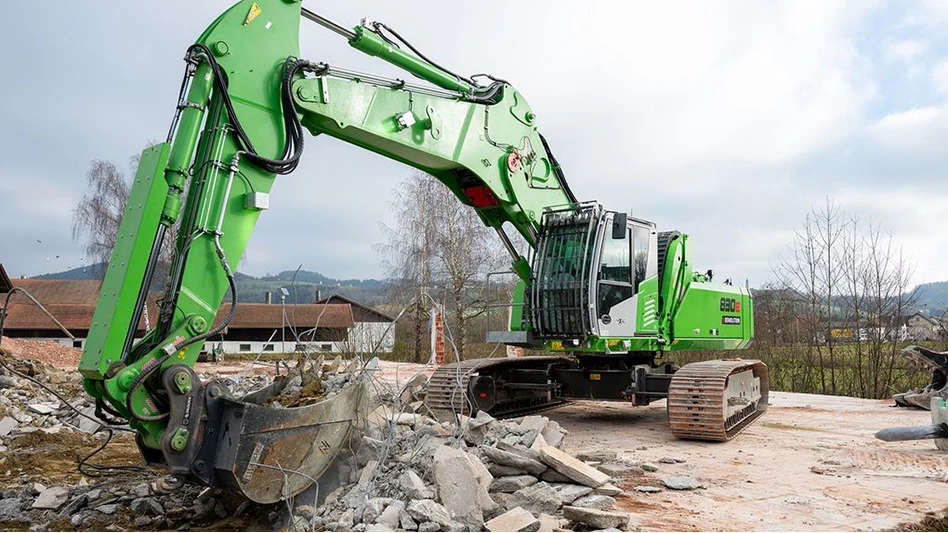
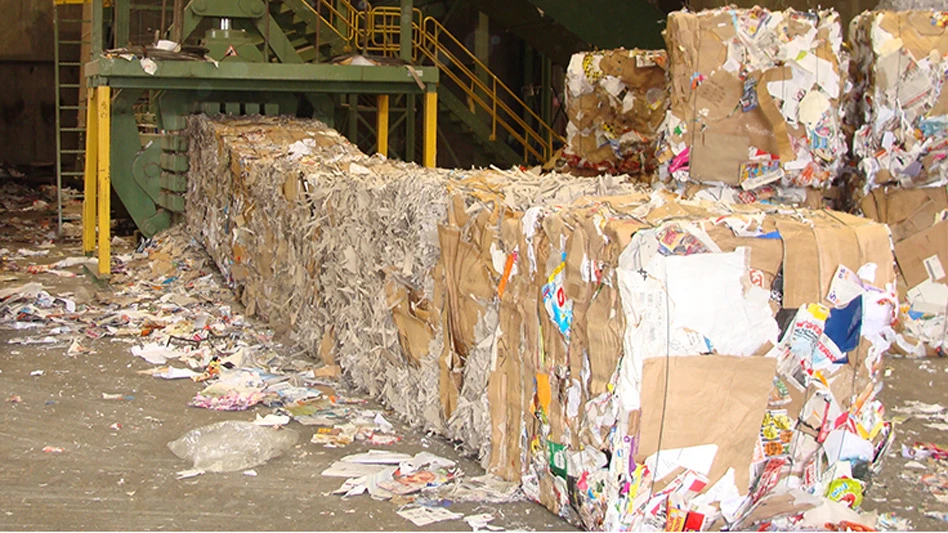
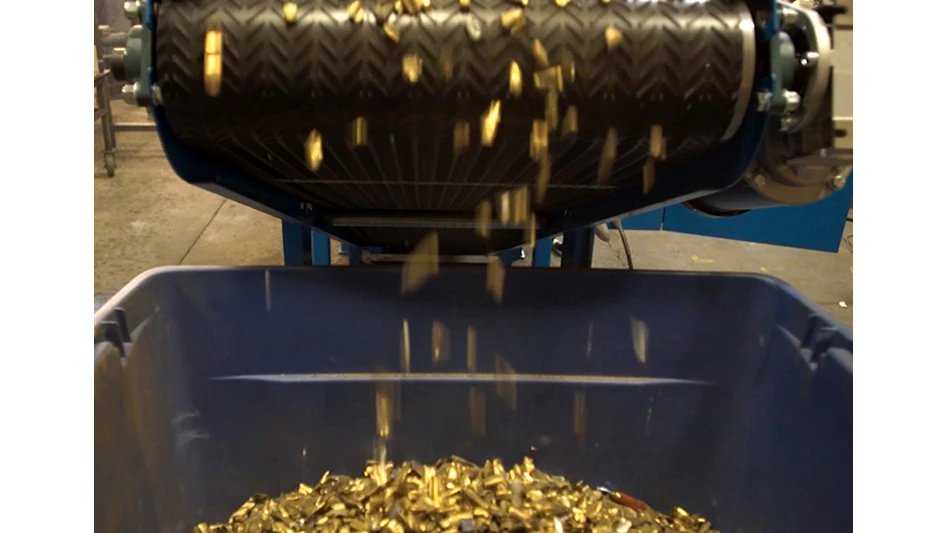
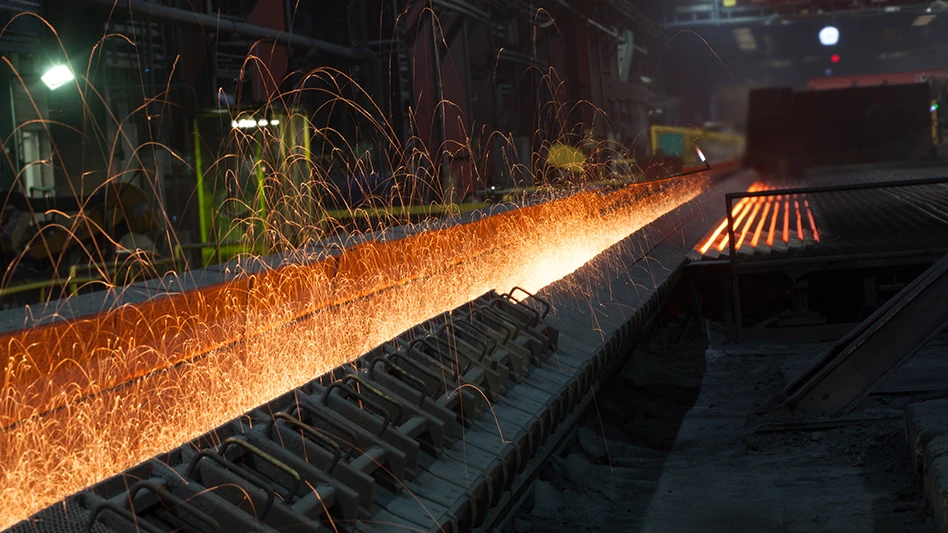
The America is Made with Recycled Materials campaign is the next step in that journey, helping to illustrate the ways people interact with recycled materials daily, from the cars they drive to the bridges they cross to the aluminum cans they drink from and the cardboard boxes they open containing their Amazon and Chewy orders. Wiener says taking this approach makes it simple for people to understand that recycled materials are all around them and that manufacturing relies on recycled materials.
“I think one of the keys was shifting away from the word ‘scrap’ because in the testing that was done with Mislansky, it was clear that people thought scrap was something secondary, a waste material,” she says. “By talking about recycled materials in a positive way and about how they’re being used, how they’re contributing to sustainability and to economic impact to their community, that’s all part of our messaging, which we have found to be very successful. And that’s what the campaign’s all about that.”
A dynamic campaign
“We launched the original campaign in February with the new administration [and] the new Congress,” Eric Reller, ReMA vice president of communications, says, giving the association a good sense for which messages resonated the most and how assets could be adjusted to improve their impact. “We continue to iterate and really build out different things based on that.”
While the campaign initially focused on the nation’s capital, Wiener says, “Obviously, decisions about our industry and the importance of understanding our industry are made in local communities every day in states, federally as well as internationally, so we have to work at all levels, and we want to empower members to take advantage of all that we learned about the power of language and the power of these words. That is really what this toolkit is all about—empowering them to be able to really interact with their local community.
“They know what’s best in their community, … so we’re giving them a range of tools that can be used to deliver the messages the way they feel it’s best delivered,” she adds.
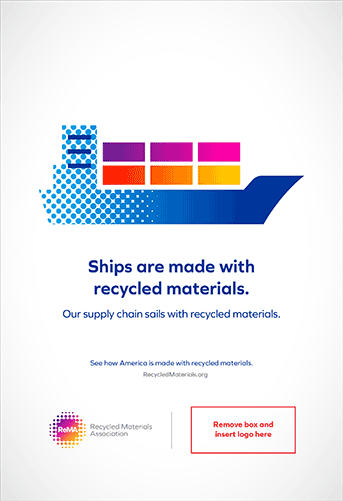
assets available in the toolkit.
Reller and Wiener say the campaign will evolve over time. It is slated to run through the end of the year, Wiener says, though other iterations will be forthcoming.
“We’ve added a couple of different ads as we’ve seen what’s worked,” Reller says. Because the ReMA Convention & Exposition was in San Diego this year, he says a ship was added to the campaign imagery, which, aside from being made with recycled content, also resonated with the tariffs that President Trump has been announcing since his second term began. “As we see different things pop up or if we discover different statistics that help support things,” he says, the campaign’s resources will be expanded.
Two notable statistics from the current campaign, according to Reller, are that 75 percent of U.S. bridges are made with recycled steel, while two-thirds of cars contain recycled content.
This year, the main focus of the campaign has been on raising awareness of the recycled materials industry generally, Wiener says, adding that ReMA is working with its communications committee and board to establish the focus for next year’s campaign.
“As Eric said, we really took advantage of the fact that we had a new Congress coming in this year, so it’s key to focus on Washington this year because of the new Congress and the new administration," she adds. "That won’t be as important next year. We’ll probably shift to more local and then maybe come back to federal the following year.”
The toolkit, available to all ReMA members, offers step-by-step instructions on how to personalize the different assets, which members can share with local regulators, community leaders, lawmakers and the community at large, Reller says.
An effective tool
ReMA’s experience to date since it launched the America is Made with Recycled Materials campaign is that it is effective in educating lawmakers about the industry.
“The use of the language itself, the language lexicon [and] how we talk about the industry, is very helpful in terms of helping them understand our industry and the impact of tariffs, the impact of potential export controls, etc.,” Wiener says. “I think that what we’ve experienced is the campaign has been effective in opening people’s eyes in Washington to who we are, and that makes some of these meetings certainly much easier.”
ReMA members interested in learning more about the America is Made with Recycled Materials campaign can reach out to Reller or Rachel Bookman, ReMA director of communications, at ereller@recycledmaterials.org or rbookman@recycledmaterials.org, respectively.
Latest from Recycling Today
- SA Recycling votes to remove United Steelworkers
- England's Environment Agency extension provides stability for metal shredding operators
- Schupan names new chief financial officer
- NAW looks ahead to July hearing in Oregon
- Recycle Coach partners with Bartec Municipal Technologies
- EPA proposes abandoned tire cleanup plan with focus on energy recovery
- BIR welcomes new policy officer for trade & environment
- Global Recycling Foundation recognizes Recycling Heroes