.shock | stock.adobe.com
Redwood Materials, an energy storage and battery recycling company headquartered in Reno, Nevada, has closed a $350 million Series E funding round, led by Eclipse. Other long-term investors and new strategic investors also participated in the round, including NVentures, which is NVIDIA’s venture capital arm.
According to Redwood, NVIDIA has made a handful of investments, and its participation reflects confidence in Redwood Energy as a solution to power data centers and America’s energy future.
Redwood operates two core, integrated business lines:
- Critical Materials, such as cobalt, nickel, copper, lithium and cathode active material; and
- Grid Energy Storage using new and repurposed batteries with what the company says is “very large scale, lowest cost [and] best integration.”
With this new capital, Redwood will accelerate the expansion of its energy storage deployments, refining and materials production capacity and its engineering and operations teams.
The company notes that this is a critical time for Redwood and the U.S., given the curtailment in international supplies and intense domestic demand growth for these same materials and energy products.
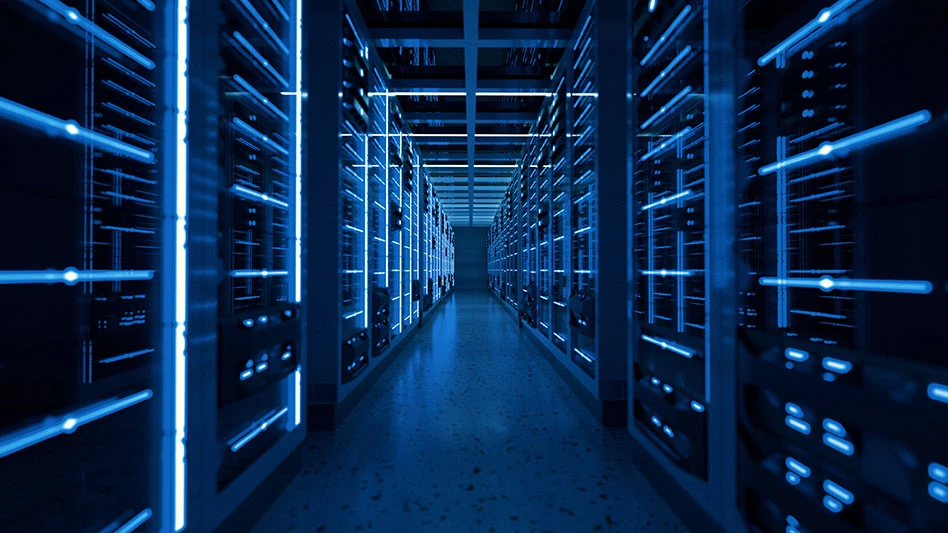
Electric energy availability has become a key strategic issue for artificial intelligence, or AI, infrastructure growth. According to an article from S&P Global that cites its 451 Research arm, data centers will require 22 percent more grid power by the end of 2025 than they did in 2024 and will need nearly three times as much in 2030.
Grid limitations have led some data center developers to explore on-site power systems that include existing conventional assets, such as retired nuclear assets, new natural gas-fired generation, battery storage, renewables and various hybrid combinations, according to a July report by S&P Global Commodity Insights analysts that the S&P Global article cites.
“Low-cost, large-scale battery energy storage has emerged as the most immediate and scalable solution to enable AI factory deployment and unlock stranded grid and generation capacity,” Redwood says. “Beyond powering data centers, this storage capacity will benefit industrial electrification and help address the intermittency of domestic renewable generation. Coupled with natural gas turbines and future nuclear generation, large-scale energy storage can dramatically improve efficiency, utilization and the reliability of those baseload assets.”
Redwood says it is combining its extensive materials and manufacturing expertise with advanced power electronics and software to create a new generation of U.S.-made energy storage systems—scalable, low-cost and designed to power data centers, industry and the grid—reducing reliance on imported LFP, or lithium iron phosphate, batteries.
Latest from Recycling Today
- Fleetio launches AI capability to accelerate fleet maintenance approvals
- The Metals Agency receives approval for export credit insurance
- Recycle Ann Arbor extends drop-off station operating hours
- Sybilion seeks to help manufacturers confidently address volatility
- Rio Tinto, Prysmian partner on low-carbon aluminum solutions for data centers
- Unilever criticized for plastics approach
- USTR to study additional steel, aluminum tariffs
- Electrified Materials adds processing capacity