The leader of an electronics recycling group has asked concerned parties to come together for dialog and consensus rather than assuming the worst about each other when it comes to exporting used electronics.
Making comparisons to the coffee and jewelry industries and attempts designed to clamp down on exploitation in those sectors, Robin Ingenthron of the World Reuse, Repair and Recycling Association (WR3A) has asked a mediating organization to intercede.
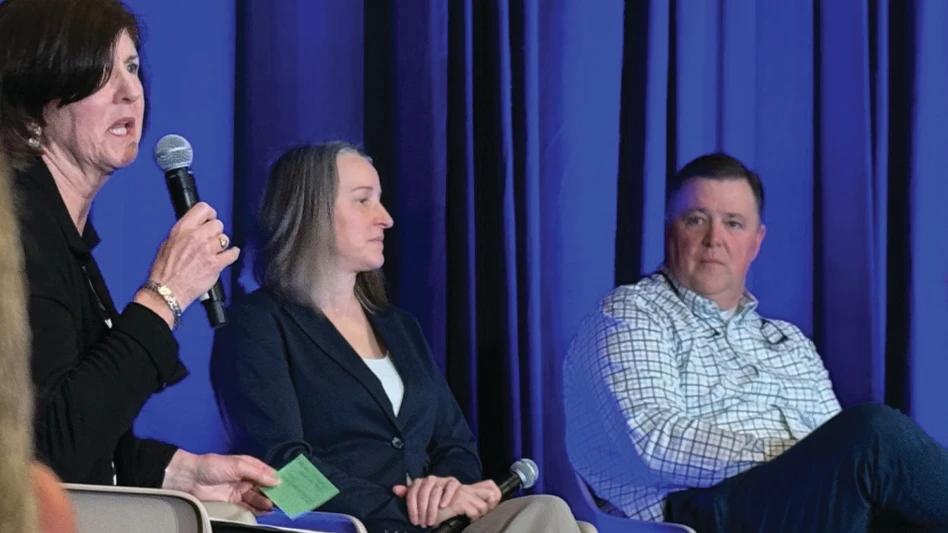
Speaking to attendees of a session at Recycling Today’s 2009 Electronics Recycling Conference in Atlanta, Ingenthron invited fellow panelist Stephen D’Esposito and Resolv.org to bring together the WR3A with organizations calling for sweeping export bans of used electronics.
Recalling that advocates of coffee grower reform early on favored a boycott of coffee, Ingenthron remarked, “You’re probably not going to make people’s lives better by avoiding them.”
Likewise, Ingenthron noted that the proper exporting of refurbished and refuribishable electronics supports entrepreneurs in developing nations and makes connecting to the Internet (and the wider knowledge and opportunities that brings) affordable for people throughout the developing world.
Just as coffee industry reformers thought beyond a boycott, Ingenthron wants to ensure that Greenpeace and the Basel Action Network (BAN) can think beyond a comprehensive export ban. “We need to come together in some way to find a solution to the problems that Greenpeace and BAN have found that’s not ‘boycotting coffee.’ Just as responsible coffee growers were supported, let’s support the good recyclers,” said Ingenthron.
The session’s panelists included Ow Young Su Fung of Malaysia’s NetPeripheral, a company that refurbishes and remarkets computer monitors shipped in from other nations.
Also on the panel was Dr. Paul Jhin, whose United Nations Global Initiative on Computers for Schools has as its target to provide some 500,000 computers to 10,000 schools in 60 developing nations. The initiative has received the support of WR3A, which has pledged to donate up to 20,000 computers, and from corporations such as Intel, which has pledged to donate 1,000 units.
Panelist Ed Brzytwa of the Office of the United States Trade Representative says historically there is little precedent for banning the export of refurbished and reconditioned goods. He defined the global market for remanufactured goods to have been at the $100 billion level as of 1996 and estimated it has grown considerably since then.
Addressing those who want to ensure an end to the irresponsible shipment of mixed electronics loads to unsafe operators, Brzytwa said, “A blunt instrument like an export ban is not the most sophisticated way to accomplish your objective.”
He said genuine change “was only possible through sustained public and private-sector education; there is constant conversation.”
Ingenthron and D’Esposito expressed hope that an effort by Resolv.org to bring together parties with different views can be a way to get that conversation started.
Recycling Today’s Paper, Plastics and Electronics Conferences were held June 7-9 at the Hyatt Regency Atlanta in that city’s downtown.
Latest from Recycling Today
- Greenwave raises revenue but loses money in Q2 2025
- Recycled steel prices hold steady
- EY says India’s need for scrap imports will continue
- Coming full circle
- Amcor, DCM introduce fertilizer packaging with 35 percent recycled content
- Comstock Metals gets closer to commissioning commercial-scale solar panel recycling facility
- Washington selects Circular Action Alliance as PRO
- Smurfit Westrock expands in Latin America