Rrab1972 | dreamstime.com
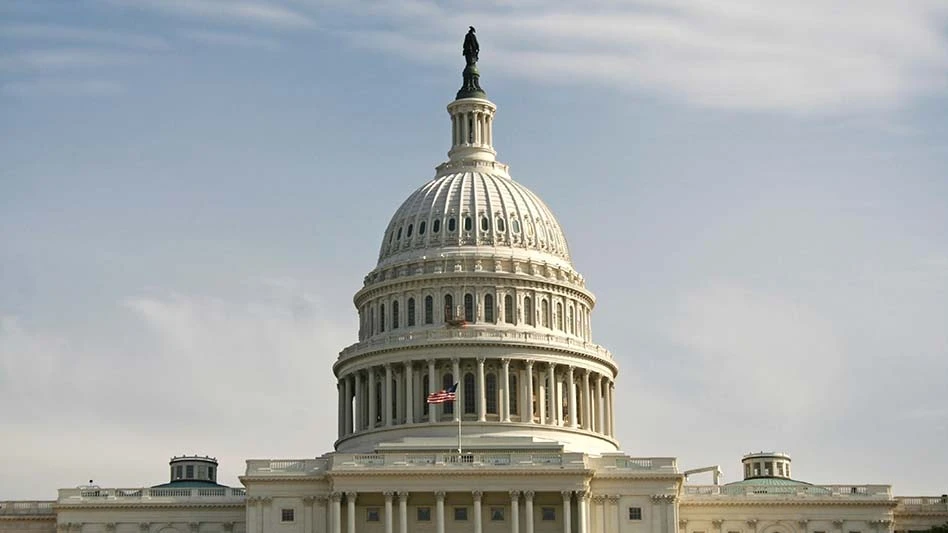
U.S. Rep. Haley Stevens (D-MI) announced Aug. 13 the relaunch of the bipartisan Congressional Recycling Caucus.
Stevens will co-chair the caucus, which was founded in 2006, with Reps. David P. Joyce (R-OH), Chellie Pingree (D-ME) and Marinette Miller-Meeks (R-IA).
The Recycling Caucus works to champion policies that boost the economy and the environment, tackle persistent challenges in managing recyclables and cement U.S. leadership in the global circular economy.
Citing data from The Recycling Partnership, the U.S. recycles just 21 percent of recyclable materials, with only 43 percent of households participating and 37 percent of multifamily units having access to recycling, therefore hitting the U.S. Environmental Protection Agency’s (EPA's) target of a 50 percent national recycling rate by 2030 will take a major investment to bring America’s recycling into the modern era, according to a news release about the caucus’ relaunch issued by Steven’s office.
Stevens has been at the helm of the Recycling Caucus since the 117th Congress, founding the Plastic Solutions Task Force, authoring the Unearth America’s Future Act to boost recycling in critical material supply chains and co-chairing the Aluminum Caucus, championing progrowth, prorecycling policies for one of the most reused materials on earth.
As chair of the Research and Technology Subcommittee, Stevens convened the first Science Committee hearing on recycling in a decade, spotlighting local challenges in southeast Michigan. In 2019, she scored a unanimous House vote for her amendment directing the EPA to prioritize funding for a national recycling strategy—pressure that helped push the agency to release its draft strategy in 2020 and finalize it in 2021. Stevens has kept recycling in the national conversation by introducing House Resolution 350 to recognize a global Remanufacturing Day, showcasing the role of remanufacturing in sustainable manufacturing.
“Recycling is much more than just the blue bin—it’s key to protecting our environment, strengthening Michigan manufacturing and powering local economies,” Stevens says. “In Michigan alone, the industry generates nearly $5 billion annually and supports thousands of good-paying jobs across sectors. As co-chair of the bipartisan Recycling Caucus, I’m committed to advancing circular solutions for everything from industrial metals to plastics to hard-to-reach recyclables.”
The Caucus’ co-chairs also underscore the importance and opportunity of improving America’s recycling systems.
“Recycling is a critical tool for reducing pollution in our environment while also contributing to the job market and economy,” Joyce says. “The national recycling rate is barely over 30 percent, largely because rural communities lack access to recycling infrastructure, which prevents them from participating in the circular economy. As co-chair of the Recycling Caucus, I plan to work with my colleagues on both sides of the aisle to advance initiatives focused on expanding access to recycling in rural communities in OH-14 and across the country, as well as continuing to educate policymakers on Capitol Hill about the benefits of the process.”
“The U.S. generates over 292 million tons of household and commercial waste every year, yet only 32 percent is recycled,” Pingree says. “That’s a huge problem—and exactly why having a bipartisan Recycling Caucus is so important. Through my work as ranking member of the House Appropriations Interior Subcommittee and as Chair and founder of the Congressional Slow Fashion Caucus, I’ve seen how smart recycling policies can reduce waste, create jobs and prevent pollution. We have the resources and expertise to be a global leader in recycling, but we have to have the political will to take on that responsibility. I’m very much looking forward to working with my colleagues to make that case to the American people—and to create the kinds of policies that put us on the cutting edge of sustainability.”
Miller-Meeks adds, "I’m proud to join the bipartisan House Recycling Caucus because Iowa’s farmers, families and businesses know the value of using resources wisely. Strengthening America’s recycling infrastructure isn’t just good for the environment, it’s good for our economy and national security. By improving access and innovation in recycling, we can reduce waste, create jobs, support American manufacturers who rely on these materials, and keep more of our supply chain here at home instead of overseas. This will help decrease our reliance on foreign sources of primary materials and ensure our communities thrive for generations to come."
Industry response
The Recycled Materials Association (ReMA), Washington, has applauded the relaunch of the Congressional Recycling Caucus, with ReMA President Robin Wiener saying, “The recycled materials industry is thrilled that another group of lawmakers recognizes that our industry is a critical component of the manufacturing supply chain and the overall economic resilience of the United States. We look forward to working with the leadership of the Congressional Recycling Caucus to strengthen our recycling infrastructure so that the industry can continue to support our domestic manufacturing base that relies on high-quality recycled materials to make new products.”
The Recycling Partnership also is celebrating the relaunch of the caucus.
“The House Recycling Caucus has been a champion for recycling’s ability to deliver results for communities across the nation: big, small, rural, urban and everyone in between,” says Anthony Tusino, director of Public Policy and Government Affairs at The Partnership. “It’s clear, though, that we need to do more. Fully investing in recycling could deliver 200,000 new jobs, save taxpayers $9.4 billion and keep $8.8 billion worth of materials in our economy. We look forward to working with the bipartisan Recycling Caucus leadership to advance better recycling policy in the 119th Congress, including incentivizing new investments, leveraging federal funding for communities and taking steps to achieving the nation’s 2030 recycling goal.”
The Partnership says that during the 119th Congress, it is committed to supporting the passage of the STEWARD Act (S. 351), legislation that would bring funding to communities often out of reach of recycling services and compile a full accounting of the nation’s recycling and composting practices, and supporting and build endorsements for the CIRCLE Act (H.R. 4466), a recycling infrastructure investment tax credit that was built to incentivize new investments across the nation that would return materials to the manufacturing supply chain and build new jobs across the country while working to keep materials out of landfills and our environment.
Latest from Recycling Today
- U.S. Aluminum Co. explores aluminum fabrication plant in Oklahoma
- Sonoco completes portfolio transformation
- Eriez Shred1 data demonstrates scalable copper control
- RCI selects CurbWaste as exclusive operational management platform
- Updated: Supreme Court strikes down IEEPA tariffs
- Recycling Today Media Group launches Scrap Expo Lunch & Learn Webinar Series
- LyondellBasell scales back recycling target
- Former Liberty UK mills eyed by 3 suitors