RECOUP
U.K.-based RECOUP (RECycling of Used Plastics Ltd.), which is a cross-industry forum addressing the barriers to and improving the recycling of black plastic packaging, has released a 2020 update to its Black Plastic Packaging Forum report with figures and guidance around the use of black plastic packaging in the U.K. The report was produced as part of RECOUP’s Black Plastic working group.
According to a news release from RECOUP, the report estimates that black plastic packaging used in the U.K. has dropped going into 2020. This reducing figure means that black plastic now accounts for about 0.7 percent of consumer plastic packaging placed on the U.K. market each year.
RECOUP reports that it has been pushing for all black plastic packaging to be recyclable in current, commercial-scale recycling systems by 2025.
“The ultimate aim is to drive black plastic recycling forward in a practical and sensible way, turning ambitions and collaborative thinking into actual delivery,” says Stuart Foster, chief executive officer at RECOUP.
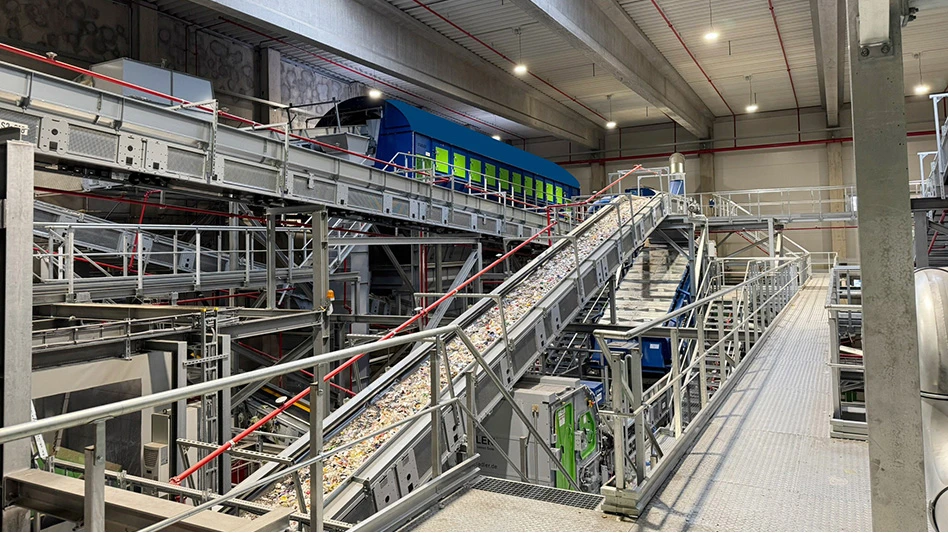
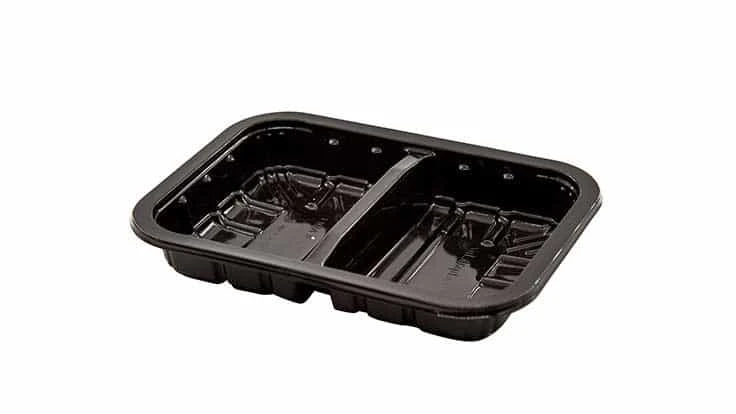
RECOUP reports that black plastic “is largely considered unrecyclable through commercial recycling systems due to the use of near infrared sorting systems in MRFs (material recycling facilities) that are unable to identify the carbon black pigment” and as a result, most of the U.K.’s black plastic packaging is sent to the landfill. However, black plastic has been popular among packaging producers because it enables the use of skeletal waste, factory scrap and recycled plastics in products without creating a color that is considered unattractive to consumers.
Alternative solutions to black plastic, such as the use of noncarbon black pigments and other colored materials, have also helped to reduce the amount of unrecyclable material in the U.K., RECOUP reports. The identification of end markets and solutions for these recyclables has also helped to drive value and interest in the recycling of black plastic in the past year.
“Black plastic has long been a challenge for plastic packaging producers and recyclers,” says Paul East, RECOUP’s packaging sustainability manager. “While it has been an excellent way for producers to get recycled plastic into their packaging, it’s also been incompatible with commercial sorting facilities. Today, with changes to extended producer responsibility on the horizon, it is the best time to finally resolve the issue of black plastics through achieving a satisfactory level of recyclability.”
The Black Plastic working group and subsequent report was generated as part of RECOUP’s Black Plastic Forum, set up in 2018, with the aim of improving the recyclability of black plastic. The Black Plastic Packaging Forum document is available to download for free on the RECOUP website at this link: http://www.recoup.org/p/173/download-centre.
Latest from Recycling Today
- U.S. Aluminum Co. explores aluminum fabrication plant in Oklahoma
- Sonoco completes portfolio transformation
- Eriez Shred1 data demonstrates scalable copper control
- RCI selects CurbWaste as exclusive operational management platform
- Updated: Supreme Court strikes down IEEPA tariffs
- Recycling Today Media Group launches Scrap Expo Lunch & Learn Webinar Series
- LyondellBasell scales back recycling target
- Former Liberty UK mills eyed by 3 suitors