Radiation exposure that killed one worker at a scrap yard in India and left more than a half dozen critically injured, has resulted in the Indian government considering taking significant steps to prevent similar accidents from occurring.
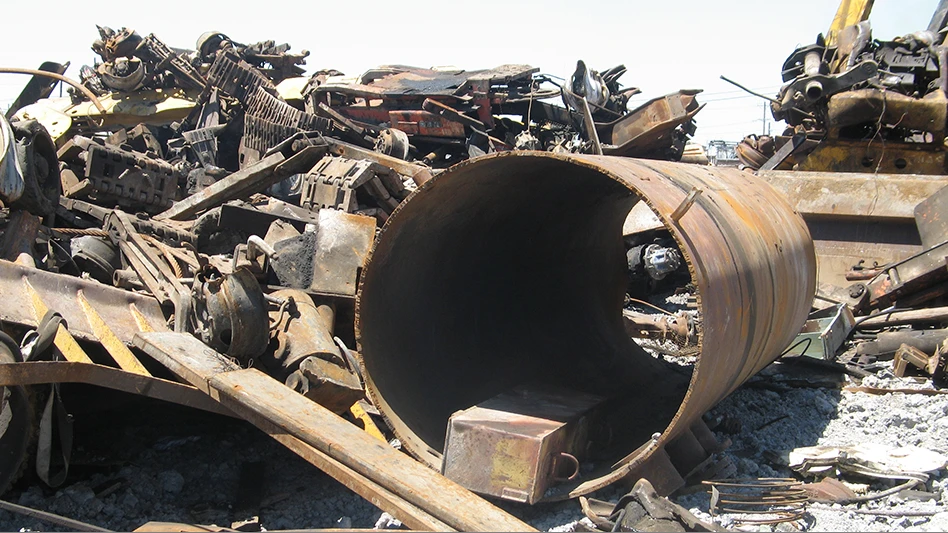
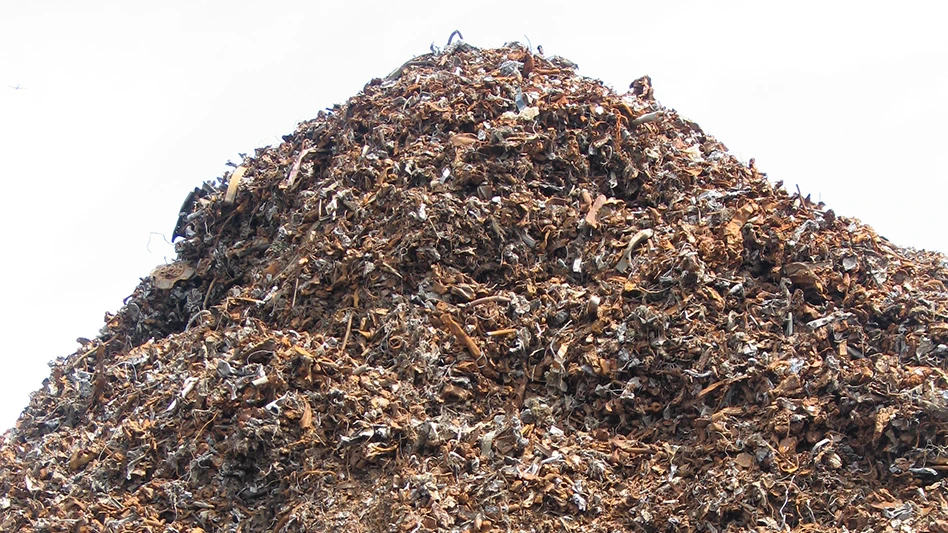
When news of the death first arose, officials from a number of Indian government agencies, including the National Disaster Management Authority and the Atomic Energy Regulatory Board, joined a number of other groups in detecting 11 sources of radioactive cobalt-60 from a Mayapuri scrap yard.
The government initially blamed the existence of the radioactive material to material that was imported, and that the country’s hazardous wastes rules would be tightened for importing scrap metal. However, after further research, it was determined that the radioactive material came from a gamma irradiator machine from a local Indian university.
In a release, the Metal Recycling Association of India (MRAI) noted that all imported scrap metal presently is checked for radioactivity prior to shipment to India by independent inspection agencies using suitable detection equipment. Pre-shipment inspection of metal scrap is mandatory via the Directorate General of Foreign Trade (DGFT) Notification and inspection agencies have to be prior approved by DGFT as per Appendix-V of the Indian Import Policy.
MRAI suggests that the concerned ministries such as the Department of Atomic Energy, ministry of the Environment, DGFT or National Disaster Management – Ministry of Home affairs, make it compulsory for installation of radiation equipment at all Indian Ports, Inland Container Depots, container freight stations as well as at all units/mills consuming or handling domestic and/or imported metal scrap of any kind.
In supporting the policy, the MRAI points out that similar legislation already exists at ports in many trading partner countries, including the United States and Europe. Because of that, radiation detection equipment is already installed at American and European scrap yards and mills. The implementation of this suggestion would not only control any inadvertent melting of radioactive scrap, but also protect the lives of those working in these steel and non-ferrous melting shops.
Latest from Recycling Today
- Equipment from the former Alton Steel to be auctioned
- Novelis resumes operations in Greensboro, Georgia
- Interchange 360 to operate alternative collection program under Washington’s RRA
- Waste Pro files brief supporting pause of FMCSA CDL eligibility rule
- Kuraray America receives APR design recognition for EVOH barrier resin
- Tire Industry Project publishes end-of-life tire management guide
- Des Moines project utilizes recycled wind turbine blades
- Charter Next Generation joins US Flexible Film Initiative