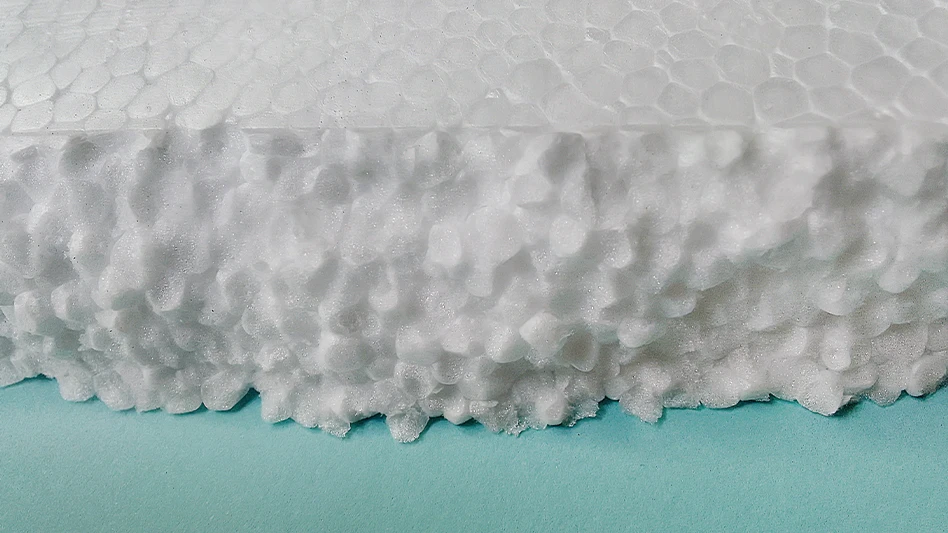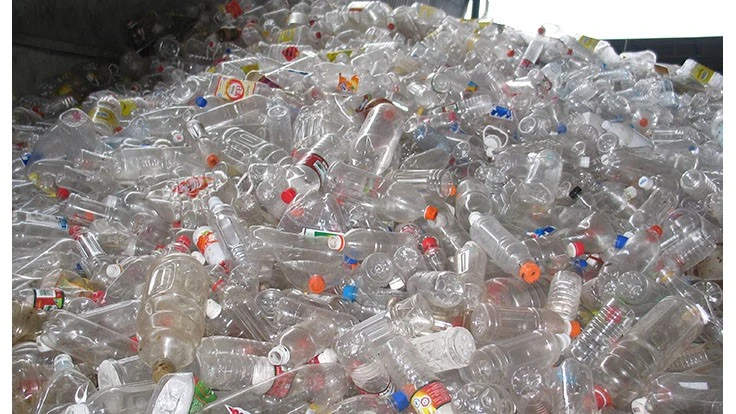
Queen’s University Belfast, Belfast, Northern Ireland, received about £1 million grant to fund a research project that will address plastic waste. The research project, Advancing Creative Circular Economies for Plastics via Technological-Social Transitions (ACCEPT Transitions), will address some of the problems with plastic waste in the United Kingdom.
Queen’s is one of eight universities that has received a share of an £8 million grant by the Engineering and Physical Sciences Research Council to work on projects that will rethink plastics production and use.
According to a Queen’s University Belfast news release, Professor David Rooney, director of the Research Centre in Sustainable Energy at Queen’s, will lead the project. Rooney has a team of 11 other professionals from the university who have expertise in areas that include politics, engineering, psychology and architecture.
Work on the project will start early this year, the university reports. The goal of the project is to tackle plastic waste problems by creating a sustainable plastics circular economy in the U.K. The project aims to create a n economy that keeps resources, including waste, in use for as long as possible.
ACCEPT Transitions will look at consumer behavior and attitudes toward plastic use and plastic waste. It will assess the current industry supply chain so that hotspots can be identified and managed. The project will also work with industry to design and prototype building products that use significant quantities of recycled plastic waste.
“Facilities at Queen’s make the university the ideal place to carry out this project,” Rooney says. “These facilities include the Polymer Processing Research Centre, a market-driven research center which has been collaborating with industry since 1996. The outcome of the research carried out here at Queen’s is to create a sustainable and resilient plastics circular economy that will change how we deal with plastic waste, with the ultimate goal of creating a sustainable environment for future generations.”
Latest from Recycling Today
- Greenwave raises revenue but loses money in Q2 2025
- Recycled steel prices hold steady
- EY says India’s need for scrap imports will continue
- Coming full circle
- Amcor, DCM introduce fertilizer packaging with 35 percent recycled content
- Comstock Metals gets closer to commissioning commercial-scale solar panel recycling facility
- Washington selects Circular Action Alliance as PRO
- Smurfit Westrock expands in Latin America