Photo by Marc Campbell Productions
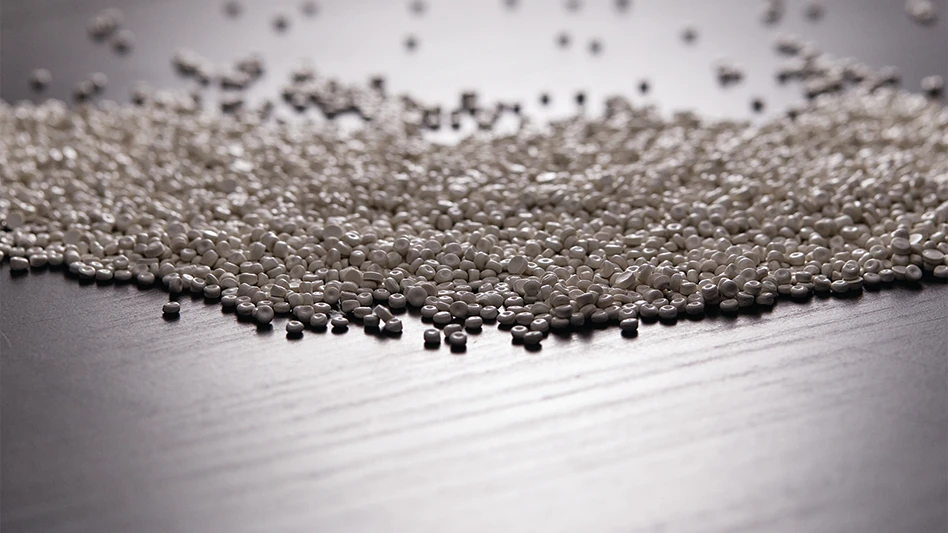
Although demand and pricing for recycled polyethylene terephthalate (rPET) have decreased over the last year, several factors could spark a future turnaround, according to a pair of industry experts.
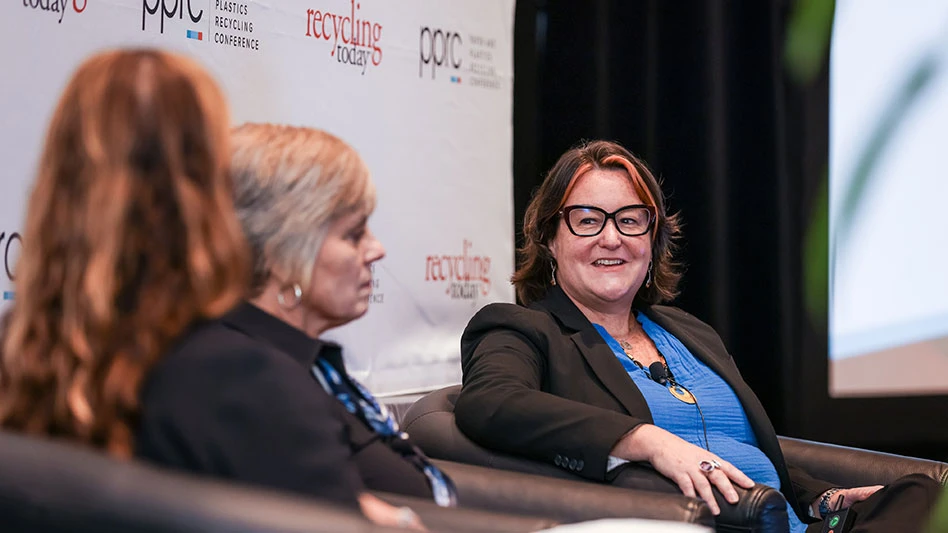
During the "PET Market Outlook" session at the Recycling Today Media Group’s annual Paper & Plastics Recycling Conference, held in Chicago from Oct. 11-12, Hannah Martinez, head of sustainability and advocacy in the Americas for Thailand-based PET recycler Indorama Ventures Public Co. Ltd., said legislation, investment and access to recycling all have parts to play in securing additional supply, while brands’ recycled-content needs for items including bottles and other forms of packaging are poised to grow as 2025 and 2030 sustainability deadlines near.
“We see the brands sitting at the table all the time,” Martinez said of their sustainability commitments. “I think they’re serious and they’re very much working toward achieving that goal [of using more rPET].
“From our perspective, we’re already able to meet their needs. We have our own sustainability goals as Indorama Ventures, and that has allowed us to already meet that demand and meet those goals and expectations. I think the more those goals are set and the closer we get to the brands’ goals, the more we’re going to see in terms of the market dynamics changing, with more investments in infrastructure and more investments in legislation.”
Lori Carson, market development manager at Bowling Green, Ohio-based Phoenix Technologies International LLC, agreed rPET demand from brand owners is firm and poised to grow, potentially leading to longer-term contracts for postconsumer resin (PCR).
“I think the more dedicated you get to the [recycled content] goal, then the easier it gets to justify something that’s one or two years away because then you’re really invested in the goal,” she said. “What we definitely do see is there’s clearly much more incentive to be in the market, stay in the market and then figure out what we’re going to do to achieve those goals over the next five to 10 years. Now, the goals are no longer two-year goals; they’re five-year goals and 10-year goals, so it makes more sense.”
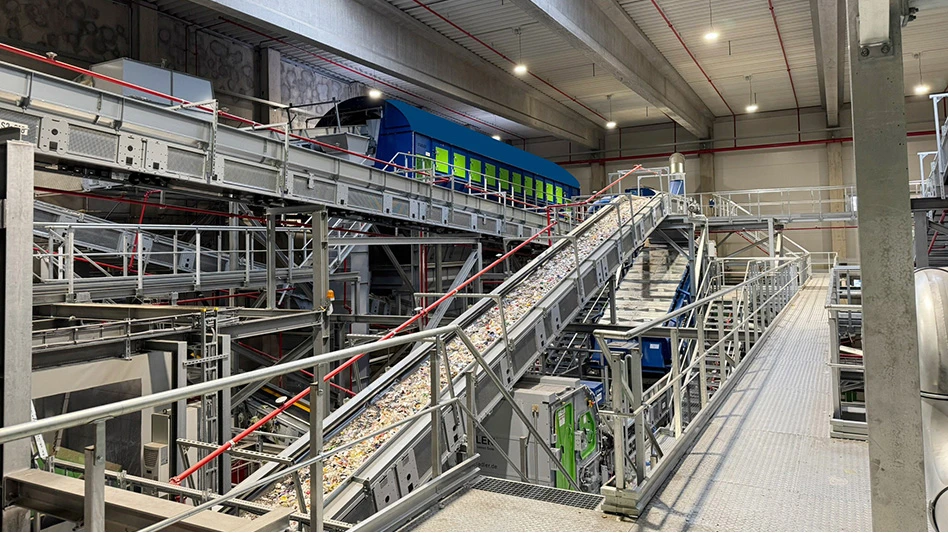
The panelists also agreed the U.S. should prioritize increased collection of PET via legislation or standardization of recycling practices and by making recycling more accessible to the public. Martinez and Carson also say funding should be used to invest in material recovery facilities (MRFs) and reclaimers to improve their sorting equipment, among other upgrades.
Four states—California, Colorado, Maine and Oregon—have passed extended producer responsibility (EPR) legislation, and Indorama, through a collaboration with The Recycling Partnership, has helped push for EPR adoption in other states. One of Indorama’s largest PET recovery facilities is in Dallas, and the state of Texas has a PET recycling rate of just 9 percent, she added.
“For such a huge state with a lot of opportunity and a lot of litter, we think we could make a really big impact if we had some sort of legislative outcome there that would enable us to increase that collection,” Martinez said.
Carson added the demand side doesn’t necessarily need more stimulation and that sustainability goals will be more possible if recyclers get more supply. “How do we get funding to help on the collection side? That’s where we think the focus needs to be for the next several years," she said.
Latest from Recycling Today
- U.S. Aluminum Co. explores aluminum fabrication plant in Oklahoma
- Sonoco completes portfolio transformation
- Eriez Shred1 data demonstrates scalable copper control
- RCI selects CurbWaste as exclusive operational management platform
- Updated: Supreme Court strikes down IEEPA tariffs
- Recycling Today Media Group launches Scrap Expo Lunch & Learn Webinar Series
- LyondellBasell scales back recycling target
- Former Liberty UK mills eyed by 3 suitors