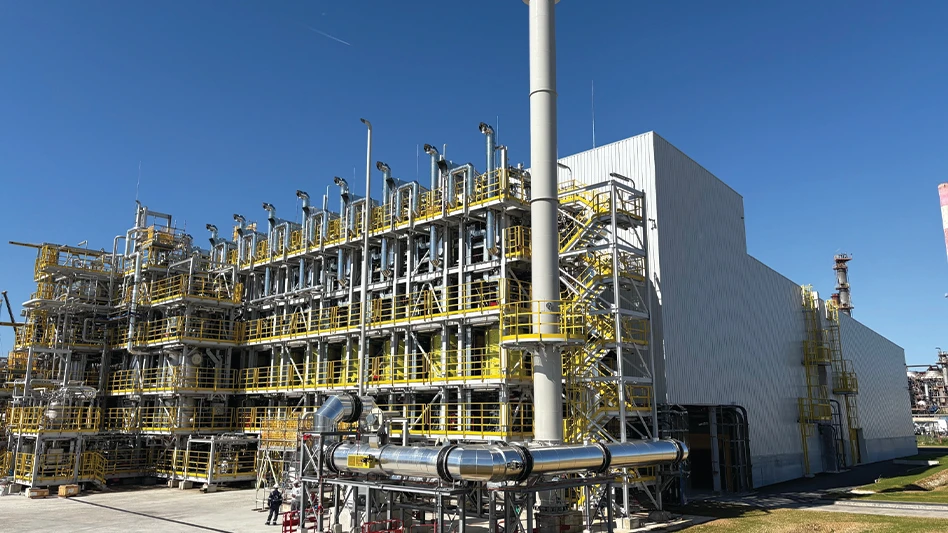
Finland-based Pöyry says it has developed a PlasticsToBio concept and initiative designed to address the global plastics problem. The company says its concept provides an affordable and economically viable way to decouple plastics from fossil-based materials to bio-based materials.
“Societies, companies and consumers recognize the magnitude of the plastics problem,” says Tomi Nyman, principal, Pöyry’s Management Consulting Business Group. “Solutions to replace fossil plastics, including recycling, are in constant development, but so far there has not been a systemic concept to drive decoupling plastics from fossil-based materials. Neither has increasing plastics recycling in a large enough scale been developed so far, and in an affordable, economically viable and sustainable manner. Pöyry’s PlasticsToBio concept shows that within just 10 years, most fossil-based plastics could be replaced with bio-based materials.”
The concept is based on two key areas: a substantial increase in recycling and the gradual replacement of fossil feedstock with bio-based feedstock in plastic production.
Pöyry says an important tool in implementing its concept is developing a global deposit scheme for plastics collection and recycling. Similar schemes are used in various countries at the national or retail chain level so that when a consumer buys a product from a store, a deposit value of 10 cents, for example, is charged to the consumer. When returning the used packaging to the shop, the consumer receives the deposit value back directly or as a receipt that indicates the deposited value and that can be used toward a purchase in the same store. The returned plastic packaging is regularly collected, transported and sorted for recycling.
The company says plastics should feature an icon that indicates the deposit value for the packaging or, alternatively, the value per kilogram.
“There are, naturally, investments needed to make this change happen,” Nyman says. “For example, we will need recycling sites, waste management and new infrastructure for collection, sorting and logistics.
“Pöyry’s concept shows that the investments needed to introduce this scheme and eventually use just bio-based plastics will become cheaper than sourcing crude oil today to produce fossil-based plastics,” he adds.
Latest from Recycling Today
- England's Environment Agency extension provides stability for metal shredding operators
- Schupan names new chief financial officer
- NAW looks ahead to July hearing in Oregon
- Recycle Coach partners with Bartec Municipal Technologies
- EPA proposes abandoned tire cleanup plan with focus on energy recovery
- BIR welcomes new policy officer for trade & environment
- Global Recycling Foundation recognizes Recycling Heroes
- Recycling Today Media Group launches Paper and Plastics Recycling Conference webinar series