Image courtesy of Plastic Energy
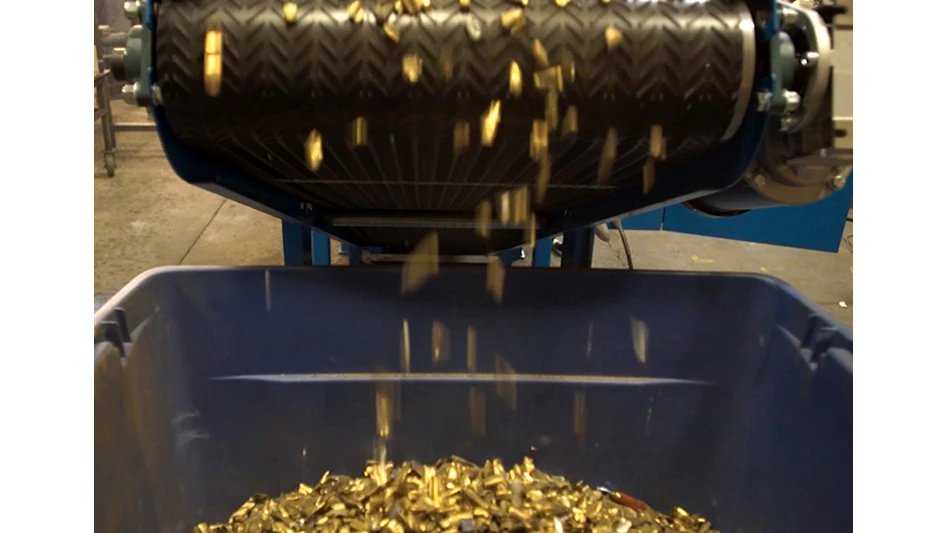
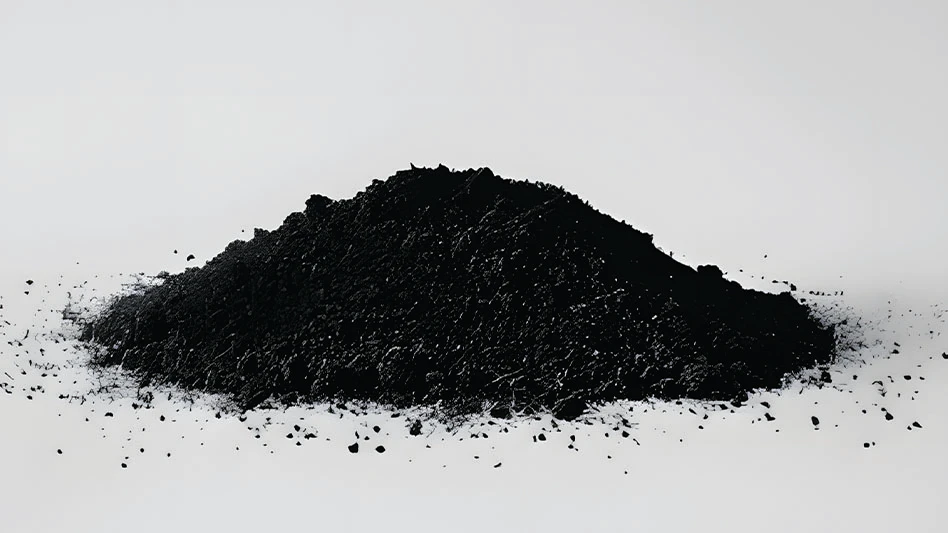
Plastic Energy, London, claims to be the first plastic chemical recycling company to commercialize “char,” a byproduct of its TAC process the company is calling Tacfiller.
The company says the product offers a lower-carbon, circular alternative to carbon black, a material used primarily in rubber manufacturing to improve rubber properties. Plastic Energy notes that its new offering comes as the rubber industry “faces growing pressure” to reduce emissions and comply with regulations such as the European Union’s End-of-Life Vehicles Directive, which mandates higher recycled content and reduce environmental impact in motor vehicle components.
RELATED: Plastic Energy produces first pyrolysis oil at Netherlands plant
Plastic Energy claims Tacfiller presents a scalable and sustainable solution, adding that it is the first product of its kind to be REACH registered (a regulation that applies to the majority of chemical substances that are manufactured in or imported into Great Britain). Acting as a direct replacement for carbon black, the company says it can help the rubber industry to significantly reduce its emissions and meet recycled content targets.
Carbon black is added to rubber to increase its durability, but Plastic Energy notes that its production from fossil fuels is emissions-intensive, contributing between 29-79 million metric tons of CO2 emissions globally each year.
In contrast, the company says its Tacfiller is made from postconsumer plastic scrap, and a life cycle assessment the company conducted the product revealed that its production results in up to 89 percent lower emissions than conventional carbon black.
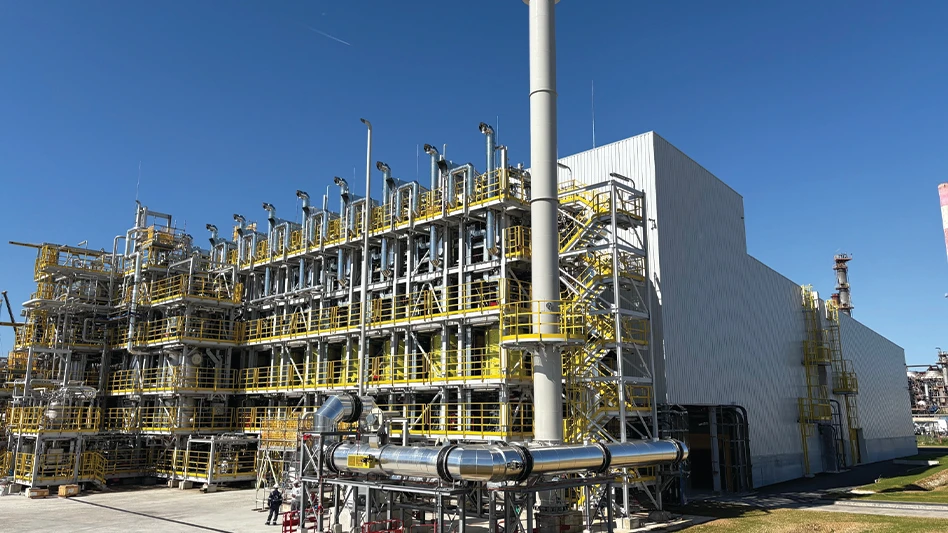
Tacfiller is derived from Plastic Energy’s proprietary TAC chemical recycling process, which converts hard-to-recycle postconsumer plastic into Tacoil, a feedstock used to replace fossil oils in the production of new plastics. The company says its process diverts plastic from landfills and incineration, reduces waste and cuts emissions by up to 78 percent compared to incineration.
The company says the inclusion of Tacfiller brings its potential total recycling rate up to around 90 percent.
“Carbon black is energy intensive, and the rubber industry needs alternatives,” Plastic Energy CEO Ian Temperton says. “We’re proud to lead our industry by creating new circular products from plastic waste. Less than 10 percent of plastic is recycled globally, yet it’s a valuable resource that should be reused.
“Our technology allows us to reduce plastic waste sent to incineration and landfill by finding sustainable uses for it in the manufacture of new plastic—and now rubber. We are offering a pioneering product that is both better for the environment and commercially viable.”
The company says it currently is working with several manufacturers, including Standard Profil, a Germany-based developer of automotive sealing systems, to ensure Tacfiller is fully compatible with Standard Profil’s products.
“We boldly explored the use of Tacfiller to partially replace carbon black in our products,” says Yusuf Güner, group R&D materials senior expert at Standard Profil. “After a series of rigorous trials, we have validated its feasibility and are encouraged by the results. This opens exciting possibilities for future applications, which we continue to evaluate with curiosity and care.”
Latest from Recycling Today
- England's Environment Agency extension provides stability for metal shredding operators
- Schupan names new chief financial officer
- NAW looks ahead to July hearing in Oregon
- Recycle Coach partners with Bartec Municipal Technologies
- EPA proposes abandoned tire cleanup plan with focus on energy recovery
- BIR welcomes new policy officer for trade & environment
- Global Recycling Foundation recognizes Recycling Heroes
- Recycling Today Media Group launches Paper and Plastics Recycling Conference webinar series