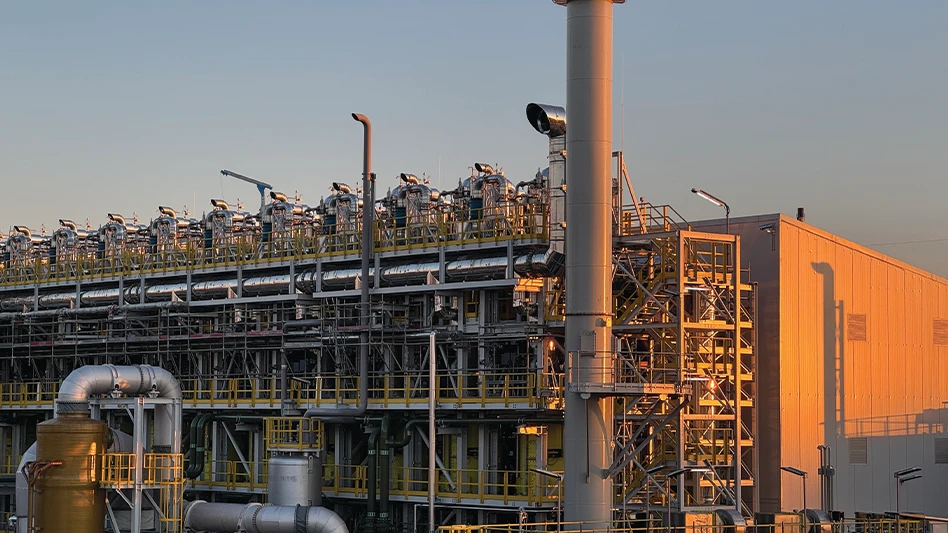
Photo courtesy of Plastic Energy
Chemical recycler Plastic Energy has produced its first batch of Tacoil at its joint venture plant with Saudi Basic Industries Corp. (SABIC) in Geleen, Netherlands, marking a key milestone on the road to full commercial operations.
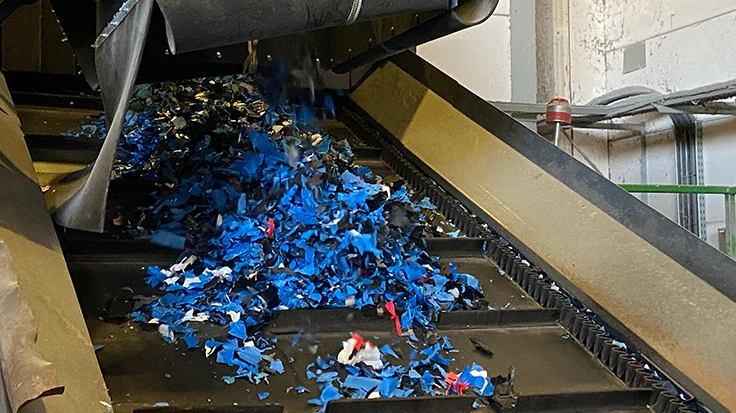
According to London-based Plastic Energy, Tacoil is made from hard-to-recycle postconsumer plastic scrap that otherwise would be incinerated or landfilled and is designed to serve as a replacement for conventional naphtha in existing petrochemical plants, enabling the manufacture of food-contact packaging, medical-grade plastics and other products.
The company says the polymers produced at the plant will significantly increase commercial volumes of circular polymers that have been used by brand owners in a variety of consumer and packaging products since 2019.
Plastic Energy's patented TAC chemical recycling process breaks down mixed plastic scrap using heat in an oxygen-free environment. Once fully operational, the company expects the plant to process 20,000 tons of plastic per year.
Plastic Energy says its technology already is proven at industrial scale at its plants in Spain and is designed to plug directly into the existing plastics value chain. The SABIC Plastic Energy Advanced Recycling (SPEAR) facility, which the company claims is set to be “the first example of a third-party chemical recycling technology being integrated into an existing petrochemical facility,” will help support and enable the European Union’s goal under the Packaging and Packaging Waste Regulation for all packaging to be fully recyclable by 2030.
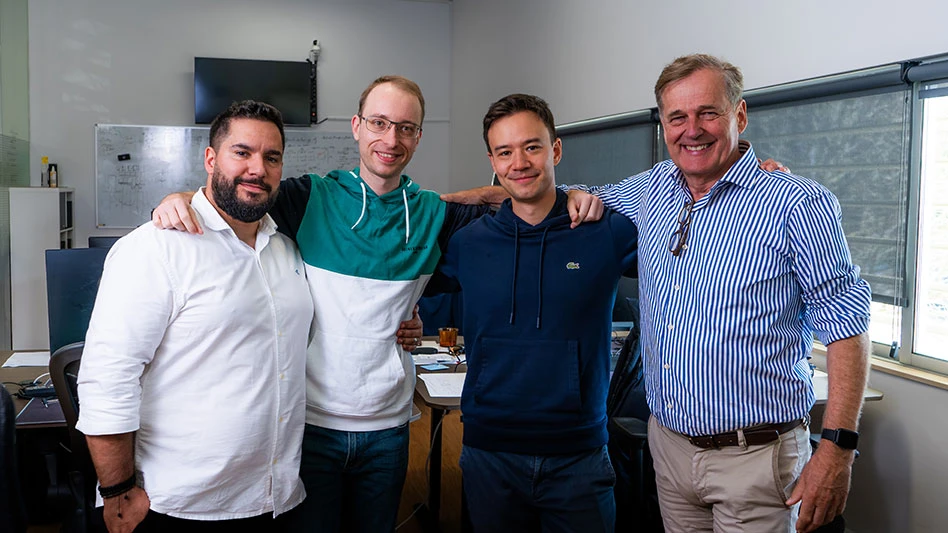
“Producing our first Tacoil at SPEAR is a major step forward for the plastic recycling industry,” Plastic Energy CEO Ian Temperton says. “It underscores the capabilities of Plastic Energy’s technology, the robustness of our process and the dedication of our excellent team. We value the collaboration with our project partner SABIC and are proud to have achieved this milestone together.
“Recycling plastic waste into new plastics is critical to building a circular economy, and that’s exactly what this plant delivers. It boosts recycling rates, helps reduce CO2 emissions by diverting used plastic from incineration and shows what’s possible when innovation meets scale.”
The project is being executed with a Topsector Energy subsidy from the Ministry of Economic Affairs in the Netherlands.
Latest from Recycling Today
- Collective Waste Solutions acquires Alcop Resource Recycling transfer station
- Volatility continues in nonferrous metals
- Neste chemical recycling plant is ready to scale up
- Indonesia’s nickel pig iron spigot reopens
- Ecore says study backs crumb rubber use on sports surfaces
- Fleetio launches AI capability to accelerate fleet maintenance approvals
- The Metals Agency receives approval for export credit insurance
- Recycle Ann Arbor extends drop-off station operating hours