Regional Waste Systems’ (RWS) Recycling Committee has executed a single-stream recycling pilot project in the town of
According to a press release from RWS, nationwide studies have already revealed that larger communities with curbside recycling have increased their recovery rates with the use of single-stream collections and processing technology. These studies also have shown an increase in collection and transportation efficiencies and cost reductions, which were borne out by a pilot project conducted by the city of
RWS was curious if rural residents, who have to bring their trash and recyclables to a transfer station, would also benefit from single-stream technology?
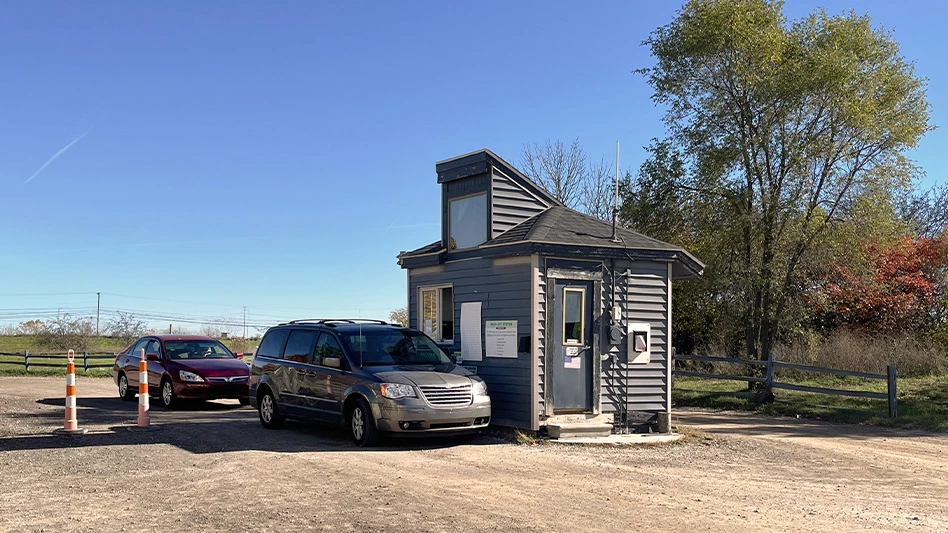
Beginning Dec. 13, 2005 through Jan. 10, 2006, people who arrived at the Lyman Transfer Station were instructed to throw all their recyclables into a single container, rather than into separate containers for plastic, paper and metal. All of the recyclables were thrown into one of the town’s compactors, and the trash was thrown into the other.
Linda Boudreau, RWS director and recycling committee chair, says that Lyman collected more than three times the usual recycling load before having to pay for transportation to the recycling facility in
A town with results similar to Lyman’s could recoup the cost of its compactor in approximately 18 months, according to RWS.
According to Shelley Dunn of RWS, the company as issued a Request for Proposal for single-stream technology, with bids due in mid-March. “The bids are intended to gather real costs so that the owner-communities of RWS can make a decision whether or not to go forward with it,” she says. “Because 15 of our 21 owner-communities have populations under 5,000, it was important to discover whether or not there were real benefits for them.”
Regional Waste Systems is a non-profit solid waste management company serving 27 cities and towns in
Latest from Recycling Today
- ReMA provides economic impact report, industry update
- Collective Waste Solutions acquires Alcop Resource Recycling transfer station
- Volatility continues in nonferrous metals
- Neste chemical recycling plant is ready to scale up
- Indonesia’s nickel pig iron spigot reopens
- Ecore says study backs crumb rubber use on sports surfaces
- Fleetio launches AI capability to accelerate fleet maintenance approvals
- The Metals Agency receives approval for export credit insurance