Recycling Today archives
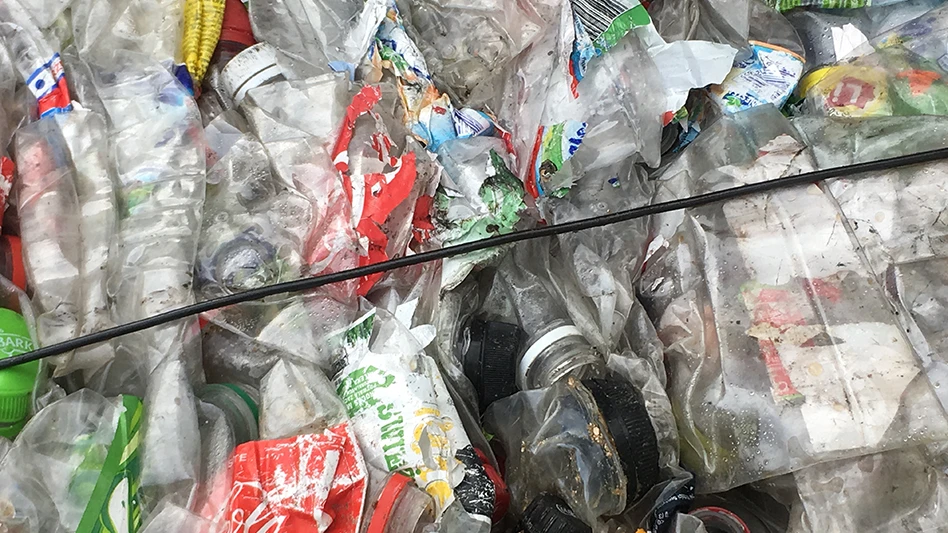
Three Brussels-based recycling organizations, including the European Recycling Industries Confederation (EuRIC), say recent calls for the introduction of a priority access system for recycled plastics in Europe, known as “right of first refusal,” would be detrimental to the development of recycling capacities in Europe, promoting monopolistic control of recycled polymers and going against free market principles.
EuRIC, along with the European Waste Management Association (FEAD) and Plastics Recyclers Europe (PRE), says the right of first refusal idea has been introduced into the public debate on the Packaging and Packaging Waste Regulation proposal (PPWR) in the European Union.
Backers of the idea, which could include bottle producers and brand owners, point to the notion of a recycled-content PET (rPET) shortage in the EU that is affecting the beverage sector.
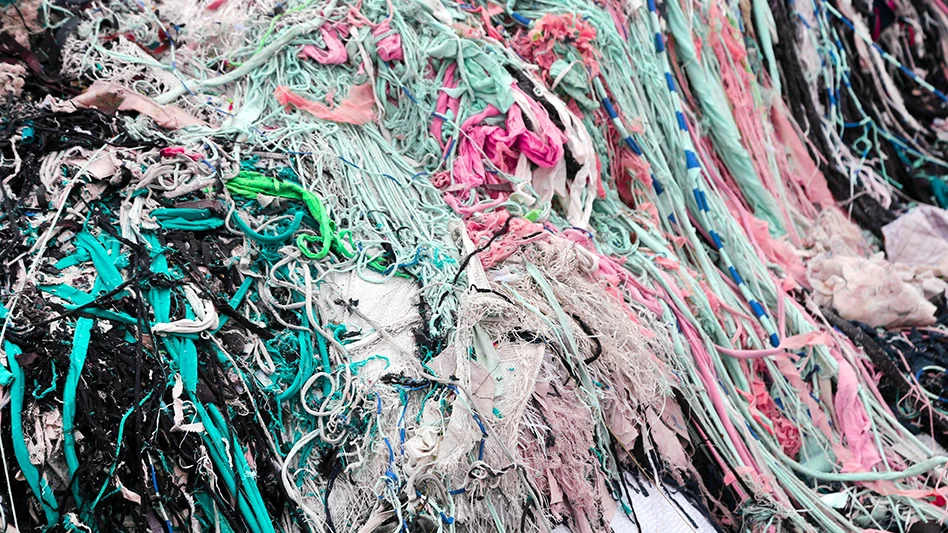
“Supposedly this scarcity is a result of nonbeverage industries, in particular the fiber market, using a significant share of food-contact recycled PET,” the organizations say.
“However, since the introduction of the mandatory recycled content target for PET beverage bottles in the Single Use Plastics Directive, the share of the fiber market has dropped sharply."
Last year in Europe, fiber production accounted for only 5 percent of the total rPET market, as purchasing high-priced food-contact rPET is not financially viable for the fiber industry, according to the organizations. “Consequently, the right of first refusal intends to address an issue of availability which does not exist."
According to EuRIC, FEAD and PRE, the PET recycling industry has already the capacity to satisfy European rPET demand, as it has massively invested in costly food-contact recycling technologies, equating to an increase of over 50 percent between 2019 and 2022.
The installed capacity for food-grade rPET in 2022 stood at 1.4 million tons per year, the groups say, estimating the beverage industry in the EU would require 800,000 metric tons to meet the 25 percent mandatory recycled content target in 2025 and about 1 million tons in 2030.
“The greatest threat to packaging circularity today is the extremely low demand in the EU [for] rPET and major price fluctuations,” the groups say. “The European rPET market is facing a surplus status, with very low demand from the beverage industry, consequently forcing European recycling plants to run well below their capacities.”
That surplus also is linked to an increase in imports of both low-priced virgin PET virgin and imported rPET, according to the recycling associations.
“The beneficiaries of the priority access would be granted a monopolistic power to set prices for recyclates," they add. "Recyclers would have no levers to negotiate recyclates prices at a sustainable level of profitability, and this would stop investment and innovation in the recycling industry.
“Ultimately, EuRIC, PRE and FEAD object to the introduction of the right of first refusal in the legislation. The organizations urge addressing the fundamental bottlenecks in today's plastic packaging circular value chain: the insufficient collection of plastic packaging [scrap] and the lack of design for recycling.”
Latest from Recycling Today
- U.S. Aluminum Co. explores aluminum fabrication plant in Oklahoma
- Sonoco completes portfolio transformation
- Eriez Shred1 data demonstrates scalable copper control
- RCI selects CurbWaste as exclusive operational management platform
- Updated: Supreme Court strikes down IEEPA tariffs
- Recycling Today Media Group launches Scrap Expo Lunch & Learn Webinar Series
- LyondellBasell scales back recycling target
- Former Liberty UK mills eyed by 3 suitors