The Region of Peel, a political district near Toronto with nearly 1.3 million people, has decided to invest in anaerobic digestion as a way to reach an ambitious 75 percent landfill diversion target.
According to an online article by the Mississauga News, a politically realigned regional council has declined to build a larger waste-to-energy plant in Brampton, Ontario, that the previous council had spent more than CA$7 million to research.
The proposed waste-to-energy plant would have converted from 300,000 to 400,000 metric tons annually of municipal solid waste (MSW) to steam or electricity.
A majority of new Region of Peel councillors have voted to commit “to step up waste diversion efforts so that Peel residents are recycling, reducing, reusing and composting 75 per cent of their garbage by 2034,” according to the News article.
The same article also quotes a Peel Waste Management department employee as saying he knows of “no municipality that we’re aware of right now achieving 75 per cent (diversion).”
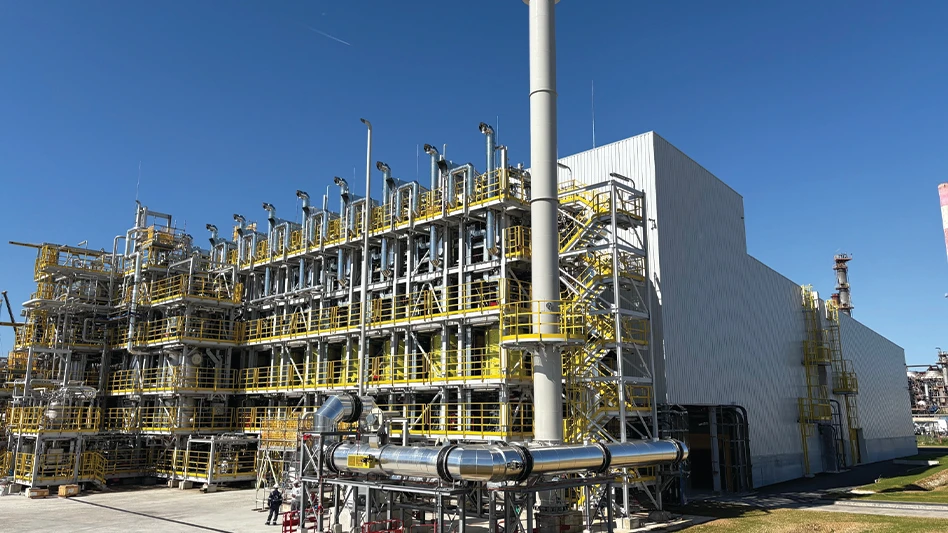
The region is currently diverging about 45 or 46 percent of its MSW from landfill. When the current councillors cancelled the incinerator plan, they adopted a new plan to build an anaerobic digestion (AD) facility that will convert organic waste into natural gas.
After the AD facility comes online in 2021, Peel officials say they are hoping this will help the diversion rate rise to 60 percent as residents grow accustomed to not placing organic materials into their garbage.
Latest from Recycling Today
- England's Environment Agency extension provides stability for metal shredding operators
- Schupan names new chief financial officer
- NAW looks ahead to July hearing in Oregon
- Recycle Coach partners with Bartec Municipal Technologies
- EPA proposes abandoned tire cleanup plan with focus on energy recovery
- BIR welcomes new policy officer for trade & environment
- Global Recycling Foundation recognizes Recycling Heroes
- Recycling Today Media Group launches Paper and Plastics Recycling Conference webinar series