The state of Pennsylvania’s Department of Environmental Protection put out a news release this month, trumpeting a goal the department not only reached, but exceeded. Ahead of time, too.
Pennsylvania set a statewide recycling goal of 35 percent by 2003. And in 2001, 36.1 percent of the state's waste was recycled, the release indicated.
A Democratic lawmaker, however, is accusing the department of misleading calculations, designed to make the recycling rate look higher than it really is. State Rep. Greg Vitali, D-Havertown, alleges that the recycling rate didn't change - only the DEP's accounting practices. The recycling rate for 2000 was about 23 percent, Vitali said. And if the DEP used the same standards for last year, it would have been about 28 percent.
"It's spin, pure and simple," Vitali said.
Vitali said the boosted figures make it easier for the DEP to justify spending money slated for recycling on projects of its own choosing.
But a DEP spokesman, Patrick Paul, disputes the accusation that the agency is distorting its recycling rates.
"True recyclables are what cause this high recycling rate, not smoke and mirrors," Paul said.
The DEP's Web site lists the 2000 recycling rate at 32.7 percent.
Vitali serves on the DEP's Recycling Fund Advisory Committee. That committee is charged with suggesting how the DEP should spend its annual recycling fund, which comes from a $2 surcharge per ton of trash dumped in state landfills.
Vitali said the DEP is doing nothing illegal, but the agency is misleading the public.
Before 1996, he said, the state used its own standards, which included waste such as cardboard, newspapers, glass and plastics.
Then it began using the federal Environmental Protection Agency's standard, which allows it to include more material, such as food waste, tires and wood. Vitali said the state wasn't obligated to use the EPA standard, or any other standard. It just adopted the federal standard because surrounding states used it, which made the standard useful for comparison.
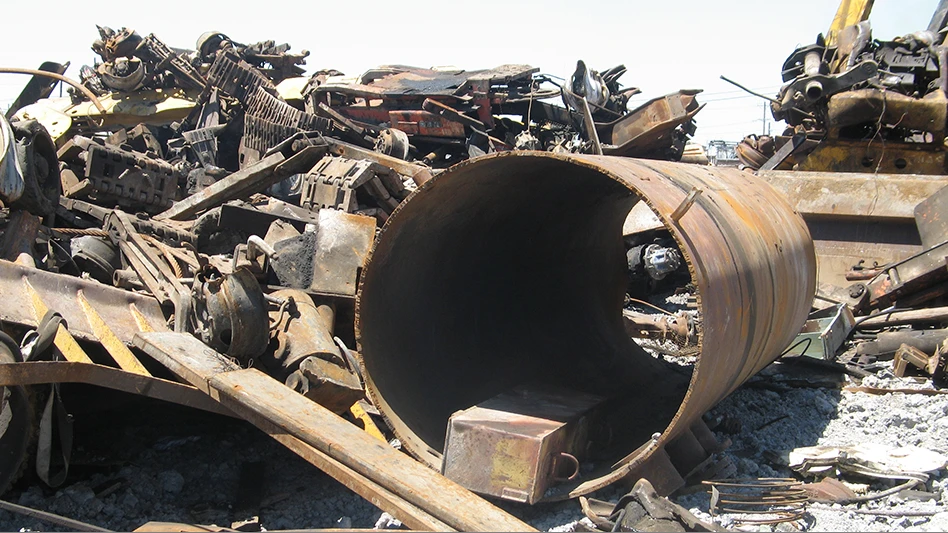
For 2001, however, the state began using a still more inclusive standard that includes materials such as aluminum scrap, furniture and steel drums, Vitali said. And that latter standard is where the 36 percent came from, he said.
Vitali said he suspects the DEP is trying to make its recycling rate look higher in order to justify funding projects not related to recycling with money from the recycling fund. Money from that fund is supposed to go to counties to help with recycling efforts.
But Vitali said the state is siphoning $25 million a year from the fund for other projects, such as Growing Greener - a statewide initiative that includes preserving farmland and open spaces. And if DEP officials can make it appear as though recycling rates are higher than projected, they can more easily claim the recycling fund can spare money.
"I think the DEP's creating the impression that it's OK to siphon off millions of dollars," he said.
Paul, the DEP spokesman, said he was unable to comment on Vitali's accusations about the formulas for calculating recycling rates. But he said that Vitali is flat-out wrong about siphoning money.
Last year, Paul said, the tipping fees generated $51.2 million for the recycling fund, and every cent was spent on recycling pro grams.
Paul said he was unable to give specifics on each type of material recycled. But he said the DEP is always trying to find new forms of recycling to pursue. Recently, for example, the department has begun recycling computers, cell phones, batteries and compact disc players. Paul said these efforts reflect a commitment to recycling, not an attempt to inflate recy cling figures.
"Any time you deal with numbers, anyone can create anything," Paul said.
And that's a big part of the problems between the Recycling Fund Advisory Committee and the DEP, according to Herb Flosdorf, a Lititz environmental consultant who also serves on the committee.
Flosdorf also says the DEP is siphoning money for other projects from the recycling fund. But he can't say whether the DEP is deliberately distorting its recycling rates.
That kind of calculation is inexact by nature, requiring lots of estimation, Flosdorf said. Even taking that into account, the DEP rarely provides his committee with hard numbers, making it difficult for members to tell how much recycling is taking place.
"There is a lot of distrust between a lot of members of the advisory committee and the DEP staff," Flosdorf said. York (Pennsylvania) RecordLatest from Recycling Today
- Danieli to supply shredder to Australian company
- Equipment from the former Alton Steel to be auctioned
- Novelis resumes operations in Greensboro, Georgia
- Interchange 360 to operate alternative collection program under Washington’s RRA
- Waste Pro files brief supporting pause of FMCSA CDL eligibility rule
- Kuraray America receives APR design recognition for EVOH barrier resin
- Tire Industry Project publishes end-of-life tire management guide
- Des Moines project utilizes recycled wind turbine blades