The Pennsylvania Department of Environmental Protection Regional Waste Manager has approved ABC-EZ Moving Co. Inc.’s new construction/demolition waste transfer station in Allegheny County.
“This transfer station will give the company more flexibility in servicing its customers,” said Tony Orlando, EPA’s regional waste manager. “This site will handle only construction and demolition waste in small volumes.”
Construction and demolition waste will be transported to the facility, principally by company-owned trucks. The waste will be dumped on the tipping floor, separated, compacted and then reloaded into transport containers. Recyclable materials will be separated and placed into containers for transport to recycling centers.
The waste will originate from Allegheny County. Approximately 30,000 cubic yards per year, or about 240 yards per day, will be delivered to the facility. The facility will operate from 7 a.m. to 5 p.m. Monday through Saturday. It is expected to operate for 20 years.
In reviewing the transfer station’s permit application, DEP considered the environmental harms and benefits. During an environmental assessment process, the department met with local officials in March 2002 to discuss concerns about the site. Local officials had concerns about spill prevention, waste storage and potential impacts on the community.
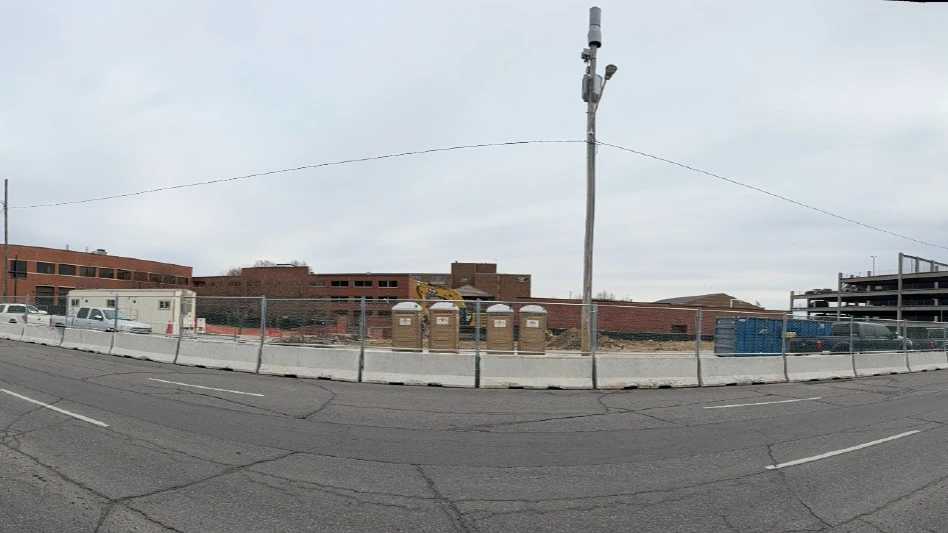
These concerns were addressed by ABC-EZ. The transfer station is situated on property in an industrial setting, which is used for commercial purposes. The location is sheltered well by major streets and large industrial buildings. Additionally, the transfer station operations will be conducted within a building so the operations will be out of sight.
“The transfer station will promote a secure environmental handling and disposal of construction and demolition waste. ABC-EZ will minimize nuisances from its daily operations through the implementation of sound operational practices and monitoring,” Orlando said.
“The benefit of removing recyclable materials from landfills saves space,” he said. “The compaction of waste will reduce the number of trips to the landfill by 40 percent. The reduction in transportation of waste results in additional environmental benefits, including a decrease in the opportunity for environmental problems associated with waste transportation. Therefore, the benefits outweigh the harms.”
The environmental assessment process requires landfills and processing facilities to include a detailed analysis of the potential impact of the proposed facility on the environment, public health and public safety; describe the known and potential harms of the proposed project; include a written mitigation plan that explains how the facility will deal with each known or potential harm and the extent to which any known or potential harms remain after mitigation; and demonstrate that the benefits of the project to the public clearly outweigh the known and potential harms that will remain after the proposed mitigation.
Latest from Recycling Today
- Nashville Waste Services launches new digital route system
- Arconic expands in Iowa
- Cascades invests $6.9M in recycled boxboard plant
- Ocean freight interruptions poised to continue
- Danieli to supply shredder to Australian company
- Equipment from the former Alton Steel to be auctioned
- Novelis resumes operations in Greensboro, Georgia
- Interchange 360 to operate alternative collection program under Washington’s RRA