Irina Drazowa-Fischer
National Waste & Recycling Association (NWRA) Chairman Ben Harvey testified before the U.S. Senate Environment and Public Works Committee during its hearing to examine legislative proposals to improve domestic recycling and composting programs, particularly in rural areas.
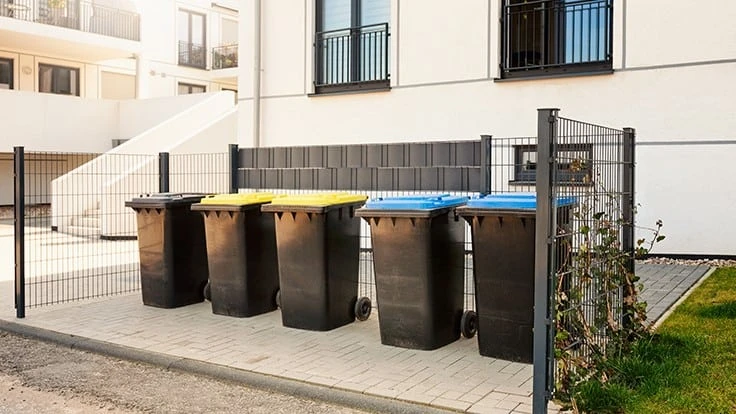
The NWRA, based in Arlington, Virginia, says providing Americans access to recycling provides equity and ensures sustainable materials management across the nation. However, rural areas often have unique challenges in collecting recyclables and accessing recycling markets, leaving these communities underserved.
“We believe rural recycling can be achieved through the ‘hub and spoke’ model, which creates consolidation hubs that service the spokes leading out to small communities,” Harvey said in his testimony. “These recycling hubs, often referred to as transfer stations, are where smaller truckloads of materials can be consolidated into larger truckloads for their final transfer to processing facilities.”
The association says hub and spoke systems reduce transportation and provide much-needed operational efficiency. They also improve recycling access and lower the overall costs for rural areas, thereby making recycling much more viable for these areas.
NWRA also urged support for the Recycling and Composting Accountability Act because it said the law would empower the U.S. Environmental Protection Agency to collect data related to recycling and composting.
“Whatever we do, however, needs to be undergirded with good data. Recycling, composting and waste composition have changed significantly over time,” Harvey said. “As a businessman, it is important for me to be able to make decisions founded on good data.”
The NWRA says it has long supported legislative efforts to increase funding for recycling education and incentivize investments in domestic recycling infrastructure. Most recently, NWRA worked with lawmakers and staff to ensure legislative priorities like the Recycling Enhancements to Collection and Yield through Consumer Learning and Education (RECYCLE) Act were included in the bipartisan infrastructure bill President Joe Biden signed last year.
The RECYCLE Act aimed to increase the quality and quantity of recycled materials. The bill established a consumer recycling education and outreach grant program within the Environmental Protection Agency to clean up America’s recycling stream.
Latest from Recycling Today
- Equipment from the former Alton Steel to be auctioned
- Novelis resumes operations in Greensboro, Georgia
- Interchange 360 to operate alternative collection program under Washington’s RRA
- Waste Pro files brief supporting pause of FMCSA CDL eligibility rule
- Kuraray America receives APR design recognition for EVOH barrier resin
- Tire Industry Project publishes end-of-life tire management guide
- Des Moines project utilizes recycled wind turbine blades
- Charter Next Generation joins US Flexible Film Initiative