Surviving Russian Roulette
The nickel-stainless market—both secondary and primary—continues to monitor activities in Russia as the key to the supply side of the equation.
Speaking to attendees of the Nickel/Stainless/Specialty Metals Roundtable held earlier this fall near Pittsburgh, Dr. E.J. “Jim” Hayes of Abacus Consultancy, Chelmsford, U.K., noted that the nickel/stainless scrap picture has changed dramatically in Europe and the rest of the world with the fall of the Berlin Wall.
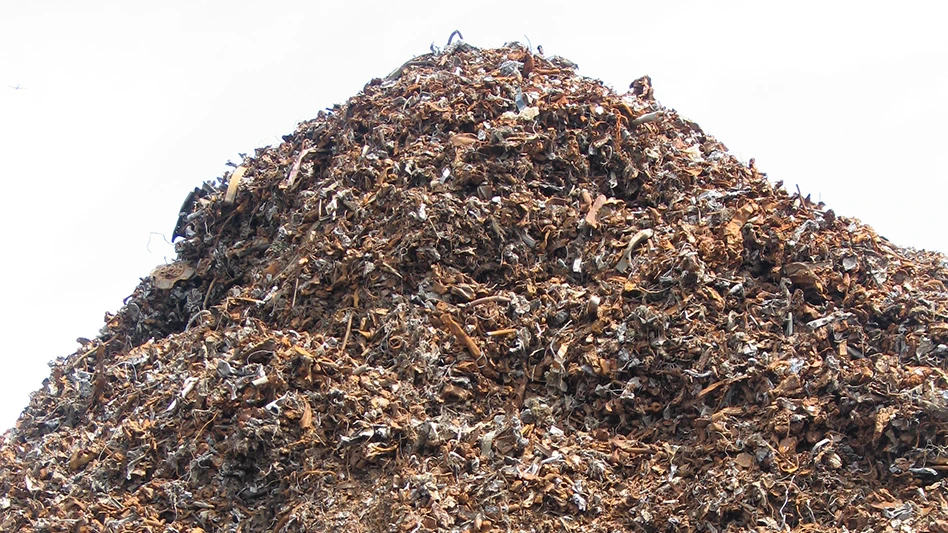
According to Hayes, in 1990 Russia put about 2,000 tons of nickel-bearing scrap on the market. That number has risen throughout the 1990s to reach 346,000 tons in 1997. It was down slightly last year, but still stood at over 300,000 tons.
Although the European production of stainless steel has grown throughout the 1990s, it has not been doing so at the rate to comfortably absorb all of the Russian scrap pouring into the market. Thus, the Russian scrap has been finding its way into markets around the world, keeping prices low through much of the second half of the decade.
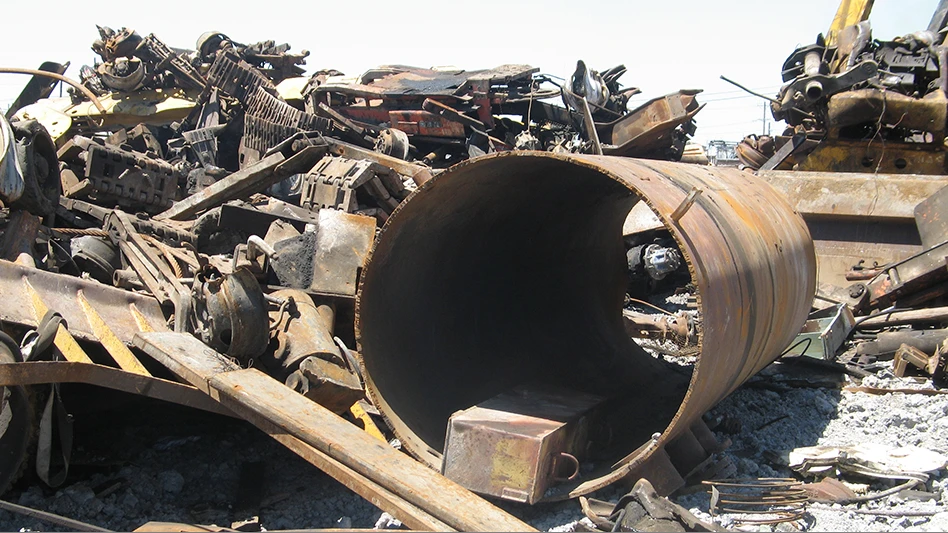
The only reason a slowdown in scrap coming from Russia may be occurring is because there is increasingly less in the way of obsolete factories and buildings left to scrap.
Latest from Recycling Today
- Interchange 360 to operate alternative collection program under Washington’s RRA
- Waste Pro files brief supporting pause of FMCSA CDL eligibility rule
- Kuraray America receives APR design recognition for EVOH barrier resin
- Tire Industry Project publishes end-of-life tire management guide
- Des Moines project utilizes recycled wind turbine blades
- Charter Next Generation joins US Flexible Film Initiative
- Vecoplan to present modular solutions at IFAT 2026
- Terex Ecotec appoints Bradley Equipment as Texas distributor