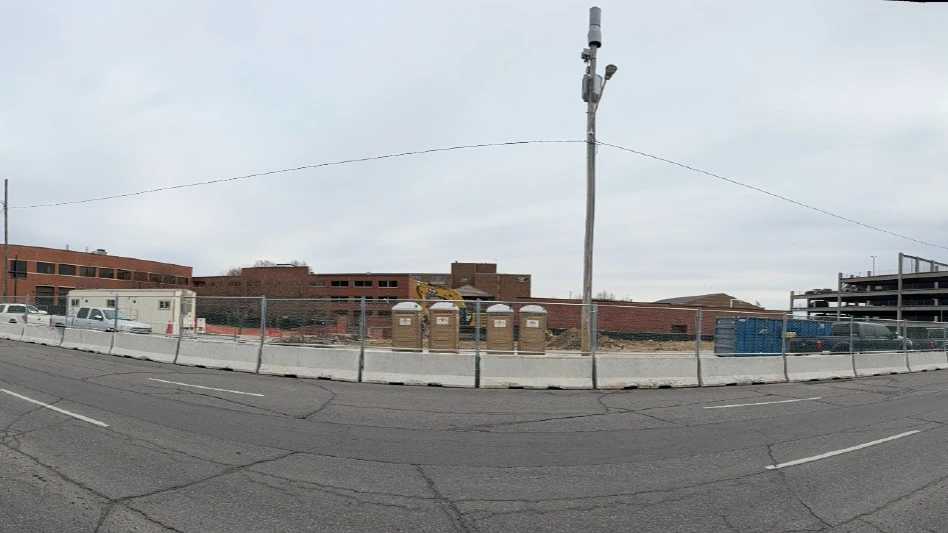
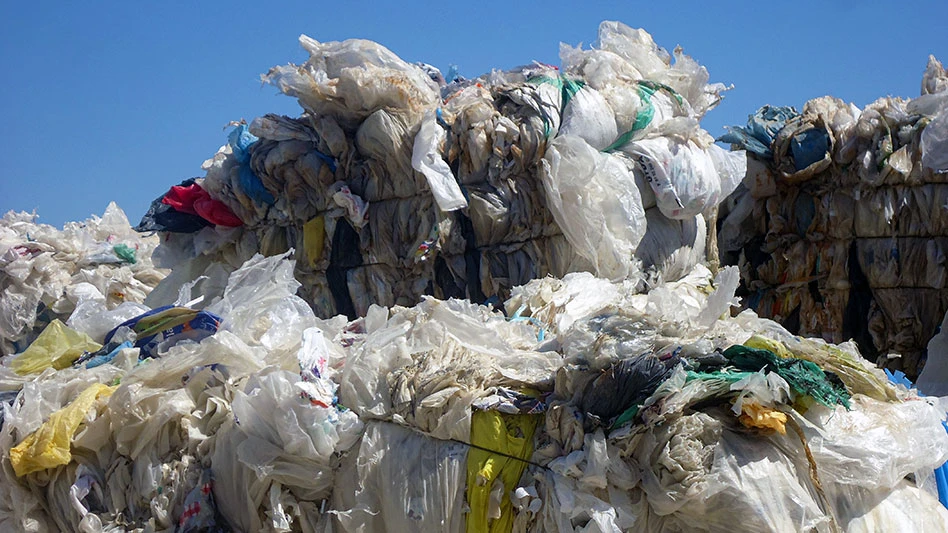
As neighbors in Peekskill, N.Y., fight to close its controversial recycling operation and city officials say the company owes about $150,000 in unpaid fees, Karta Corp. is attempting to turn the tables, saying it is the city that owes it money and that its industrial neighbors are the more serious polluters.
Kenneth Cartalemi, Karta's owner, said the city owes his company about $800,000, money it never paid him for processing city recyclables. Under a 1988 contract between Karta and the city, Peekskill was supposed to either pay Karta for taking certain types of recyclables or allow Karta to dump company refuse at no charge at the Westchester County burn plant on Charles Point Avenue, also known as Resco.
Parts of the Karta corporation are now in bankruptcy. The company's Lower South Street operations are also the subject of ongoing city hearings that were prompted by neighbors' complaints of excessive noise, dust and odor emanating from the plant. The hearings could result in Karta losing its special permit, effectively shutting down the recycling business.
On another front, the company is fighting a recommendation from a Westchester County commission that its waste hauling license be revoked based on Cartalemi's suspected mob ties — a relationship he denies.
Cartalemi acknowledged he never pressed the city to pay a debt that has accrued during the past dozen years. He is changing his position now, because his company is under assault from the same officials that he said once considered the business a plus for Peekskill.
"I have paid a severe price to try and satisfy these (Common Council) people," Cartalemi said. "But I can't satisfy them. The city council has intentionally taken away my right to do business."
In addition to the money, Cartalemi said city officials stalled on approving a 1998 site plan that would have addressed many of the neighbors' complaints by moving much of the Lower South Street operation indoors. As a result of the delay, Cartalemi said, he could not get financing for the project and had to eat up his operating revenue — forcing the company into bankruptcy.
"We have enough evidence to prove that they intentionally stalled the project," Cartalemi said. "I'm incurring a quarter of a million dollars in legal fees for all of the delays Peekskill put on me, for nonpayment, for them not signing (off) on a site plan for two years."
At a July meeting involving city officials, Cartalemi and his lawyer, Cartalemi said he warned that he intended to sue the city over the unpaid debt and his belief that officials conspired to force him out of business.
The city denies any willful conduct against the company, but acknowledges that it owes Karta money, though maybe not in the amount Cartalemi said.
"We have a difference as to who owes what," said James Madaffari, the city manager. "He has us owing thousands of dollars. We don't feel that is correct."
Meanwhile, the city said Karta has failed to pay a $50,000 annual recycling fee for the past several years.
In January, negotiations began between the city and Karta over the 1988 contract in regard to the unpaid recycling fees.
In order to process materials at Resco, Karta needed a letter from the city to the county saying the company could process materials at Resco on the city's account. The company received the letter this year. "To the best of my knowledge, it (a letter from the city) wasn't requested before this year," Madaffari said.
The city is collecting its receipts and agreements with Karta to resolve the confusion over outstanding debts.
"They kept saying they (the city) were going to work out different deals," Cartalemi said. "I was trying to work with them."
Cartalemi's operational practices came into question in 1996, after nearby McKinley Street residents complained of dust, noise and odors coming from the plant at 1011 Lower South St.
"Karta should be shut down because he's trying to process a huge amount of material in a space that's too small," city activist Nick Mottern said. "There's too much traffic and material that's blowing all over the place. It leads to pollution in the air and in the ground."
Karta admitted that, at first, his operation was not particularly clean and said he spent $5 million to make changes at the plant. The 1998 site plan was part of those corrective actions.
Cartalemi paid a $15,000 fine to the state Department of Environmental Conservation this year for unauthorized storage of debris, litter control and a malfunctioning drainage system. Yet, Cartalemi said that neighboring operations, such as the Resco plant and Engelhard Corp., a surface and materials manufacturer, produce far more pollution than Karta does.
The county's garbage-burning plant was the biggest contributor of pollutant emissions out of a survey of 25 county companies, according to a 1996 U.S. Environmental Protection Agency air emissions report. In that year, the plant's emissions accounted for 78.25 percent of all the pollutant air emissions tested. Karta was not included in the study.
A 1996 EPA facility detail report showed that Resco emitted almost 4.8 million pounds of hydrochloric acid in 1996. Hydrochloric acid can cause "eye, nose, and respiratory tract irritation and inflammation and pulmonary edema in humans," the EPA said.
According to state Department of Environmental Conservation records, Resco made changes after 1996. The facility "was retrofitted with updated emissions control equipment in 1998 and 1999," the records show.
Cartalemi said a recent soil test showed that metal-laden dust had come from the Engelhard plants, which are also on Lower South Street. An environmental engineer who testified for Karta at a July 31 hearing said the sample showed substances, like titanium, that would not be present in any of the materials Karta processes. Denis Young of Earth Tech traced those chemicals to Engelhard.
"We've never heard from this company or from the tester," said Ted Lowen, director of communication for Engelhard. "We would like to know if there is a serious issue. If there ever was a possibility of environmental impairment, we would want to know."
Karta's lawyers will continue their defense of the company when the city hearings on its special permit resume at 7:30 p.m. Aug. 28. A hearing on Karta's Westchester County waste-hauling license has been adjourned until the fall, county officials said. The (New York) Journal News.
Latest from Recycling Today
- Ocean freight interruptions poised to continue
- Danieli to supply shredder to Australian company
- Equipment from the former Alton Steel to be auctioned
- Novelis resumes operations in Greensboro, Georgia
- Interchange 360 to operate alternative collection program under Washington’s RRA
- Waste Pro files brief supporting pause of FMCSA CDL eligibility rule
- Kuraray America receives APR design recognition for EVOH barrier resin
- Tire Industry Project publishes end-of-life tire management guide