Image courtesy of Trivium Packaging.
With the COP30 global climate summit approaching, now is the time for businesses and consumers alike to take a step back and confront how we handle materials, packaging and waste.
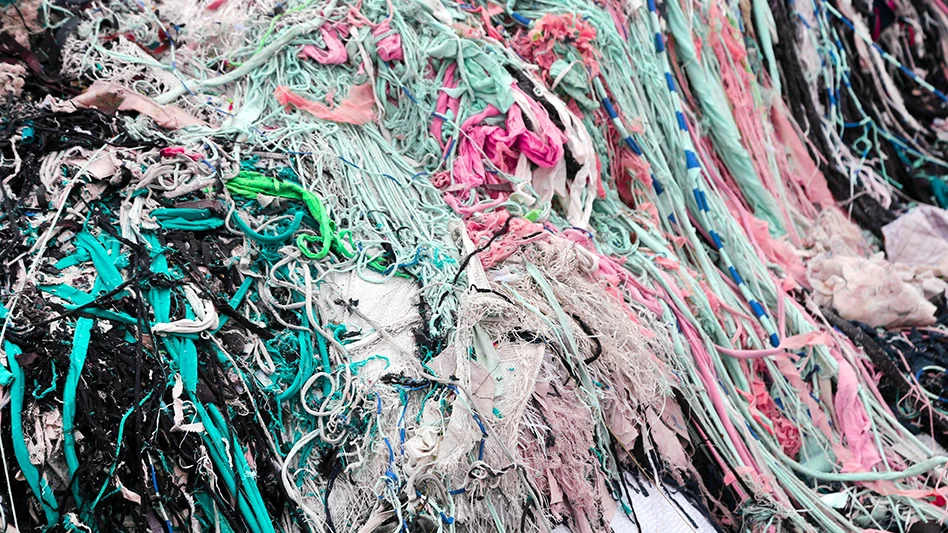
The numbers tell a sobering story. Globally, we create 57 million tons of plastic pollution every year. Even if every piece of packaging labeled “recyclable” actually made it through the system—which it doesn’t—recycling rates would top out at only 25 percent. That’s a massive gap.
This isn’t news to consumers. They’ve been told for years that recycling is the answer, yet they still see landfills overflowing and beaches littered with plastic bottles. So, it’s no surprise that frustration is rising. People want to support brands that are part of the solution, but they’re tired of being misled.
Data from Netherlands-based Trivium Packaging’s Global Buying Green Report, alongside a recent survey from the Conscious Consumer, paints a clear picture: nearly half of consumers (49 percent) stop buying from brands when they suspect greenwashing or see vague sustainability claims. Among the most environmentally conscious shoppers, that figure jumps to a staggering 87 percent.
But here’s the flip side—there’s a huge opportunity for brands that get it right. That same report found 87 percent of consumers are willing to pay more for products from brands they trust. Trust is the ultimate currency in today’s marketplace.
Consumers say they want honesty and transparency, and many do. But there often is a gap between intention and action. People may express strong preferences for sustainable packaging, yet their actual purchasing decisions are influenced by convenience, price and habit. That’s why it’s not enough for brands to simply say they’re sustainable; they must make it easy for consumers to follow through.
When companies take real, visible action and communicate clearly while removing friction from the process, people notice. And when the experience aligns with their values, they are far more likely to reward that effort with trust, loyalty and repeat purchases.
Companies can start making meaningful change by focusing on three big shifts: embracing circular systems, collaborating across the value chain and choosing materials that get recycled.
Rethinking the system: From linear to circular
For decades, most businesses have operated on a simple model: take resources, make products and, when those products are used up, toss them out. This model is efficient in the short term but is inherently wasteful.
Circular systems are changing the way we think about packaging and waste. Instead of a “take, make, dispose” model, these systems keep materials in circulation longer and at a higher value. This might take the form of closed-loop production, refillable packaging, takeback programs, repair pathways or even product-as-a-service models. The advantages build quickly. They reduce environmental impact, create stronger and more resilient supply chains and signal to customers that a brand is serious about stewardship and sustainability.
One example of a circular packaging solution is Rainforest Water, which partnered with Trivium to avoid the use of plastic and set an example in the beverage industry. Together, they created a recyclable aluminum bottle that can be refilled and reused multiple times. The bottle includes an internal lining to preserve the taste and quality of the water, has zero plastic elements in the design and is unlike any packaging they have used before.
Consumers are paying attention to where their products come from and where they end up, and metal packaging is a standout example of how circularity can work in practice. As a global leader in metal packaging with 61 locations around the globe, Trivium aims to protect, promote and preserve the products that millions of people around the world rely on every day through their infinitely recycled metal.
Unlike many plastics that degrade after a single use, metal can be recycled endlessly without losing its quality—making it infinitely recyclable. Given the high demand for metal scrap and the fact that it’s easily sorted among other types of materials due to its magnetic properties, metal packaging has consistently high recycling rates globally. When brands transition their products into packaging formats that are not only widely collected but also actually processed at scale, they make an immediate dent in waste. At the same time, they send a powerful message: this is a long-term commitment to sustainable practices, not just a passing trend.
Collaboration: Turning ideas into action
No matter how well a circular system is designed, it can’t succeed in isolation. A package that technically is recyclable is only part of the equation—it also has to move through a network that supports it. That means suppliers who can source lower-carbon materials, recyclers equipped to handle different packaging formats and policymakers willing to create clear, consistent rules.
Consumers are the final link in the sustainability chain, and their role is just as important as that of suppliers, manufacturers or policymakers. For a circular system to truly work, people need to understand exactly what to do with packaging—and feel that their effort makes a difference.
That’s easier said than done. Recycling rules vary wildly from place to place. A container labeled “recyclable” in one city might end up in the trash in another. Instructions often are confusing, leaving even the most motivated consumers unsure of whether they’re helping or hurting. When the system is inconsistent, frustration builds and valuable materials that could have been recovered are lost.
To counter misinformation about metal packaging, Trivium collaborated with Metal Packaging Europe in the development of the Metal Recycles Forever logo. The logo is designed to be placed on metal packages and communicates to consumers that the package is infinitely recyclable.
Choosing materials that truly recycle
Honesty is just as important as innovation when it comes to sustainable packaging. Today’s consumers are informed and skeptical. They’ve seen plenty of lofty environmental promises fall flat and they quickly spot anything that feels like greenwashing. A vague claim like “recyclable,” especially when paired with a tiny asterisk and a long list of exceptions, does more harm than good. Instead of building trust, it raises doubts and frustration.
To earn confidence, brands must be clear about what can and cannot be recycled. If a package isn’t accepted everywhere, say so plainly and explain the plan to improve access. If it is widely recyclable, provide simple instructions, such as rinse lightly, keep the cap on and recycle curbside. This clarity empowers consumers and prevents contamination—a major issue that can send entire loads to landfills.
Youtheory is a great example of a company that not only uses recyclable materials but also effectively communicates to consumers how to recycle their product. Trivium collaborated with Youtheory to create a threaded aluminum bottle for its ocean-friendly omega supplement, and through its partnership with How2Label, Youtheory provided specific instructions on the recyclability of each component of the package.
Progress over perfection
By reducing waste in ways consumers can see and understand, brands not only protect the planet—they also strengthen relationships with the very people whose choices make a circular economy possible, fostering trust, loyalty and long-term engagement that drives lasting, meaningful change and supports a more sustainable future for everyone.
Alice Bazzano is the sustainability director of Amsterdam-based Trivium Packaging, which develops a wide range of metal packaging products for a global customer base. To learn more, visit the Trivium Packaging website.
Latest from Recycling Today
- U.S. Aluminum Co. explores aluminum fabrication plant in Oklahoma
- Sonoco completes portfolio transformation
- Eriez Shred1 data demonstrates scalable copper control
- RCI selects CurbWaste as exclusive operational management platform
- Updated: Supreme Court strikes down IEEPA tariffs
- Recycling Today Media Group launches Scrap Expo Lunch & Learn Webinar Series
- LyondellBasell scales back recycling target
- Former Liberty UK mills eyed by 3 suitors