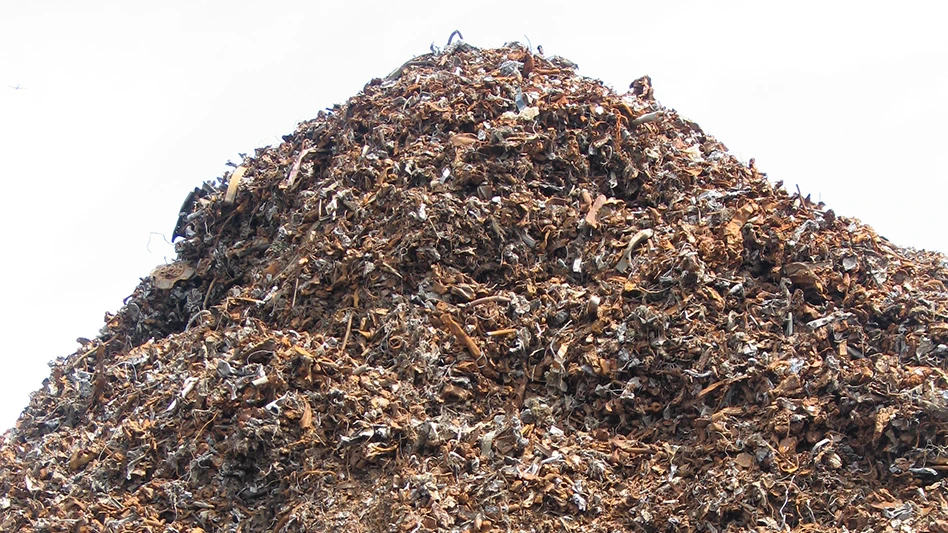
The South Portland, Maine, City Council passed by a 5-1 vote the first reading on two new regulations for scrap metal recyclers in the city. The vote took place Oct. 3. A final reading and vote is scheduled for Oct. 17.
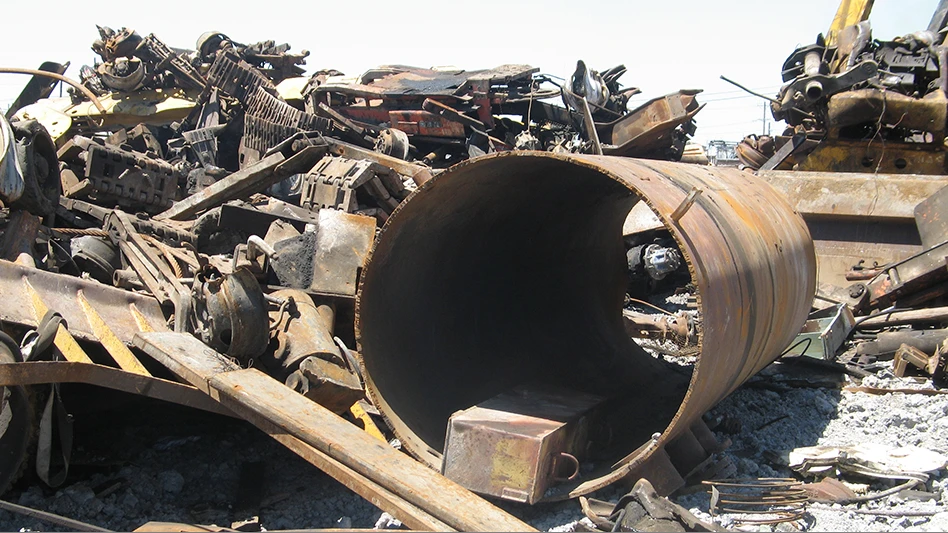
The vote reflects concern over the growth in the number of scrap yards, junkyards, auto graveyards, and other similar types of businesses to the city.
The Council meeting addressed two points: changing the zoning of a certain area of the city, and changing the licensing requirements for companies involved in metal recycling, automobile salvage, or junkyard operations.
According to the first reading, companies that fall under the definitions covered in the Council Meeting would have to meet a number of criteria, including having adequate screening if located within a certain distance from highways or homes; have a noise control plan in place; a description of the method of handling the metals or other materials, among other standards.
During the City Council meeting, it also was passed to limit new automobile graveyards or junkyards. An approval may not be granted for an automobile graveyard or junkyard established after Oct. 3, 1973 and located within 100 feet of any highway.
The second component involving scrap yards that was voted on and passed was a proposed amendments involving licenses, permits and business regulations. This amendment sets the fees for a license and standards for issuance.
According to local press reports, the city put a moratorium on new scrap yards after New England Metal Recycling expressed interest in relocating to the city.
Even with the new rules in place, the yard's relocation would face hurdles, according to MaineToday.
The council still has a moratorium on new yards until February. And New England Metal Recycling must get Planning Board approval and a license from the city before moving.
The new regulations would limit hours of operation to 7 a.m. to 7 p.m., prevent an operation from being within 1,000 feet of homes, and forbid truck drivers from lining up to get into the site.
Latest from Recycling Today
- Danieli to supply shredder to Australian company
- Equipment from the former Alton Steel to be auctioned
- Novelis resumes operations in Greensboro, Georgia
- Interchange 360 to operate alternative collection program under Washington’s RRA
- Waste Pro files brief supporting pause of FMCSA CDL eligibility rule
- Kuraray America receives APR design recognition for EVOH barrier resin
- Tire Industry Project publishes end-of-life tire management guide
- Des Moines project utilizes recycled wind turbine blades