Photo courtesy of the Lubricants Packaging Management Association
Under the state’s extended producer responsibility (EPR) law, the Colorado Department of Public Health and Environment has approved an individual program plan (IPP) from the Lubricants Packaging Management Association (LPMA).
The move makes the LPMA the first industry-led producer responsibility organization (PRO) to secure approval under Colorado’s EPR law, according to the association, and gives producers the choice to comply through independent programs rather than what LPMA calls “a single, one-size-fits-all PRO.”
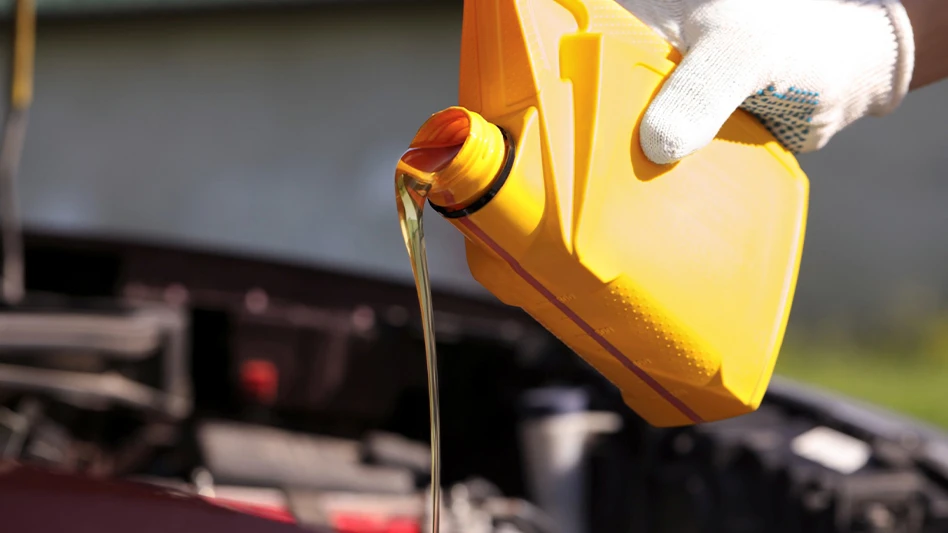
LPMA’s approved IPP will manage petroleum- and automotive-related packaging, including oil and antifreeze containers, through a compliance model built by the lubricants industry.
“In my experience with EPR, it’s quite important that the focus is on results,” says David Lawes, CEO of LPMA. “The law shouldn’t prescribe how the results are met, but instead allow industry to be creative and innovative in developing a program that is highly accountable to the results.
“Colorado’s EPR approach, allowing independent programs and providing producers with choices on how to comply, is best in the country. It sets the national benchmark for how producer responsibility can be done right.”
According to LPMA, the approval of its IPP underscores the value of independent, sector-specific compliance models.
Lubricant packaging presents distinct challenges, including residual product and hazardous material handling, that LPMA says general-purpose packaging programs—those serving all consumer packaging—are not equipped to address.
“LPMA’s model ensures compliance solutions that are safe, practical and effective,” the association says.
LPMA is active in other states with existing EPR laws, including California, Maine, Minnesota, Vermont and Oregon, and says it is preparing for additional rollouts as legislation expands nationwide.
With approval secured in Colorado, LPMA will begin producer onboarding and operational ramp-up under the approved IPP, supported by what it says is transparent reporting, state-aligned performance targets and member engagement, and notes it will continue working with regulators and stakeholders to ensure smooth implementation ahead of program launch in spring 2026.
“Colorado’s approval shows what’s possible when regulators and industry collaborate,” Lawes says. “By working together, producers can cost-efficiently address our unique packaging needs and develop circular solutions.
“This approval is a win for producers, for Colorado and for the future of EPR in the United States. Colorado has shown real leadership by giving producers choice and flexibility, and LPMA is ready to prove that industry-led programs deliver the best results through an efficient, science-based, and results-driven compliance pathway that also fosters innovation in recycling.”
LPMA was founded by five petroleum companies: BP Lubricants USA Inc. (Castrol), Chevron U.S.A. Inc., ExxonMobil Oil Corp., Pennzoil-Quaker State d/b/a SOPUS Products (Shell), and VGP Holdings LLC (Valvoline).
The association was created in response to the passage of EPR laws in several states and developed a strategy to ensure petroleum and automotive products are responsibly managed as EPR laws expand across the U.S. Together, the association says it is committed to advancing sustainable practices, protecting industry interests and contributing to global circularity goals.
Latest from Recycling Today
- England's Environment Agency extension provides stability for metal shredding operators
- Schupan names new chief financial officer
- NAW looks ahead to July hearing in Oregon
- Recycle Coach partners with Bartec Municipal Technologies
- EPA proposes abandoned tire cleanup plan with focus on energy recovery
- BIR welcomes new policy officer for trade & environment
- Global Recycling Foundation recognizes Recycling Heroes
- Recycling Today Media Group launches Paper and Plastics Recycling Conference webinar series