Oleg Fedorenko | Dreamstime.com
A high court in London has placed Liberty Speciality Steel UK Ltd. (SSUK), part of the financially troubled GFG Alliance, into compulsory liquidation, ruling in favor of a technique favored by GFG creditors and the government of the United Kingdom.
In response, Liberty Steel and the GFG Alliance have called the ruling “irrational.” Lawyers representing the creditors, however, say interested third parties can offer a brighter future for the steelmaking facilities compared with a GFG-organized rescue attempt.
A lawyer for the creditors presented the court with a letter from the U.K. Department for Business and Trade displaying asset acquisition approaches made by third parties, according to an online report by The Guardian.
“The court heard the third parties had ‘expressed an interest in returning some or all of the sites to steelmaking,’ which was the ‘government's desire,’” writes the newspaper, saying the letter indicated an orderly compulsory liquidation may be one way of ensuring steel production restarts.
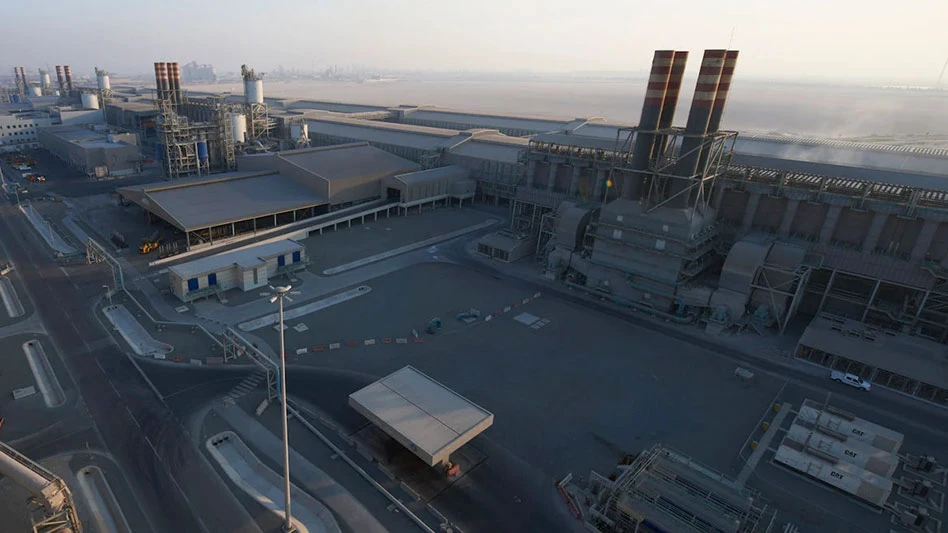
The Liberty SSUK assets include a recycled-content electric arc furnace (EAF) mill in Rotherham, England, and additional facilities in Stocksbridge and Wednesbury, England.
The move marks the further dismantling of a global metals production empire assembled in the 2010s and early 2020s by Gupta and GFG.
In moves precipitated by the collapse of Greensill Capital in 2021, a financial firm that had backed GFG’s acquisitions and ongoing operations, GFG production facilities in Australia, Europe, the U.K. and the United States subsequently all have come up against cash flow and creditworthiness issues, sometimes leading to plant closures and selloffs.
Earlier this year, the government of the state of South Australia placed GFG/Liberty blast furnace/basic oxygen furnace (BOF) operations there into administration, saying the action was taken to secure the long-term future of the steelmaking complex.
In Europe, various mills have been reported as idled for brief or lengthy stretches, with trade unions there decrying the financial and operational state of GFG facilities. The GFG purchase of former ArcelorMittal mills Europe also has been the subject of a lengthy collections-focused lawsuit.
In the U.S., government intervention has not been part of the story, but a Liberty-owned former EAF mill in South Carolina now is being dismantled while another in Illinois reportedly has been idle for stretches of time.
In the U.K., similar reports of downtime and credit and cash flow woes have circulated regarding Liberty mills there, with the recent court ruling based on a case pressed by unpaid creditors.
Despite the questionable track record, in an Aug. 21 statement, Liberty Steel and its Chief Transformation Officer Jeffrey Kabel expressed disappointment in the London high court ruling.
“The decision to push SSUK into compulsory liquidation, especially when we have support from the world’s largest asset manager to resume operations and facilitate creditor recovery, is irrational,” says Kable, referring to the reported potential involvement of New York-based BlackRock.
“The plan that GFG presented to the court would have secured new investment in the U.K. steel industry, protecting jobs and establishing a sustainable operational platform under a new governance structure with independent oversight.”
In the court proceedings, according to the BBC and other reports, creditors focused instead on how SSUK had not published financial statements since 2019 and its direct parent company, based in Singapore, was itself subject to insolvency proceedings.
"The government will now be responsible for the operational and financial risks of the company, which has produced next to no steel for over a year," the BBC adds.
Latest from Recycling Today
- Fleetio launches AI capability to accelerate fleet maintenance approvals
- The Metals Agency receives approval for export credit insurance
- Recycle Ann Arbor extends drop-off station operating hours
- Sybilion seeks to help manufacturers confidently address volatility
- Rio Tinto, Prysmian partner on low-carbon aluminum solutions for data centers
- Unilever criticized for plastics approach
- USTR to study additional steel, aluminum tariffs
- Electrified Materials adds processing capacity