In anticipation of a new car recycling law slated to take effect in January 2005, eight Japanese automakers are planning to integrate the disposal and recycling of shredder dust from scrapped vehicles.
The companies, which include Nissan Motor Co., Mazda Motor Corp., and Mitsubishi Motors Corp., are expected to officially announce the tie-up as early as the middle of this month.
Toyota Motor Corp. and Honda Motor Co., which are not part of the initiative, are close to inking their own recycling deal.
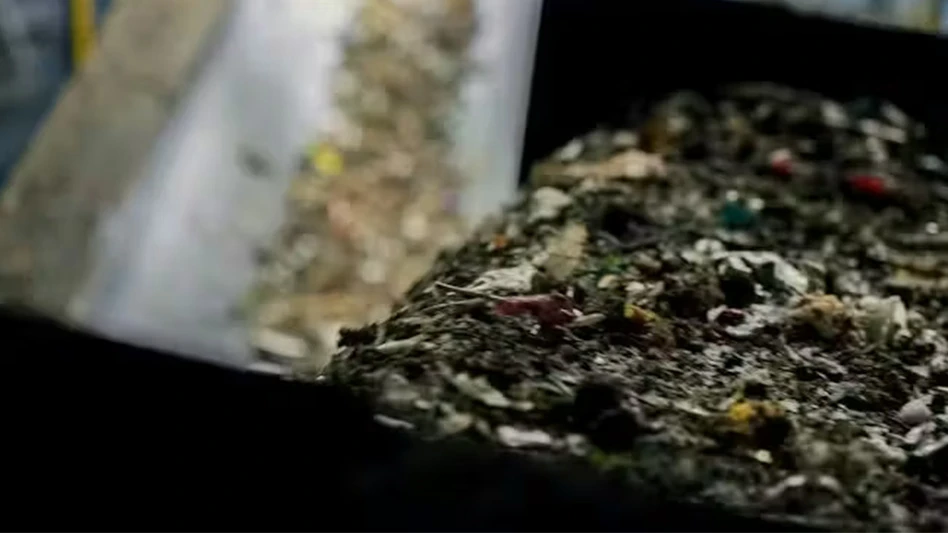
While tires, bumpers and some metal parts currently get recycled, parts made of glass, resin and plastic, which form shredder dust, are usually buried because of the high cost of recycling them.
The eight automakers hope to cut recycling costs by combining all the shredder dust they produce and disposing of it in bulk. Such cost-cutting measures would also reduce the burden on the part of consumers, who shoulder the recycling costs by paying extra when purchasing a vehicle.
The eight companies plan to set up a committee by the end of the year at the earliest to discuss how to manage their recycling operations. Currently in negotiations with authorities, they aim to launch their joint recycling operations early next year, the sources said.
The eight plan to outsource the recycling work, such as the collection of shredder dust, as well as contractual issues with recycling businesses.
The companies plan to conduct joint research on ways to recycle shredder dust, including how to reuse the scraps as resources for heat generation.
Land available for reclamation is shrinking, which has increased the cost of burying shredder dust.
According to the Ministry of Economy, Trade and Industry, about 5 million cars go out of service domestically each year, of which 1 million units are exported overseas. Disposal produces between 550,000 and 800,000 tons of shredder dust annually. AsahiLatest from Recycling Today
- Vinyl Institute launches enhanced recycling directory
- McNeilus introduces AI material contamination detection technology
- Closed Loop report identifies opportunities to increase prescription pill bottle recycling
- Organics Recycling Conference 2026: Q&A with keynote speaker Andy McNeill
- CMRA selects Vietnam for 2026 event
- Steel Dynamics foresees profitable Q1
- AF&PA joins NAW lawsuit in Oregon
- California’s ‘Truth in Labeling’ law faces federal suit