Although electronic media and information transfer has put limits on paper consumption in
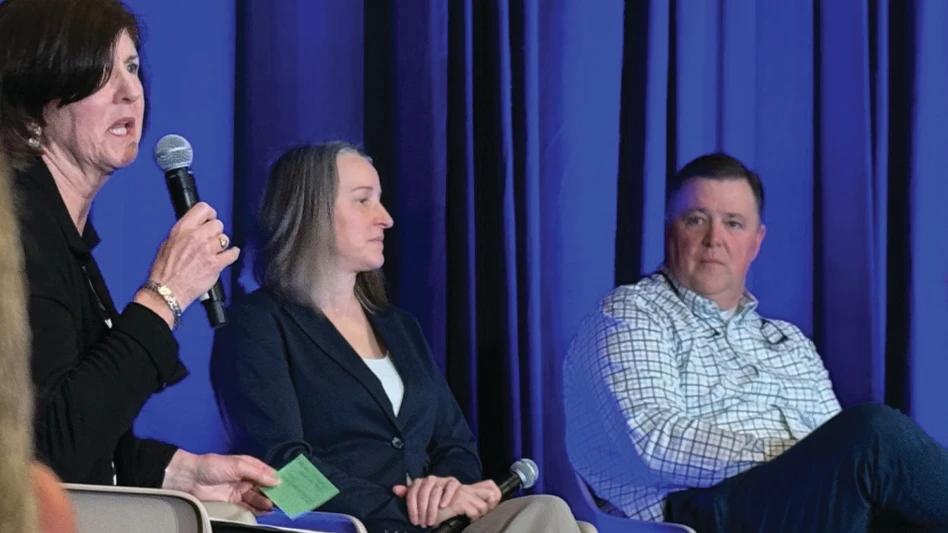
In a session at the ISRI (
Kevin Duncombe of Western Pacific Pulp and Paper,
In
Additional cost pressures include an increase in diesel fuel costs in
Among potential solutions noted by Duncombe were the use of alternative fuel vehicles and the proposed construction of a maglev rail-to-port system in
Recovered fiber broker Ranjit Baxi of J&H Sales International Ltd.,
Outbound shipping costs from Europe have escalated even higher than what American recyclers are experiencing, according to Baxi, with a sudden boost in container shipping rates having occurred in Europe in October 2007.
Both Duncombe and Baxi urged increased dialog between North American and European recovered fiber exporters as a way to ensure that shippers do not “play” one market off the other.
On the ground in North America, Steve Potter of CSX Rail,
Potter pointed to J.D. Power & Associates study results that have shown CSX growing steadily in customer satisfaction between 2004 and 2008.
He also pointed to the fuel efficiency of railroads as a reason why rail should continue to grow in cost-efficiency. One gallon of diesel fuel carries a ton of freight 423 miles by rail, according to Potter. “If 10 percent of truck freight moved to rail, that would save one billion gallons of fuel [each year],” said Potter.
The ISRI 2008 Annual Convention took place April 7-10 at the Mandalay Bay Resort & Casino in
Latest from Recycling Today
- Greenwave raises revenue but loses money in Q2 2025
- Recycled steel prices hold steady
- EY says India’s need for scrap imports will continue
- Coming full circle
- Amcor, DCM introduce fertilizer packaging with 35 percent recycled content
- Comstock Metals gets closer to commissioning commercial-scale solar panel recycling facility
- Washington selects Circular Action Alliance as PRO
- Smurfit Westrock expands in Latin America