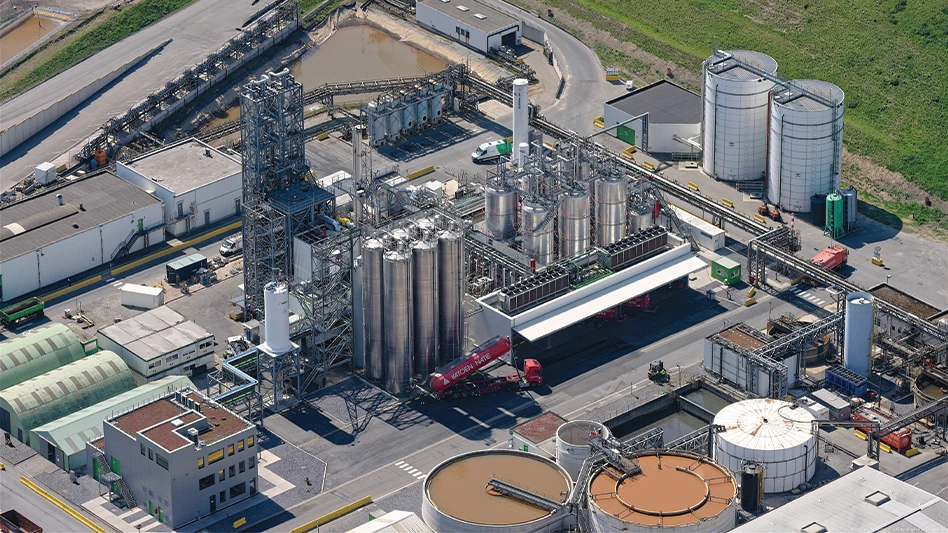
Photo courtesy of Ineos Styrolution
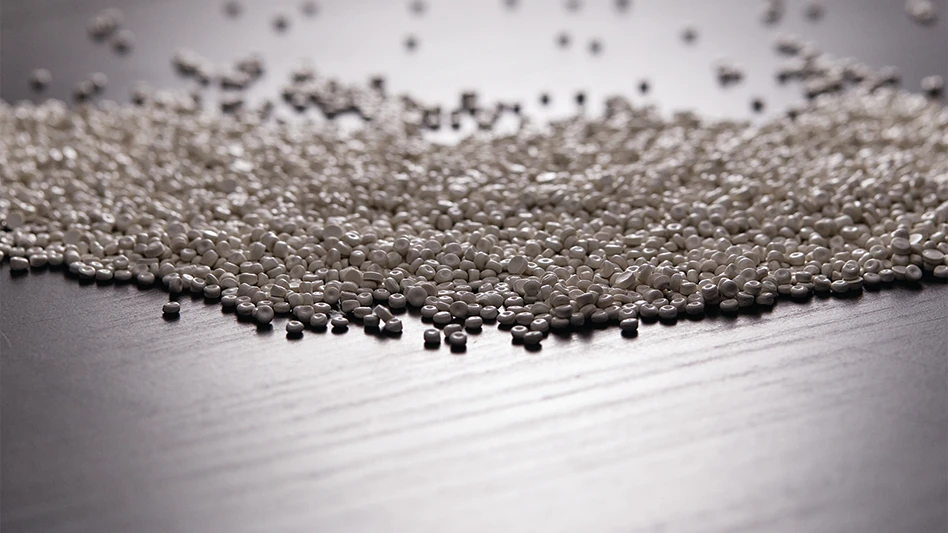
Ineos Styrolution says the first truckloads of recycled styrene monomer have arrived at its Antwerp, Belgium, site.
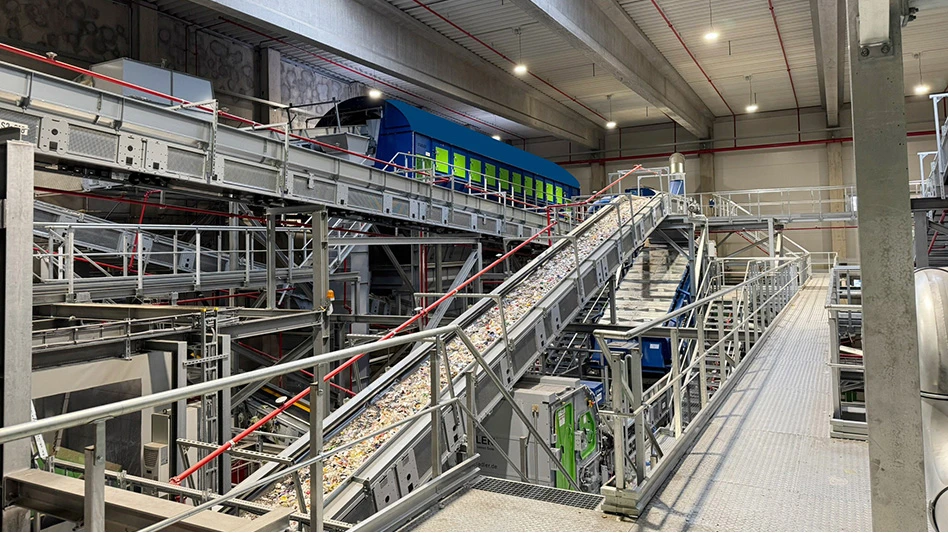
According to Ineos, the material has been supplied by Indaver, also based in Antwerp, from its new chemical recycling facility. The companies claim the facility, which was inaugurated Sept. 25, is the first in Europe dedicated to polystyrene (PS) recycling. The material shipped to Ineos’ site will enable the production of PS and other styrenics, including for food-grade, transparent and medical applications.
Ineos says this recycled feedstock adds to its styrenics portfolio, which already comprises mechanically recycled and bio-attributed grades.
“We are pleased that we can now offer styrenics from depolymerization at market scale,” says Rob Buntinx, president EMEA at Ineos Styrolution. “This gives our customers more sustainable options to lower their environmental footprint without compromising product quality or performance.”
Ineos says the delivery of recycled styrene highlights that the material can be broken down to its original monomer and rebuilt for high-value use, and that depolymerization also is more energy efficient than other chemical recycling methods such as pyrolysis.
“With Plastics2Chemicals, Indaver is pioneering in the circular economy and advanced chemical recycling,” says Erik Moerman, sales and development director at Plastics2Chemicals.
“By converting hard-to-recycle plastics into virgin-quality feedstock such as styrene, we are closing the loop and offering a sustainable alternative to fossil resources. Our in-house developed technology, combined with strategic partnerships and continuous innovation, enables us to deliver high-purity materials for demanding applications like food packaging—proving that circularity and performance can go hand in hand.”
Latest from Recycling Today
- U.S. Aluminum Co. explores aluminum fabrication plant in Oklahoma
- Sonoco completes portfolio transformation
- Eriez Shred1 data demonstrates scalable copper control
- RCI selects CurbWaste as exclusive operational management platform
- Updated: Supreme Court strikes down IEEPA tariffs
- Recycling Today Media Group launches Scrap Expo Lunch & Learn Webinar Series
- LyondellBasell scales back recycling target
- Former Liberty UK mills eyed by 3 suitors