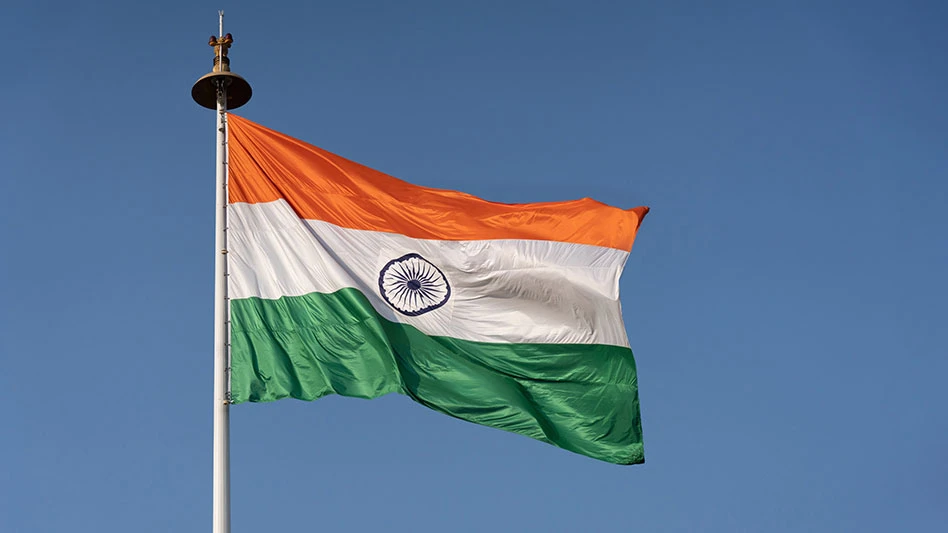
The Indian government announced plans to bar the import of plastic scrap/waste by export-oriented units. The decision follows significant amount of scrap plastics being dumped into developing countries that are often deemed toxic.
According to press reports the issue came under scrutiny when one of the leading recycling companies, Poly-Beek Kunststoffe of Germany, applied for government approval to invest in Amber Waste Recycling Company. The department of chemicals and petrochemicals did not support the proposal as the Export Promotion Board had earlier taken a policy decision that no new unit will be set up, and import of plastic scrap even for EOUs will not be permitted.
Internationally, the Indian government determined that most plastic waste/scrap is 'post-consumer waste' containing contaminates which may be toxic. The Foreign Investment Promotion Board has said that the department should take up with the ministry of commerce the matter of prohibiting import of plastic waste/scrap for EOUs.
While allowing the German company to invest in Amber Waste Recycling, the Foreign Investment Promotion Board has attached certain riders. It has said that the company cannot go in for import of plastic waste/scrap. The proposed export oriented unit will have to source the scrap/waste locally.
Latest from Recycling Today
- Interchange 360 to operate alternative collection program under Washington’s RRA
- Waste Pro files brief supporting pause of FMCSA CDL eligibility rule
- Kuraray America receives APR design recognition for EVOH barrier resin
- Tire Industry Project publishes end-of-life tire management guide
- Des Moines project utilizes recycled wind turbine blades
- Charter Next Generation joins US Flexible Film Initiative
- Vecoplan to present modular solutions at IFAT 2026
- Terex Ecotec appoints Bradley Equipment as Texas distributor