fotofabrika | stock.adobe.com
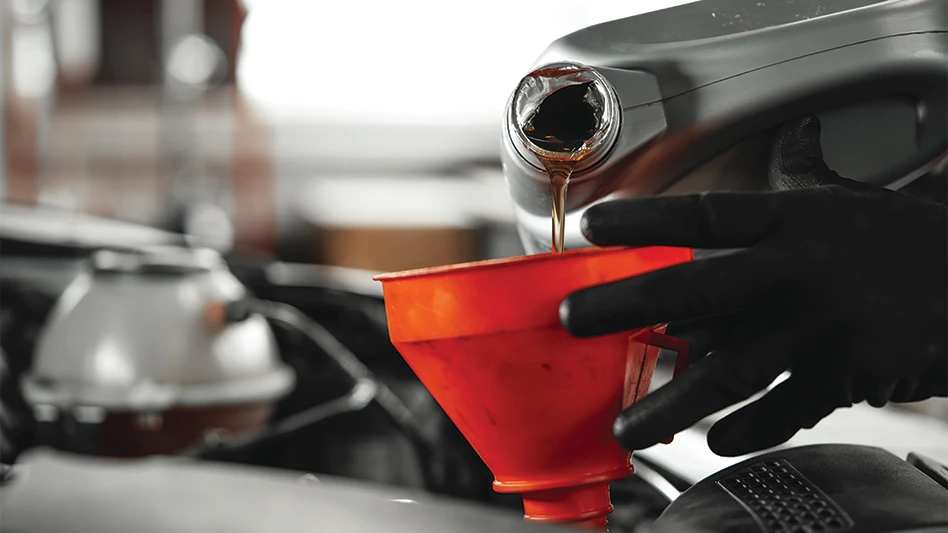
The Independent Lubricant Manufacturers Association (ILMA), Alexandria, Virginia, recently filed a lawsuit in Colorado state court challenging how the state is implementing its extended producer responsibility (EPR) law, also known as the Producer Responsibility Program for Statewide Recycling Act.
Commenting on behalf of its membership, the ILMA says EPR laws like Colorado’s are an “existential threat to the industry, with fees often exceeding profit margins.” The organization claims Colorado’s EPR fees are 56 cents per gallon for all packaged lubricants sold in the state, whether in plastic bottles or a bag-in-a-box format.
RELATED: Automotive lubricants EPR program approved in Colorado
“This lawsuit is the first major step in a holistic strategy to address the flaws in EPR legislation, which is rapidly creating a costly patchwork of state regulations that harms small businesses,” ILMA says.
Noting that EPR laws shift the cost of recycling packaging materials from local governments to companies that produce and sell those materials, ILMA CEO Holly Alfano says, “ILMA and its members support effective recycling programs and environmental stewardship. This lawsuit seeks to ensure that Colorado’s recycling system is implemented in ways that are transparent, lawful and fair to businesses of all sizes.”
ILMA says it is asking the court to declare that the state’s implementation of the program, which is set to take effect in June, is unlawful and prevent it from enforcing the program for ILMA members under its current structure. The association also wants the court to confirm that companies cannot be forced to participate in private recycling programs as they currently are designed.
“Without relief from the court, many companies will be required to pay potentially millions of dollars in fees to private entities without clear accountability or meaningful government oversight,” says ILMA President Jim Carroll, also of St. Louis-based lubricant producer Schaeffer Manufacturing Co.
The lawsuit alleges that Colorado has implemented the law in a way that violates both the law itself and basic constitutional protections. In ILMA’s view, it “unlawfully forces” many lubricant producers to pay fees to private organizations that are not accountable to the state government or to the companies required to participate.
ILMA claims the state has turned over key regulatory authority to two private organizations—the Lubricant Packaging Management Association (LPMA) and the Circular Action Alliance (CAA)—that are responsible for setting and collecting fees and running the recycling programs. ILMA adds that companies that sell covered products in the state must join these programs and pay fees to continue doing business in the state.
Additional concerns raised in the lawsuit include:
- Risk to smaller businesses: According to ILMA, many independent lubricant producers operate on narrow margins and may be forced to leave the Colorado market if the current system remains in place.
- Competitive concerns: ILMA claims one of the organizations is led by four large, multinational oil companies that compete directly with independent lubricant manufacturers.
- Mandatory contracts with private entities: ILMA claims companies must sign “take-it-or-leave-it” contracts with private organizations that control the recycling programs.
- Fees that are not tied to actual recycling costs: The fees being charged have no clear connection to the real cost of operating recycling programs in Colorado, ILMA says.
- Lack of transparency and oversight: The lawsuit claims the organizations setting the fees operated with limited government oversight and provide little visibility into how costs are calculated.
ILMA says its lawsuit also challenges a provision of the law that prohibits companies from clearly disclosing the costs of the recycling program to customers.
More from our latest newsletter
- Steel Dynamics foresees profitable Q1
- Tariff criticism directed toward steel industry
- Japanese alliance focuses on titanium recycling
- Nucor guidance points to profitable Q1
- Closed Loop report identifies opportunities to increase prescription pill bottle recycling
- Vinyl Institute launches enhanced recycling directory
- Plastic Energy, TotalEnergies start up chemical recycling plant near Paris