Photo courtesy of American Honda Motor Co. Inc.
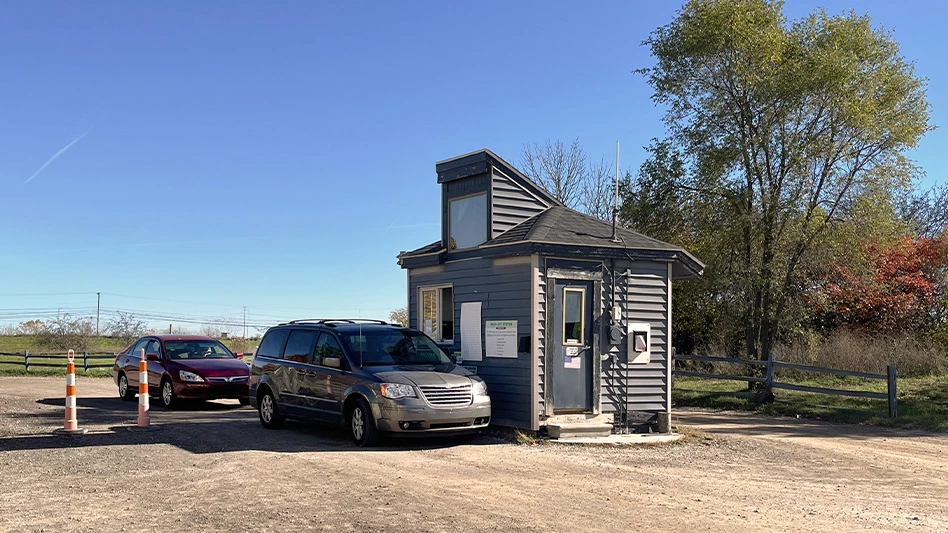
American Honda Motor Co. Inc., which has a considerable production and vehicle assembly presence in Ohio, says its Honda Resource Circularity Center in that state is extending the life cycle of its retired equipment, electronics and service vehicle service components.
The California-based business unit of the Japan-based conglomerate says the circular economy business model practiced at the center in East Liberty, Ohio, brings the recycling and repurposing of operational tools and production equipment in-house, helping reduce landfill waste.
Honda recently started up operations of the Resource Circularity Center, located near its existing factories in Easter Liberty and Marysville, Ohio, in the central part of the state.
The automaker says its activity in East Liberty goes beyond traditional manufacturing recycling programs that focus on direct materials such as scrap metal and plastics by focusing on recycling and repurposing tools, equipment and other items used in operations, including those that support vehicle production.
Items handled include tools such as torque wrenches and industrial robots to office chairs and vehicle service replacement parts such as aluminum wheels.
“A circular economy isn't just about recycling; it’s about how Honda can meet as many human needs as possible from a given resource, for as long as we can, until it can no longer serve a viable purpose,” says Matt Daniel, director of procurement sustainability at American Honda Motor Co. “The Honda Resource Circularity Center reimagines the current linear model of buying, producing and disposing into a circular value model that recaptures value and reduces waste at every turn."
Asset redeployment techniques undertaken by Honda in Ohio include external sale, donation and disassembly for raw materials recovery and recycling.
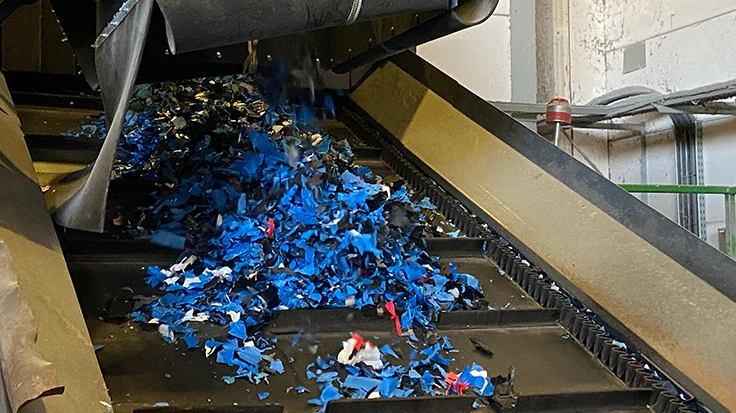
In one example, end-of-life vehicle parts are disassembled with the goal of reintegrating the recycled content through Honda's raw material stream to support a closed-loop system.
Honda also plans to explore additional opportunities including donating non-technical goods to not-for-profit groups and repurposing scrap leather from car seats into luggage tags.
The company says the future could involve expanding the Resource Circularity Center business model to open new ones near additional production facilities in North America.
As part of its effort, Honda is developing a “circular value chain” supply chain designed to connect material suppliers with recycling partners.
“The integrated ecosystem not only reduces waste but also enhances resource efficiency across the entire value stream,” the automaker says.
A video about the Honda Resource Circularity Center can be viewed on YouTube.
Latest from Recycling Today
- Nth Cycle signs offtake agreement with Trafigura
- WeSort.AI recovers critical raw materials from recycling plants
- ReMA provides economic impact report, industry update
- Collective Waste Solutions acquires Alcop Resource Recycling transfer station
- Volatility continues in nonferrous metals
- Neste chemical recycling plant is ready to scale up
- Indonesia’s nickel pig iron spigot reopens
- Ecore says study backs crumb rubber use on sports surfaces