Photo courtesy of the American Great Lakes Ports Association
The American Great Lakes Ports Association (AGLPA) has designated several of its member entities to form a partnership with the Great Lakes St. Lawrence Seaway Development Corp. (GLS) to undertake a market analysis aimed at expanding cargo movement between the Great Lakes and the inland waterways system.
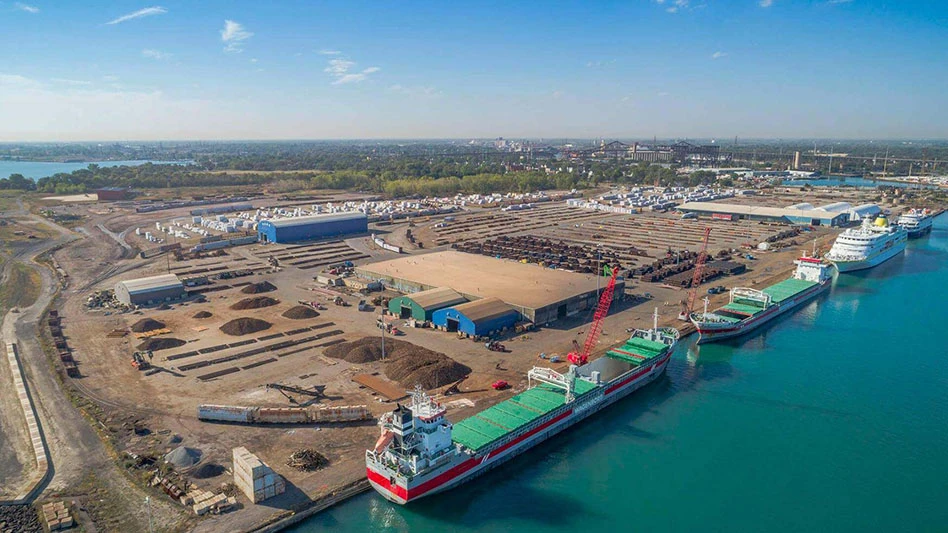
AGLPA members who will take part in the study include Ports of Indiana, the Illinois International Port District (IIPD) and Port Milwaukee. Ports of Indiana has been engaged in its own efforts to create opportunities involving bringing the Great Lakes and inland shipping systems together.
The inland waterways system is comprised of a barge shipping network that includes the Mississippi River and major tributaries such as the Missouri and Ohio Rivers, as well as channels along the East Coast, Gulf Coast and in the Pacific Northwest.
“Together, the Great Lakes and Inland Waterways move close to 700 million tons of cargo each year, supporting critical American industries including steelmaking, agriculture, energy, manufacturing and other cargo,” AGLPA says. “Despite being two of the world’s busiest inland shipping corridors, only a small percentage of cargo currently moves between the Great Lakes and inland rivers.
“The study will examine opportunities to increase waterborne commerce by leveraging this river–lake connection, evaluating market demand, identifying promising cargo flow, and exploring the infrastructure and operational needs required to support greater integration."
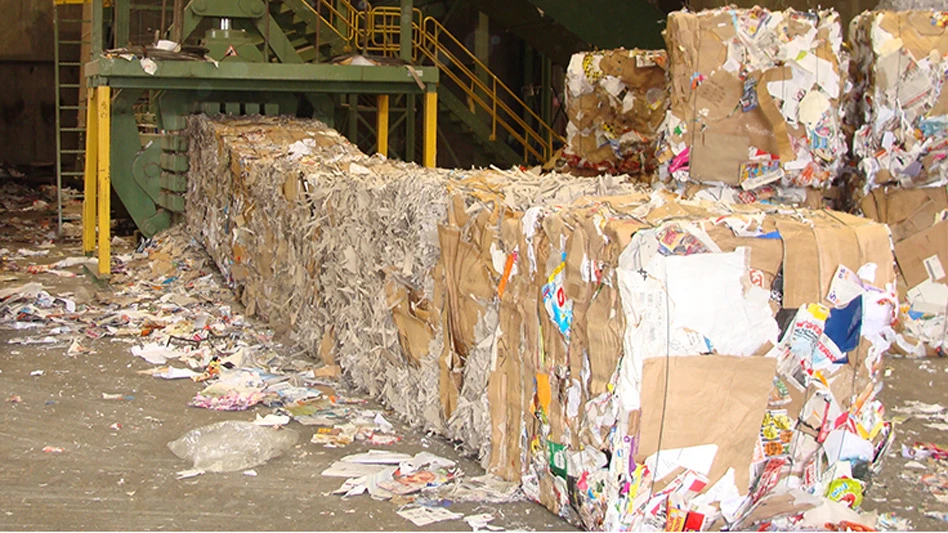
The Great Lakes and Midwest regions generate and consume significant amounts of recycled materials, including ferrous and nonferrous metals and old corrugated containers. Shipments of such materials moving beyond or being brought in from beyond that region typically move through West Coast, East Coast or Gulf Coast ports, with very little current Great Lakes involvement.
“For too long, the connection between the Great Lakes and the inland waterways has been an underutilized asset in America’s freight network," AGLPA President Paul C. LaMarre III says. "This study will help identify the cargoes, markets and infrastructure needed to make river–lake shipping more efficient and commercially viable.”
AGLPA and member ports taking part in the study say they are committed to a data-driven approach that strengthens maritime commerce and reinforces the region’s role in the nation’s supply chains.
The major Lake Michigan ports in Indiana, Illinois, and Wisconsin helping fund the study account for 65 percent of the economic activity related to U.S. Great Lakes shipping and handle millions of tons via river barge moving through the Chicago shipping canal and the Mississippi River system, according to the groups.
“We’re excited to join this unprecedented partnership to explore how we can better connect two of the busiest inland shipping corridors in the world,” Ports of Indiana CEO Jody Peacock says. “Maritime transportation can be further leveraged in the megaregion formed by Chicago, Milwaukee and northwest Indiana to improve freight transportation, lower emissions, reduce highway congestion and grow economies throughout the Great Lakes and inland waterways systems.”
Goals of the study include identifying opportunities to expand cargo movements between barges and lake vessels, assessing operational and infrastructure needs and outlining strategies to enhance the efficiency and viability of transloading operations.
“By improving the flow of goods—especially the exports that power the heartland—we’re not only boosting economic growth today but reinforcing our nation’s long-term competitiveness for generations to come,” GLS administrator Mike McCoshen says.
Latest from Recycling Today
- England's Environment Agency extension provides stability for metal shredding operators
- Schupan names new chief financial officer
- NAW looks ahead to July hearing in Oregon
- Recycle Coach partners with Bartec Municipal Technologies
- EPA proposes abandoned tire cleanup plan with focus on energy recovery
- BIR welcomes new policy officer for trade & environment
- Global Recycling Foundation recognizes Recycling Heroes
- Recycling Today Media Group launches Paper and Plastics Recycling Conference webinar series