Image courtesy of GCR
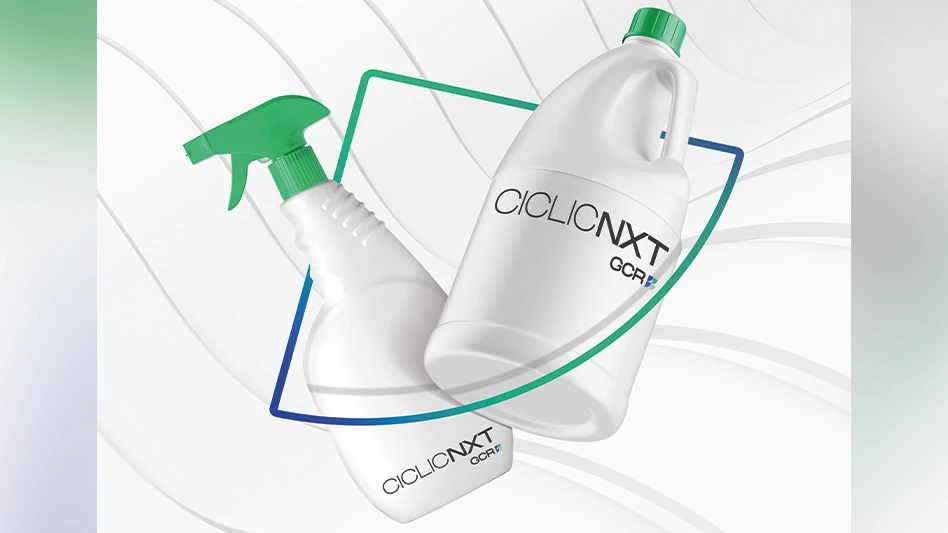
GCR, a mechanical plastics recycler and compounder based in Spain, has introduced a new line of certified postconsumer recycled (PCR) polyolefins, called Ciclicnxt, it says have been designed to meet the demands of industrial-scale production.
GCR says Ciclicnxt is backed by more than two decades of recycling expertise and specifically is designed for brand owners and “top tier” plastic converters seeking reliable, traceable and high-quality recycled materials. The company says Ciclicnxt has mechanical, thermal and processing properties comparable to virgin polymers and enables companies to accelerate their sustainability goals without tradeoffs in scale or technical specifications.
“In today’s uncertain market, where recyclers face both cost and sustainability pressures, GCR has made, and continues to make, strategic investments in high-quality, sustainable recycling,” says Sandra Fernandez Freixa, GCR’s marketing and sustainability director. “With the launch of Ciclicnxt, we’re reinforcing our commitment to delivering reliable, high-performance PCR materials that help our customers meet regulations and support a more sustainable planet.”
GCR says Ciclicnxt is produced at its mechanical recycling facility in Spain, a 100-million-euro (about $117.2 million) investment capable of processing 100,000 metric tons per year of postconsumer material, including 80,000 tons of rigid and 20,000 tons of flexible polyolefins. The company says the facility integrates “state-of-the-art” sorting, washing and compounding technology, low-energy processing and a closed-loop water purification system.
The company says it also benefits from a “robust and diversified sourcing supply,” which ensures consistency of input streams and uninterrupted production.
According to the company, every Ciclicnxt grade is developed and validated through GCR’s Innovation Hub, which houses more than 50 technical specialists dedicated to industrial-scale pilot line testing; advanced quality assurance and analytical testing; material innovation and application co-development; and real-world performance validation.
“This robust infrastructure ensures each batch meets tight tolerance requirements, making Ciclicnxt a reliable choice for technically demanding markets,” GCR says, adding that its recycling facility features advanced analytical tools, including gas chromatography systems that enable precise detection of volatile and nonvolatile organic compounds and other contaminants in recycled material streams.
GCR says Ciclicnxt supports a wide range of nonfood contact applications, including rigid and flexible packaging, personal care, household products, building materials and consumer goods, and is fully traceable, allowing converters and brand owners to integrate recycled content into their value chains with confidence.
Ciclicnxt has received a number of certifications, including ISO 9001:2015 and 14001:2015 for a certified quality management system and a certified environmental management system, respectively; PAS 2050:2011 for a certified product carbon footprint; International Sustainability and Carbon Certification (ISCC); RecyClass recycling process certification; and certification from Operation Clean Sweep (OCS) Europe.
“We are currently in the application process for food-grade approval,” GCR says. “While authorization is pending, we are submitting dossiers to both the FDA and EFSA. For EFSA, we are collaborating within several consortia, and we expect to submit our FDA application by the end of the year.
“GCR has established strong alliances with leading plastic processors, working closely to understand their needs and develop the most effective strategies for increasing recycled content in their applications.”
Latest from Recycling Today
- CEPI says recycling sector ready for ‘Made in Europe’ policy
- BCA system handles brass ammunition casings
- Nucor guidance points to profitable Q1
- Plastic Energy, TotalEnergies start up chemical recycling plant near Paris
- Sierra International Machinery adds to sales team
- How2Recycle appoints new director
- Cox Automotive celebrates EV battery recycling milestone
- ILMA files lawsuit challenging Colorado’s EPR law