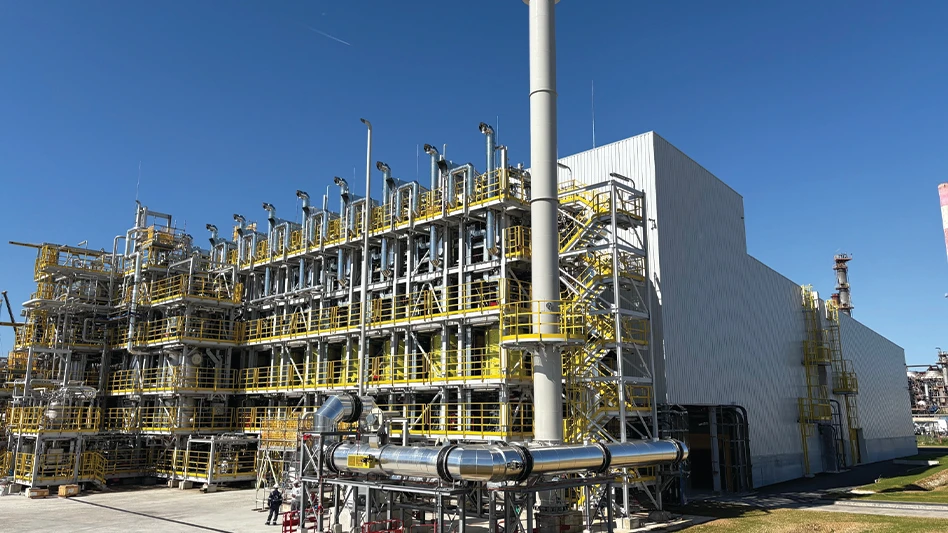
Atlantic States Cast Iron Pipe announced plans to introduce an emission control system. In doing this, the company claims that it makes Atlantic States the first foundry in North America to apply control technology to substantially limit mercury emissions.
Using the most sophisticated industry technology available, Atlantic States will go beyond compliance with current and anticipated air regulations. The emissions control system represents an investment in excess of $9.3 million and the company anticipates it will be made operational in the first quarter of next year.
The company reported that new technology contained in the system is anticipated to allow Atlantic States to surpass compliance with furnace emission limits required by standards set by the US Environmental Protection Agency under the federal Clean Air Act, and preemptively meet NJDEP mercury regulations far ahead of its compliance date of January 1, 2010.
"We take great pride in the fact that Atlantic States will be introducing a cupola emissions system that will set the standard for the industry and result in significant benefits to the environment," said Mitchell Kidd, vice president and GM of Atlantic States. "We are particularly proud of our efforts to reduce mercury in the environment through our efforts as an active member of the coalition that successfully pressed for the legislation enacted last month to require the removal of mercury switches from end-of-life vehicles used as scrap metal."
The introduction of this upgraded system is part of an agreement to resolve all outstanding liability with the NJDEP regarding air emissions and stormwater discharges. As part of the agreement, the company will fund an environmental project costing $85,000 to monitor mercury in the ambient air. The company will also evaluate the use of mercury Continuous Emissions Monitoring System technology, to assist in monitoring baghouse operations and emissions.
Atlantic States' advanced emissions system will provide the following benefits:
Significant reduction in mercury emissions and particulate matter emissions
Reduction in carbon monoxide emissions by 60%
Cost savings in natural gas and electricity consumption, and waste disposal
Elimination of the visible steam plume for the first time since 1856
Reduction in noise levels associated with daily operations
Improved safety and facility housekeeping
Enhanced performance of the water reuse treatment plant
Latest from Recycling Today
- England's Environment Agency extension provides stability for metal shredding operators
- Schupan names new chief financial officer
- NAW looks ahead to July hearing in Oregon
- Recycle Coach partners with Bartec Municipal Technologies
- EPA proposes abandoned tire cleanup plan with focus on energy recovery
- BIR welcomes new policy officer for trade & environment
- Global Recycling Foundation recognizes Recycling Heroes
- Recycling Today Media Group launches Paper and Plastics Recycling Conference webinar series