The nations of
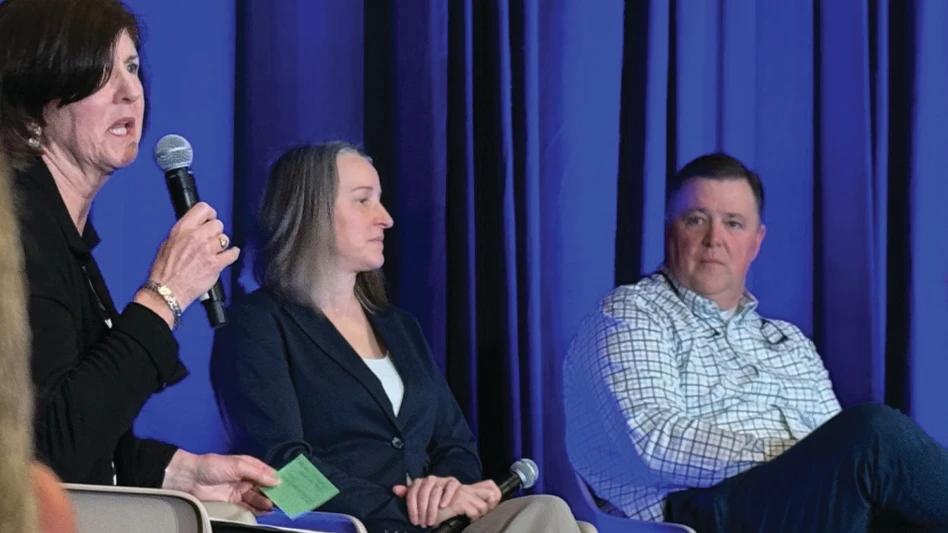
Speakers at the European Paper Recycling Conference, held in
By contrast, many of the Western European markets are “mature” with limited opportunities for increased tonnage.
Recycling company director Michael Kuehl of Rolf Kuehl Papierhandels GmbH,
Regulators in that nation are urging recyclers to concentrate on this last segment, notes Kuehl, who says the landfilling of paper in
The mandate is also beginning to change the nature of collection, with mixed or commingled collection becoming more common.
Esko Uutela, principal of EU Consulting of Starnberg, Germany, described the Benelux region as having “almost maxed out its collection,” and Spain as another nation that “has been doing very well in recent years” in terms of increasing its recovery rate.
While the European Union Packaging Directive has optimized collection in
His own forecasts predict that
Regarding
A nation that is almost certainly tapped out for collection is
The European Paper Recycling Conference, hosted by the Recycling Today Media Group, took place Sept. 25-26 at the Hotel Tryp Apolo in
Latest from Recycling Today
- Vecoplan to present modular solutions at IFAT 2026
- Terex Ecotec appoints Bradley Equipment as Texas distributor
- Greenwave raises revenue but loses money in Q2 2025
- Recycled steel prices hold steady
- EY says India’s need for scrap imports will continue
- Coming full circle
- Amcor, DCM introduce fertilizer packaging with 35 percent recycled content
- Comstock Metals gets closer to commissioning commercial-scale solar panel recycling facility