foxysgraphic | stock.adobe.com
The National Stewardship Action Council (NSAC), headquartered in Sacramento, California, and the Stewardship Action Foundation (SAF) have expanded their packaging extended producer responsibility (EPR) implementation working group nationally.
Additionally, NSAC, which is celebrating its10th anniversary, has released the circular economy policy guide, “Designing What Works: From Policy to Practice in America’s Circular Economy,” which it says offers practical guidance for policymakers and stakeholders.
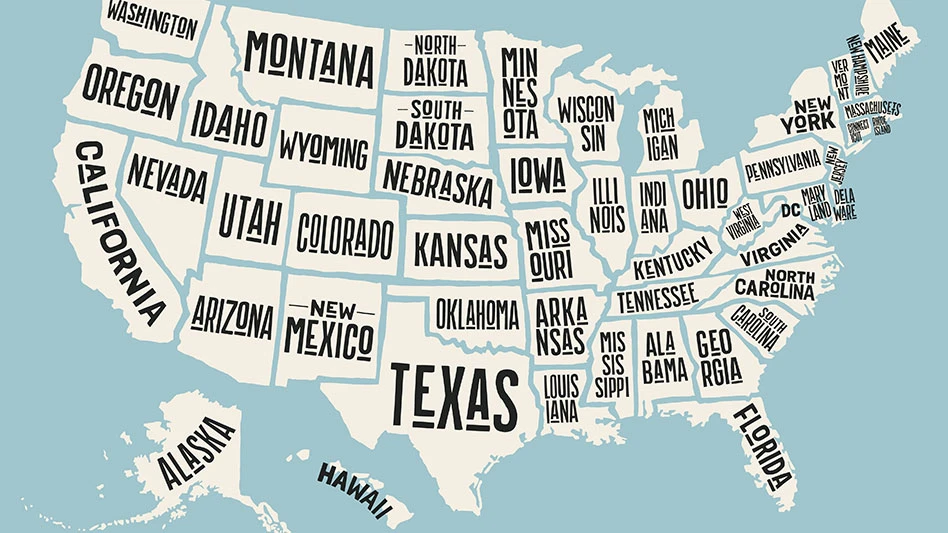
The national working group builds on California’s S.B. 54 Working Group, coordinated by NSAC, as Oregon, Colorado, Maine, Minnesota, Maryland, and Washington implement EPR. With more than 200 active participants representing 100-plus organizations from the public, private and nonprofit sectors, the working group has helped to advance implementation of California’s S.B. 54, which develops an extended producer responsibility (EPR) program for packaging. As part of the working group, members track regulatory developments in real time, surface risks early and build a shared understanding of what packaging EPR looks like in practice, NSAC says.
“From the introduction of S.B. 54 through its negotiation, passage, and rulemaking, we’ve been fully committed to advancing California’s EPR program with integrity and intent as California’s program will be the largest in the world when implemented,” NSAC and SAF Executive Director and CEO Heidi Sanborn says. “As more states advance and implement packaging EPR, interest-holders need guidance on how these systems work in the real world. This national expansion creates a space to learn across states in real time and improve outcomes that the environmental, economic and public-health benefits they were designed to achieve.”
Caroline DeLoach, director of sustainability at Atlantic Packaging and a participant in the now national working group, talks of the working group’s value based on her experience with S.B. 54. “This diverse group of stakeholders from across the supply chain, nonprofits, jurisdictions and more have closely watched and informed each milestone, including pressure-testing each draft of the regulations, to make sure that the rollout of S.B. 54 maintains the spirit and goals of the statute. I'm so grateful we've had this group to share ideas and opinions to make EPR work not only in California but in the other emerging states, too."
The NSAC’s new guide, “Designing What Works: From Policy to Practice in America’s Circular Economy,” reflects NSAC’s experience advancing circular economy polices across their full lifecycle from drafting and negotiation through rulemaking and implementation, offering guidance for policymakers and stakeholders, including policy design principles that prioritize public health and essential worker safety; lessons from stewardship programs across the U.S.; implementation considerations for markets, infrastructure, compliance and enforcement; strategies that strengthen domestic end markets and resilient supply chains; and tools for engaging stakeholders and sustaining progress over time.
The guide addresses policy areas such as packaging, deposit return systems, household hazardous waste, sharps/medical waste and textiles and carpet.
“Publishing this guide reflects our work to scale evidence-based policies and solutions that are rooted in on-the-ground experience and work,” says Heath Nettles, deputy director of NSAC and SAF. “Our national working groups are where the people shaping these systems get ahead of what’s coming, understanding what it means for them, surfacing risks early and preparing together before decisions are locked in.”
Through the S.B. 54 Working Group, CalRecycle has revised its proposed regulations, with particular focus on food and agricultural packaging, and has reopened a shortened public comment period on the updated draft, NSAC says. As outlined in its recent statement on the revised regulations, exclusions for food and agricultural packaging have been a key concern raised through formal comment letters and testimony and one that participants have continued to unpack in real time through the SB 54 Working Group.
“This is what it looks like to be in front of and collaboratively shape change, not chase it,” Nettles adds. “Our national working groups are where the people shaping these systems see what’s coming, understand what it means for them and influence how it unfolds before the rules are set and the doors close.”
Latest from Recycling Today
- CPM Crown to open European operations hub
- Mardi Gras sustainability initiative collects 14K pounds of recyclables
- Reju selects site for French textile recycling facility
- Hydro’s earnings decrease year over year
- Republic Services appoints Ian Craig to board of directors
- Phoenix Public Works Department proposes solid waste rate increases
- REalloys adds general to executive ranks
- LME takes sustainability premium step